
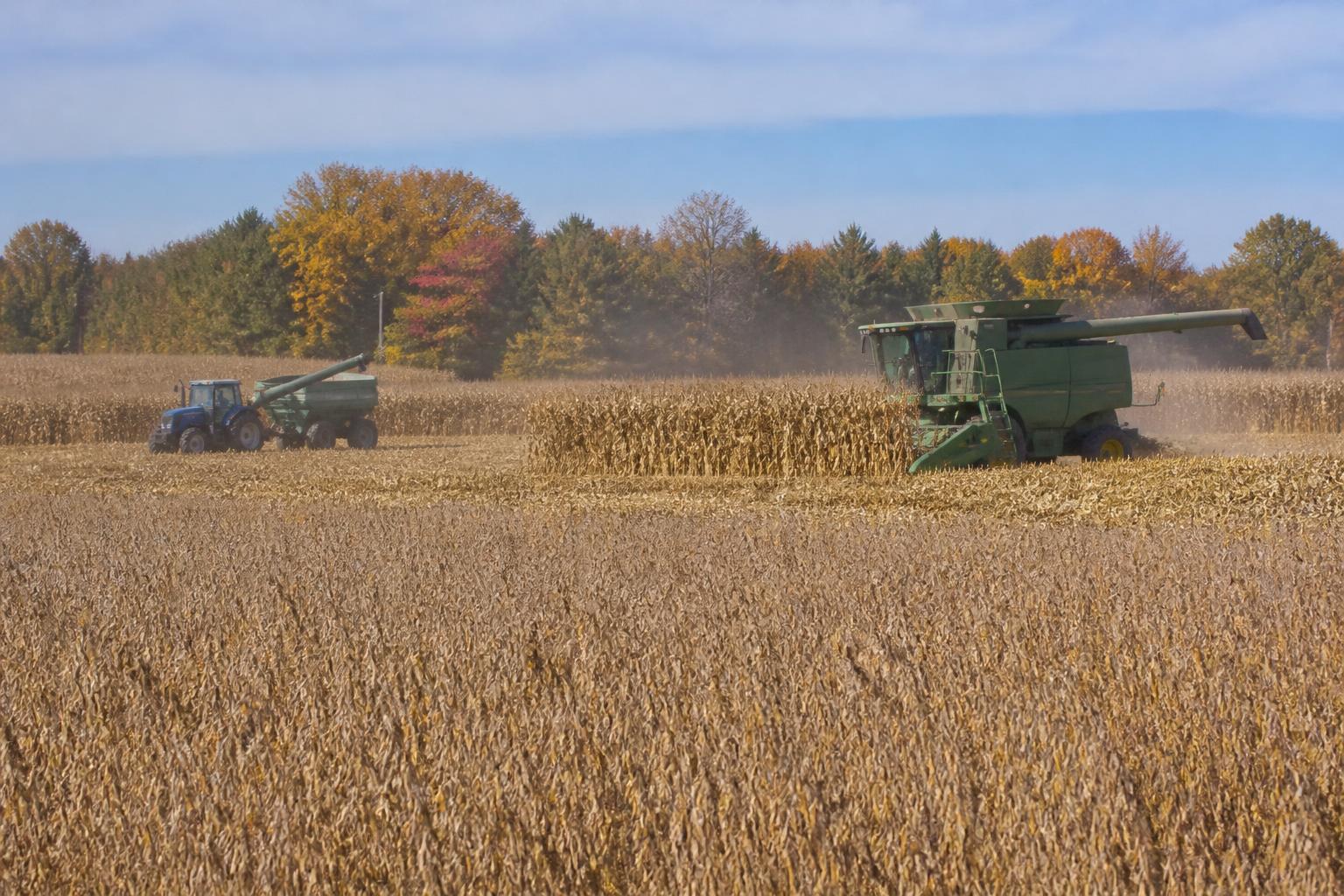
As Washington agriculture moves deeper into the fall harvest season, producers across the state are grappling with a volatile external environment. From the Palouse to the irrigated basins of Central Washington, the focus remains on navigating logistical hurdles and managing the financial strain of rising input costs. Growers are balancing these immediate field operations against a broader, less certain outlook for international trade and market access.
The current climate has prompted many in the industry to re-evaluate traditional export dependencies. As global market dynamics shift, Washington agribusinesses are increasingly attentive to how policy decisions in the nation's capital filter down to the farm gate. For those managing grain elevators or transport logistics, the priority remains maintaining efficient movement through the Pacific Northwest corridor despite these overarching economic pressures.
Trade Volatility and Market Access
International trade remains a primary concern for Washington producers. Recent developments in global trade relations have forced many to reconsider the reliability of historical markets. As noted in recent market discussions regarding grain logistics, the ability to pivot and identify alternative trade horizons is becoming a vital skill for regional operations. The reliance on singular export destinations is being scrutinized as producers look for more resilient supply chain structures.
Market uncertainty is compounded by the ongoing challenges related to cost management. Growers are not only watching commodity prices but also the bottom-line impact of expensive inputs. The current environment has intensified the need for efficiency, as mounting input expenses and logistical bottlenecks continue to test the profitability of harvest-season operations.
Regulatory and Operational Updates
Beyond the markets, regulatory oversight continues to shape the day-to-day realities for Washington farmers. New registration approvals for crop inputs aim to provide growers with additional tools, though integrating these into existing practices requires careful management. Additionally, state-level monitoring of seed quality and invasive species highlights the ongoing necessity for strict biosecurity and compliance measures, even as broader trade policies dominate headlines.
Ultimately, the agricultural sector in Washington is proving its resilience by focusing on what can be controlled locally. While global trade talks and tariff discussions may grab headlines, the immediate work of securing fair market access and managing operational overhead remains the core activity for the state's producers. Whether dealing with complex grain infrastructure or responding to new policy mandates, the focus remains on long-term sustainability.
What it means for the market
For Washington growers and agribusinesses, the coming months will likely be defined by a tactical shift toward market diversification. Producers are encouraged to maintain lean operating models and stay informed on shifting trade policy, as the influence of global shifts on local commodity movement remains high. Monitoring logistics costs and supply chain efficiencies will be essential as the industry closes out the 2026 harvest cycle.
Comments
No comments yet - be the first to share your take.