
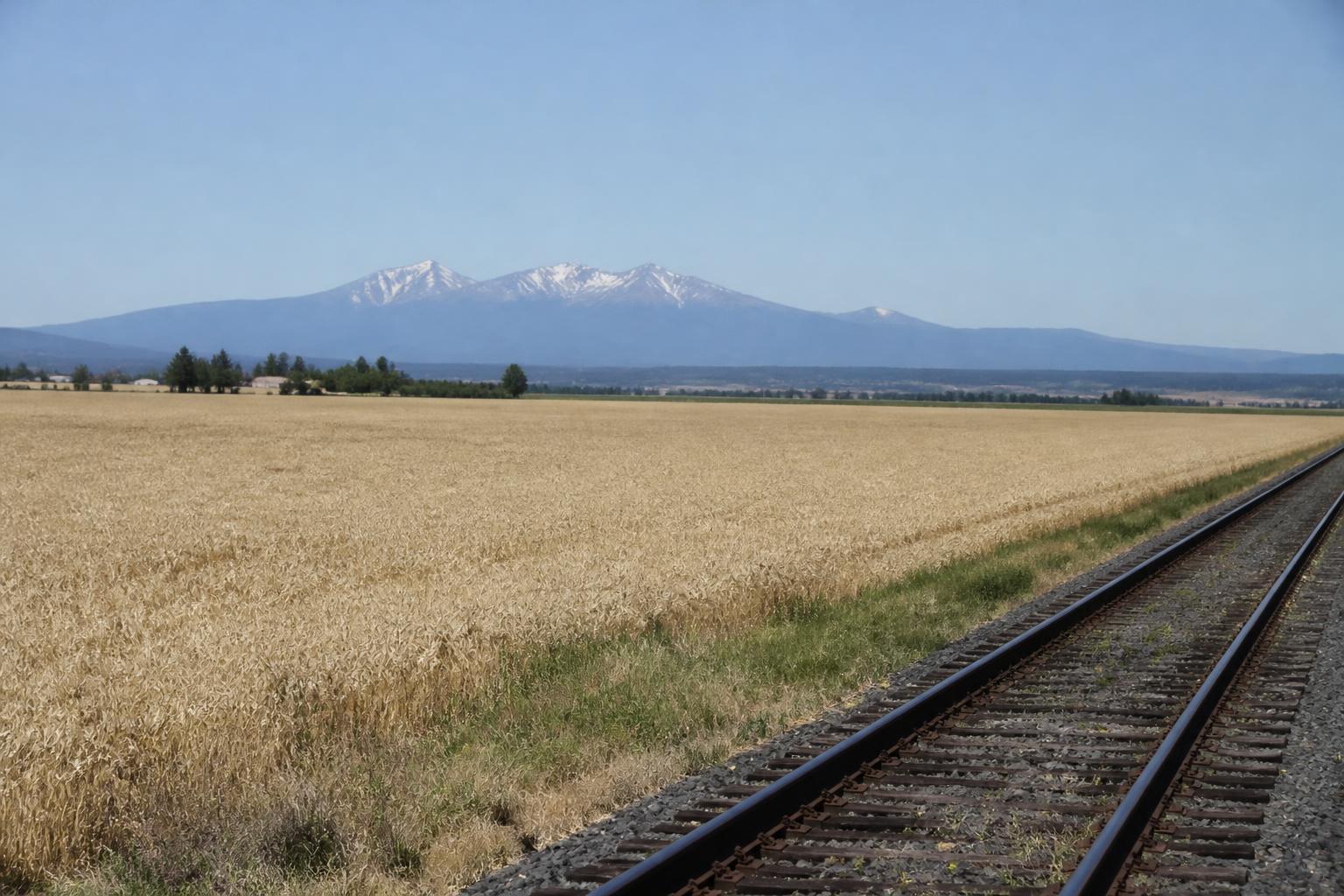
As the fall season progresses across Oregon, producers are focusing on balancing field preparation with the underlying financial and logistical realities of the state's agricultural infrastructure. With harvesting largely underway or wrapping up in many regions, the focus shifts toward protecting the next cycle and managing the risks inherent in the supply chain.
For many growers, securing the viability of future harvests remains a top priority. Recent discussions highlight how essential robust risk management tools are for Oregon farmers, particularly when facing the unpredictable nature of regional weather patterns and market fluctuations. Relying on strategic pest management and input planning is now considered a standard practice for maintaining yield potential in high-value Oregon crops.
Infrastructure and Logistical Bottlenecks
Beyond individual field management, broader concerns regarding infrastructure continue to surface. Farmers often note that the efficiency of transporting goods to market is as critical as the yield itself. While state-backed rail projects have been initiated to bolster export capabilities, their current underutilization remains a point of concern for agribusinesses reliant on steady, reliable transit routes to keep costs down.
Strengthening Agricultural Resilience
The role of industry commissions, such as the Oregon Wheat Commission, remains vital in connecting local producers to broader, often international, market channels. By maintaining clear lines of communication, these organizations help ensure that producers can adapt their management strategies to meet changing regulatory and market demands. Proactive monitoring of regional pest pressures continues to be a recurring theme for growers looking to optimize their input costs as winter approaches.
Key Takeaways for Producers
- Review crop insurance policies to ensure coverage aligns with current production costs and volatility.
- Monitor local and regional rail infrastructure updates, as idle projects may influence short-term logistical planning.
- Prioritize fall soil health and pest prevention to reduce reliance on intensive intervention during the spring.
What it means for the market: The current environment requires a dual focus on internal farm protection and external logistics. While producers may feel buffered by insurance tools, the sluggish pace of regional rail improvements suggests that growers should continue to diversify their transportation options to avoid bottlenecks during peak shipment periods.
Comments
No comments yet - be the first to share your take.