
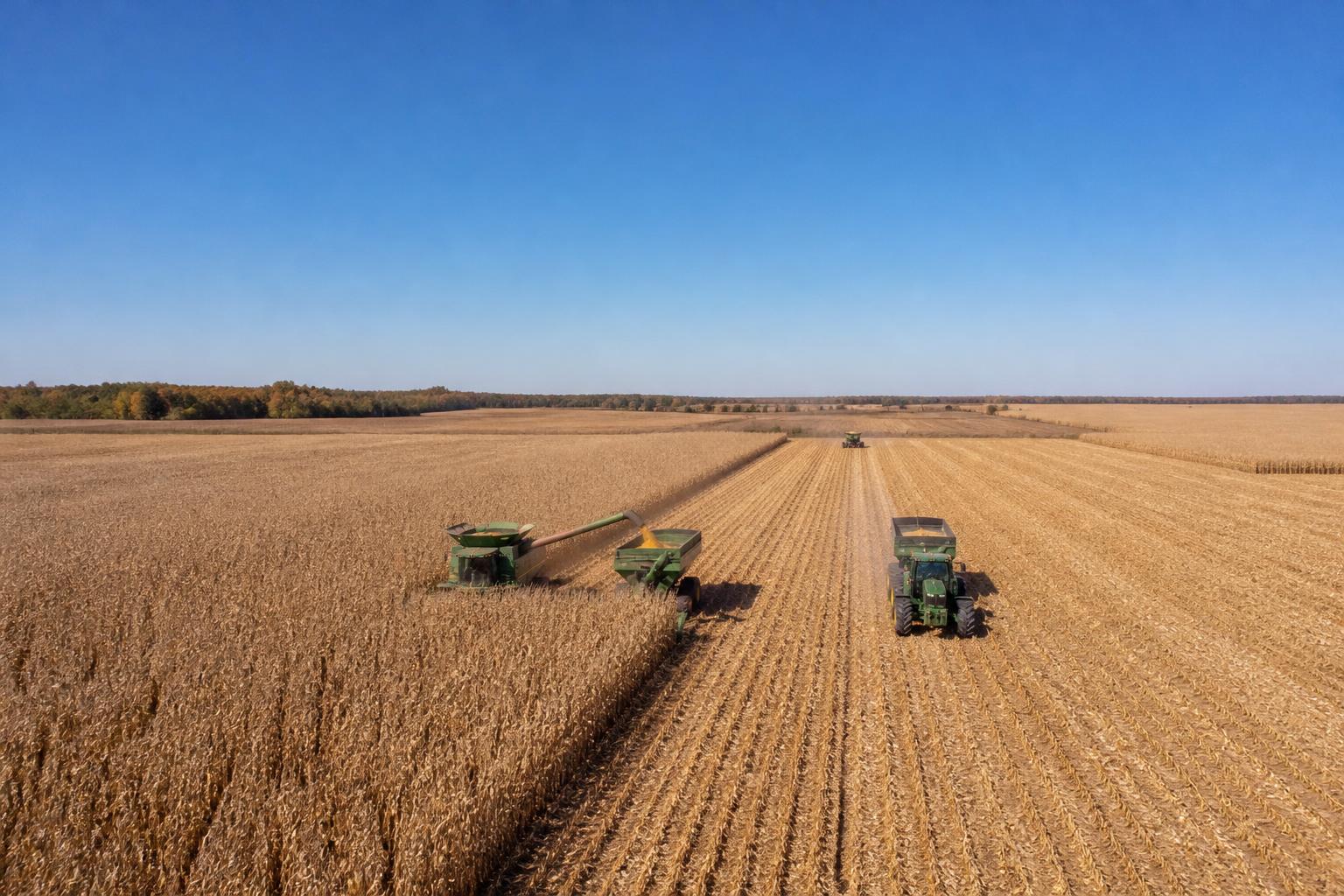
As the fall season progresses across Missouri, producers are navigating a critical stretch for harvest operations. With equipment moving through fields across the state, from the fertile river bottoms to the rolling hills of the Ozarks, efficiency remains a top priority. While the window for harvest can often be unpredictable, growers are keeping a close watch on soil conditions to maintain optimal equipment performance and prevent unnecessary field compaction.
Effective crop protection remains a significant part of the conversation this month. Late-season moisture can influence weed pressure, potentially complicating the transition to post-harvest management. Many local operations are evaluating their current inventory of inputs to address these concerns while managing the logistical requirements of hauling grain to elevators and regional storage facilities.
Managing On-Farm Efficiency
For many agribusinesses in Missouri, the current period requires careful coordination between field teams and transport logistics. As harvest volume increases, pressure on local infrastructure often intensifies. Operators may find that prioritizing early-season scouting for residue management can help streamline preparations for next year's crop cycle. Staying proactive regarding equipment maintenance and potential transport bottlenecks helps keep grain moving steadily toward its destination.
Sustainability and Long-Term Planning
Beyond the immediate demands of the harvest, there is a continued interest in conservation practices that support both water quality and overall farm profitability. Incorporating voluntary land management strategies has become a common theme for many Missouri producers aiming to improve field resiliency. By aligning these practices with current protection goals, farmers are looking for ways to maximize yield potential while safeguarding their soil resources for future seasons.
What it means for the market
For grain handlers and agribusinesses, the current environment underscores the importance of flexibility. As harvest progresses, market participants are encouraged to stay informed on regional transport updates and input supply chains. Efficient movement of grain and proactive management of potential field issues will be key to navigating the remainder of the season successfully.
Comments
No comments yet - be the first to share your take.