
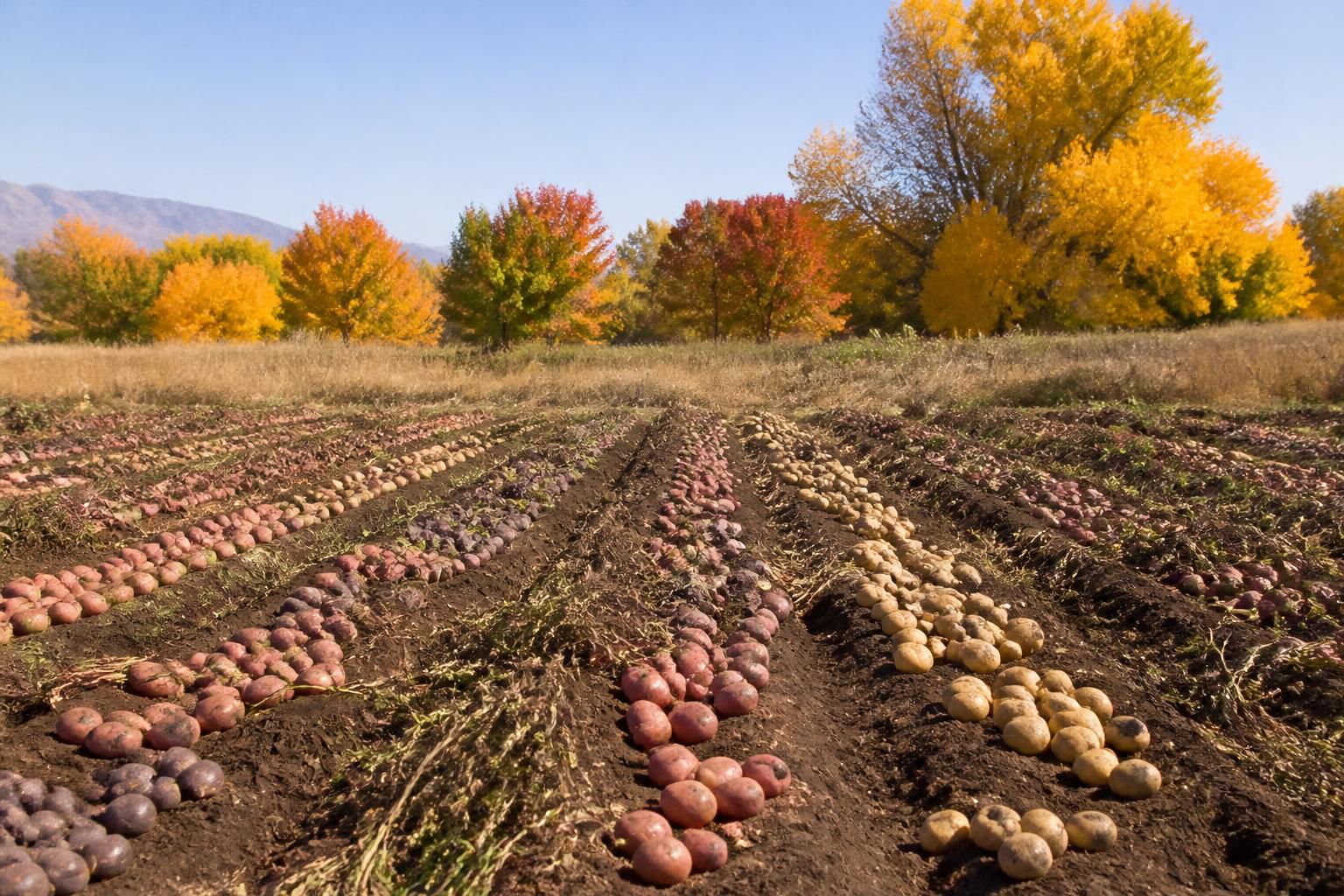
Protecting Yield Potential Amidst Fall Transitions
As the Montana harvest season moves toward its final stages, the focus for many producers in regions like Gallatin and Rosebud counties shifts from immediate logistics to protecting the long-term viability of their acreage. Effective fall field management is critical for mitigating the survival of overwintering pests, such as the wheat stem sawfly, which can present significant challenges to future rotations. Proactive scouting and targeted cleanup efforts remain the best defense for safeguarding your investment during these cooler, shorter days.
Extending Education and Field Expertise
The complexity of modern pest management requires a constant flow of information and expert guidance. Montana State University Extension has been instrumental in bridging the gap between research and practical application, recently coordinating regional tours across eastern Montana to discuss evolving threats and containment strategies. Engaging with these local resources allows agribusinesses and growers to stay ahead of regional trends rather than merely reacting to them.
Resource Management and Economic Resilience
The broader agricultural picture in Montana is often influenced by external market shifts and the necessity of internal resource stability. Whether it is addressing supply chain fluctuations or ensuring that water rights and land management remain secure, the decisions made today provide a foundation for next year's inputs. Staying informed on managing pest risks as fall work progresses ensures that your operation is not caught off guard by changing environmental or economic conditions.
What it means for the market
For producers and grain handlers, the current environment emphasizes the importance of risk management. By prioritizing field sanitation and staying closely aligned with regional extension expertise, you help ensure that your inventory remains high-quality and market-ready. As you wrap up fall operations, maintaining these protective measures is essential to maintaining the competitive edge necessary in both domestic and international markets.
Comments
No comments yet - be the first to share your take.