
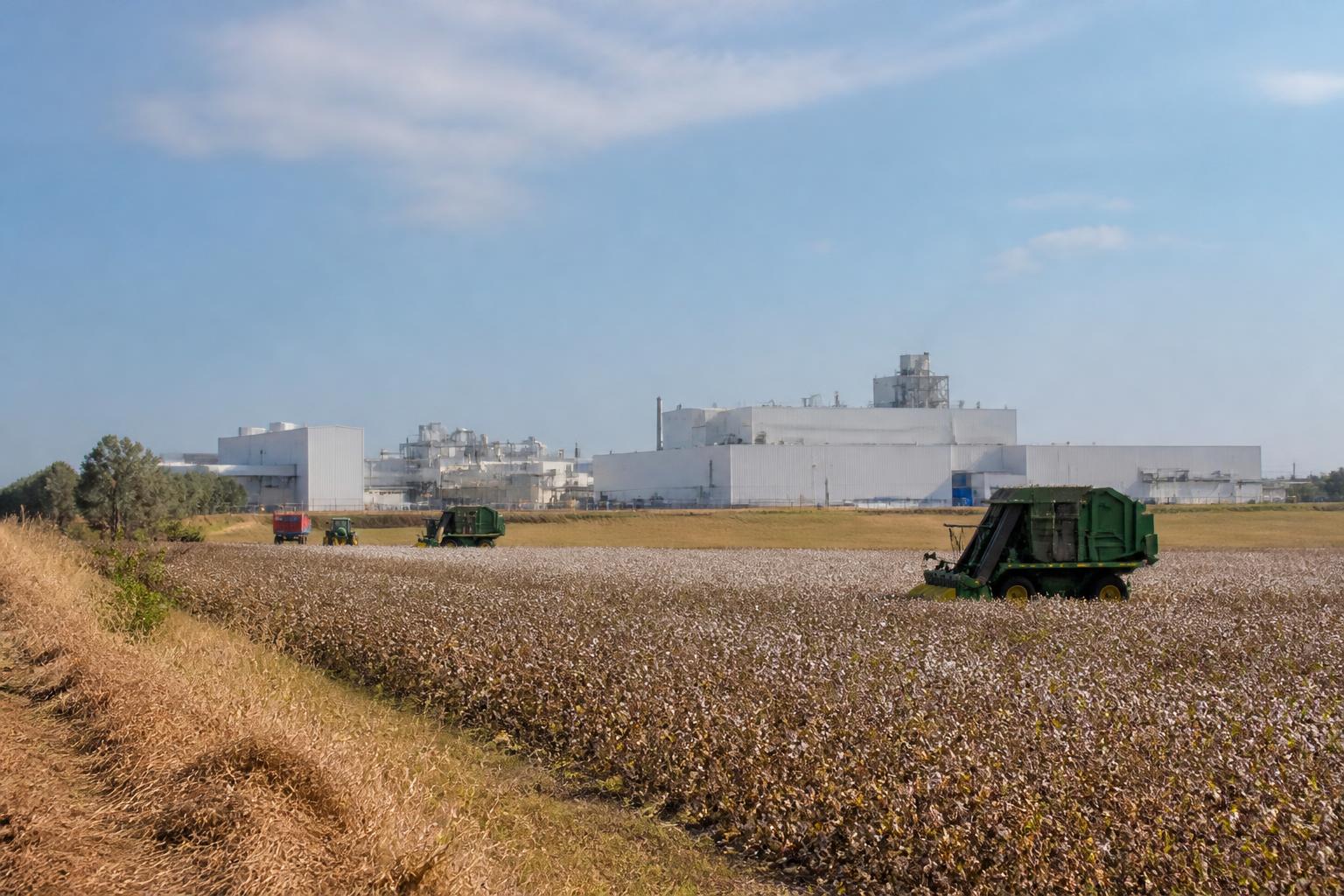
As South Carolina producers navigate the heart of the fall season, the integration of new field technologies continues to shape on-farm management strategies. From the Pee Dee region to the coastal plains, farmers are increasingly looking toward advanced biologicals and precision tools to optimize soil health and maximize yield potential. Recent industry expansion, including the establishment of state-of-the-art biologicals facilities in the region, signals a growing emphasis on sustainable farming solutions that may help growers address shifting agronomic pressures.
For many agribusinesses and operators, the shift toward these high-tech applications represents a balancing act. While digital tools and precision hardware offer significant gains in operational efficiency, they often introduce complex data management challenges. Producers who are looking to stay ahead may find value in local infrastructure and logistics planning to ensure that inputs reach fields without delay, especially as regional traffic patterns intensify during the height of the harvest.
Refining Input Strategies
Beyond traditional chemical applications, there is heightened interest in nitrogen-enhanced efficiency fertilizers. These tools are being closely monitored for their potential to reduce overall input costs while maintaining environmental stewardship. As the industry considers broader policy impacts, such as potential adjustments to trade tariffs on essential components like potash, local handlers and input buyers are keeping a close watch on market stability.
Educational resources remain a vital component of this transition. Field days at regional research centers continue to serve as a hub for information, allowing growers to compare trial results for new products, such as updated fungicides for cereal crops. Engaging with these findings can provide a clearer picture of how new chemistry or biological boosters perform under typical South Carolina growing conditions.
Logistics and Resource Management
As the fall harvest progresses, managing the flow of commodities remains as critical as crop protection. Producers are encouraged to maintain lean supply chain links to avoid bottlenecks at elevators and shipping points. Coordination between carriers and grain storage operators is essential, particularly when handling regional output that must move efficiently through busy highway corridors.
For those looking to optimize their grain market performance, understanding the interplay between input availability and transport capacity is key. Staying informed on localized infrastructure constraints helps in planning the movement of goods, ensuring that protective treatments and harvested crops remain on schedule despite seasonal volume spikes.
What it means for the market: For the South Carolina agricultural sector, the current focus is on building resiliency through technology and smarter resource allocation. By leveraging localized research and streamlining logistical workflows, producers can better manage the volatility inherent in both global input markets and regional supply chains, ultimately securing a more stable bottom line as the season draws to a close.
Comments
No comments yet - be the first to share your take.