
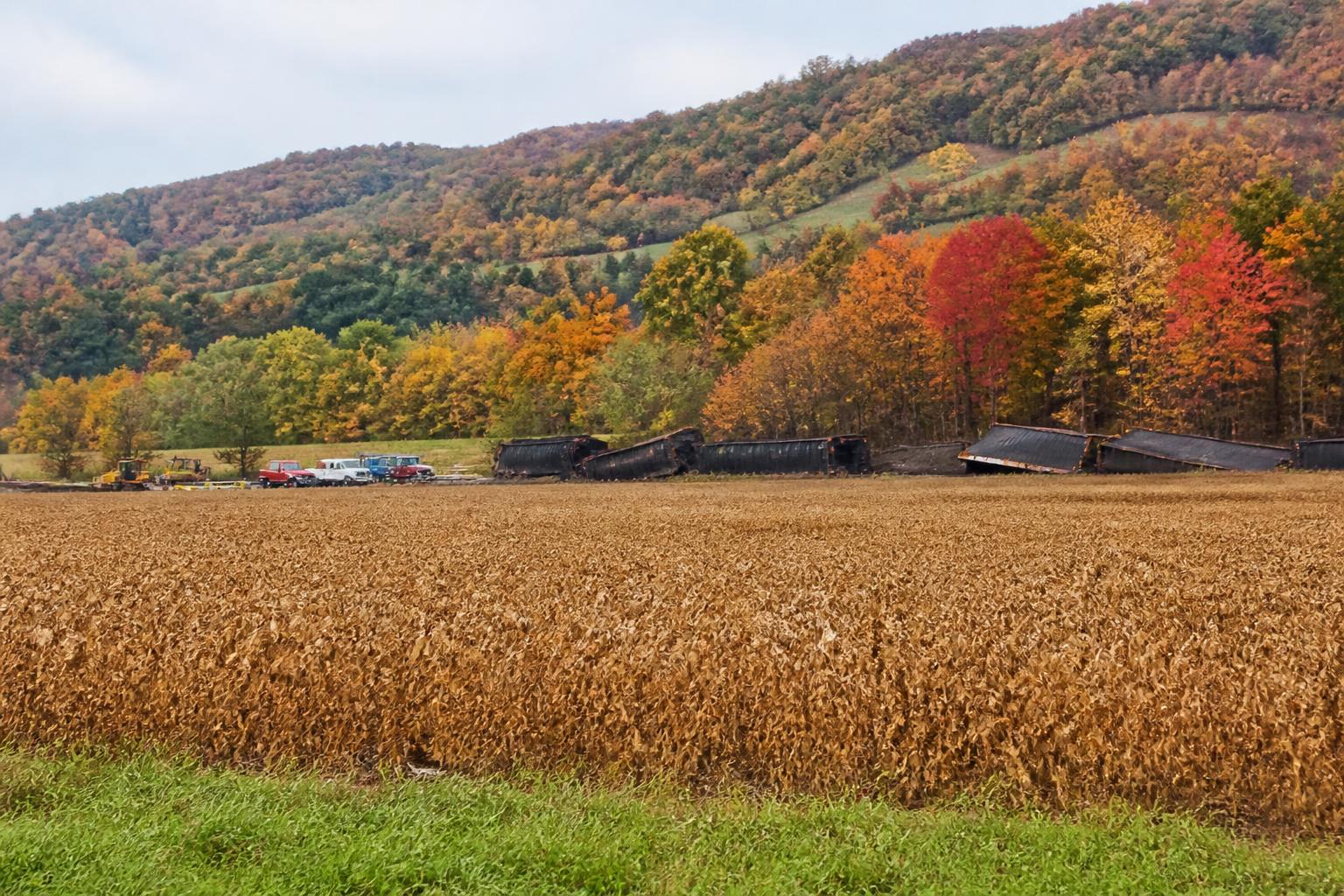
As harvest activity accelerates across West Virginia, agricultural transporters are reminded to maintain flexibility in their logistics planning. The state's rugged terrain often necessitates reliance on specific transit corridors where unexpected disruptions can significantly impact the movement of grain and other critical supplies from farm to market.
Recent incidents, such as rail accidents near the state line, serve as a stark reminder of the volatility inherent in regional transport infrastructure. When rail capacity is compromised, the burden often shifts to local roadway networks, increasing traffic density on secondary routes that may already be burdened by seasonal hauling demands. For those managing farm infrastructure risks, staying informed on localized transit status is essential for maintaining operational continuity.
Managing Transit and Infrastructure Exposure
Effective farm infrastructure management begins with acknowledging that West Virginia’s unique geography can lead to sudden route closures. Whether caused by natural factors like rockslides or unforeseen logistics bottlenecks, producers should regularly verify road conditions on primary hauling routes. Operators who prioritize resilience in field access often find that maintaining secondary staging areas or pre-planned detours helps mitigate the costs associated with extended transit delays.
Furthermore, as regional traffic patterns fluctuate during the peak harvest, keeping communication lines open with carriers and local elevators is vital. Monitoring local reporting for infrastructure updates remains a critical component of proactive land and access oversight, particularly as state agencies continue to manage various right-of-way and facility transitions.
What it means for the market
For West Virginia agribusinesses, the primary takeaway is to build operational slack into the fall supply chain. While regional disruptions are often localized, their cumulative effect on delivery windows can erode margins if alternative routes are not identified early. By focusing on site-specific contingency planning and maintaining transparent communication with downstream partners, producers can better insulate their bottom lines against the unpredictable nature of regional transport.
Comments
No comments yet - be the first to share your take.