
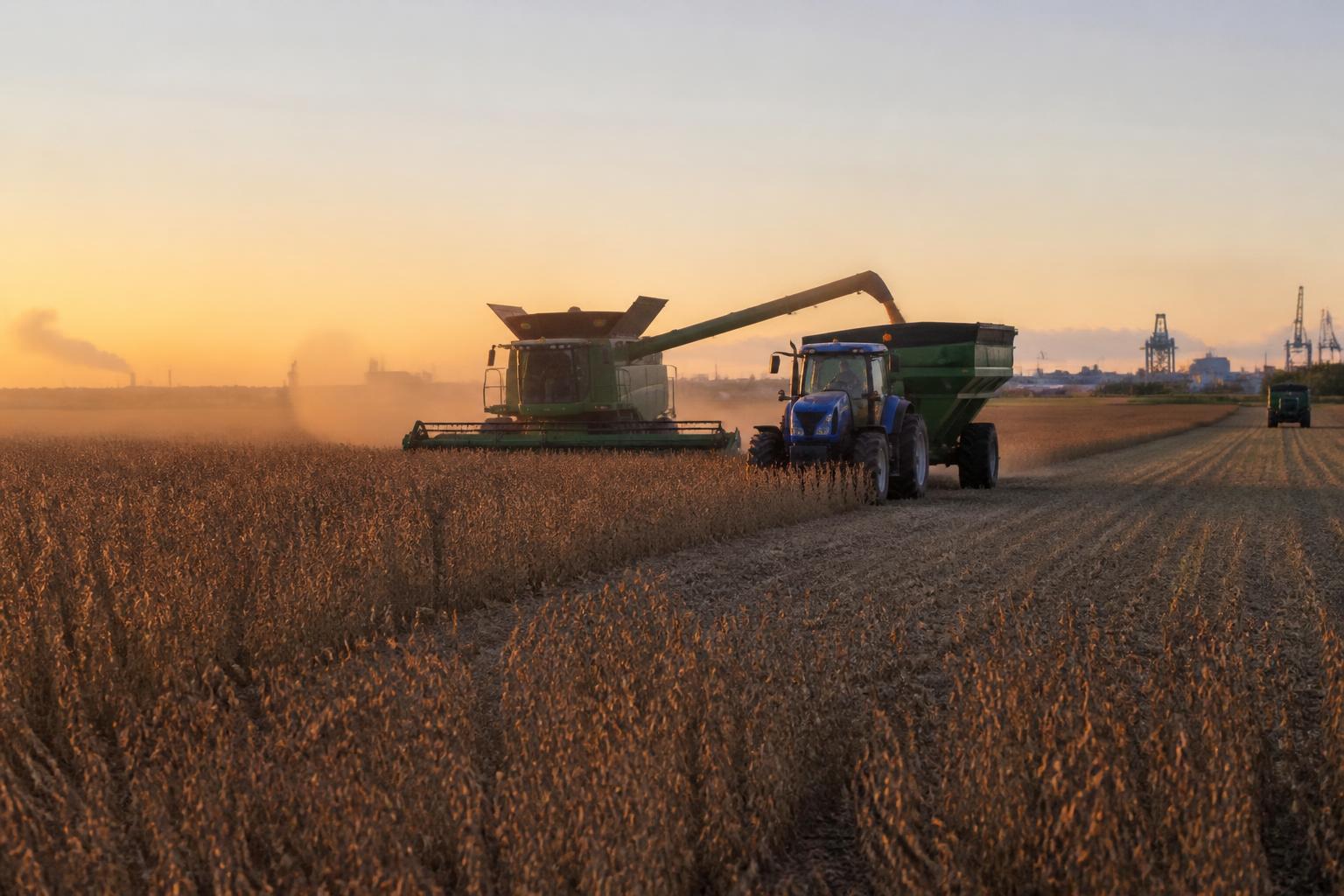
As the fall harvest season hits its stride across Georgia, producers and agribusiness operators are navigating a shifting landscape in regional logistics. Recent developments in localized infrastructure and equipment handling capacity are providing new touchpoints for grain and commodity movement. Understanding these logistics and supply chain resilience factors remains critical for those looking to maximize efficiency during the peak delivery window.
For many farmers throughout the state, the ability to manage rapid turnarounds at elevators and ports is often dictated by the efficiency of nearby rail and heavy equipment support. The integration of specialized processing facilities into regional hubs helps alleviate traditional bottlenecks that can occur when field activities align with heavy seasonal traffic. Maintaining a pulse on these shifts in supply chain infrastructure is essential for coordinating transport fleets as volumes climb.
Adapting to Localized Handling Pressures
The state's agricultural backbone, ranging from the southern peanut belts to the northern grain fields, relies heavily on consistent throughput. As harvest progresses, localized congestion can fluctuate based on the proximity of primary transport routes to processing centers. Operators who lean into real-time tracking of facility capacity—and the regional transit patterns that feed them—are typically better positioned to avoid downtime.
Strategic Planning for Late-Season Movement
With fall weather patterns potentially influencing road conditions, keeping machinery and transport equipment in top condition is a baseline expectation. Efficient movement now often requires proactive communication with regional handlers to ensure that load-out schedules align with available storage and processing windows. The goal remains consistent: minimizing idle time for trucks and equipment while balancing the influx of new-crop supply.
What it means for the market
For Georgia growers and handlers, the current logistics environment suggests that localized operational agility is more valuable than ever. By leveraging updated handling infrastructure and maintaining flexible scheduling, agribusinesses can better navigate the peak seasonal demand, ultimately protecting margins during a critical time for statewide agricultural output.
Comments
No comments yet - be the first to share your take.