
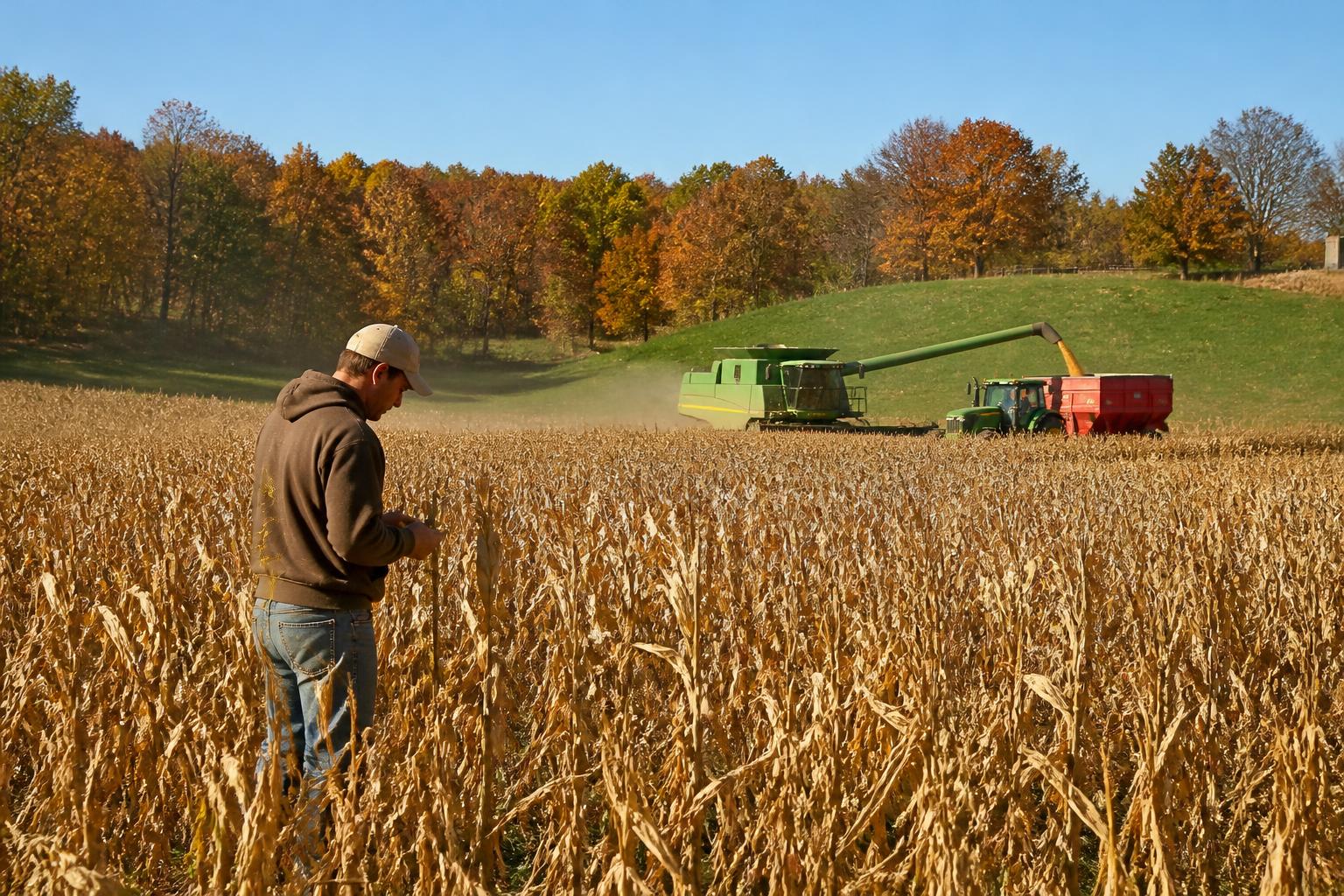
October brings a familiar, high-tempo rhythm to Kentucky's agricultural corridors. As harvest operations move into full swing, the focus for grain handlers and transport providers is on maintaining efficiency while navigating a shifting landscape. With harvest momentum building, regional infrastructure is being tested by the surge in movement from field to elevator.
For those managing the flow of commodities, attention to navigating Kentucky's logistics remains a priority. The interplay between local grain movement and larger industry shifts highlights the importance of prepared, responsive supply chains. From producers in LaRue County to the broader regional networks, the goal remains minimizing downtime during this critical fall window.
Aligning Infrastructure with Harvest Realities
As operations continue to scale, the industry is seeing a renewed focus on regional storage and handling capabilities. Staying ahead of potential bottlenecks is essential, particularly as state-wide activity increases. Many operations are leaning on established regional partnerships to ensure that harvest capacity aligns with throughput requirements, avoiding common seasonal delays. For insights into how these pressures affect grain movement, refer to recent analysis on logistics transitions.
Adapting to a Changing Ag Environment
Beyond the immediate demands of the field, Kentucky agriculture is witnessing structural shifts that may influence future logistics planning. With new leadership taking the helm at major ag-input providers and developments in localized infrastructure projects, the scope of what farmers and agribusinesses need to monitor is widening. These changes often ripple through the supply chain, impacting everything from input delivery timing to the long-term planning of grain handling facilities.
For producers looking to streamline operations this season, understanding the broader regional context is key. Effective coordination during this peak period, as outlined in reports on managing harvest momentum, continues to be a defining factor for success in the Kentucky market.
What it means for the market
The current market landscape is characterized by the dual pressure of peak seasonal activity and organizational change. For carriers and grain handlers, the ability to maintain steady throughput while adapting to regional developments will likely distinguish operational efficiency through the remainder of the fall season. Producers should keep a close watch on local facility updates and transit bottlenecks to optimize their harvest plans.
Comments
No comments yet - be the first to share your take.