
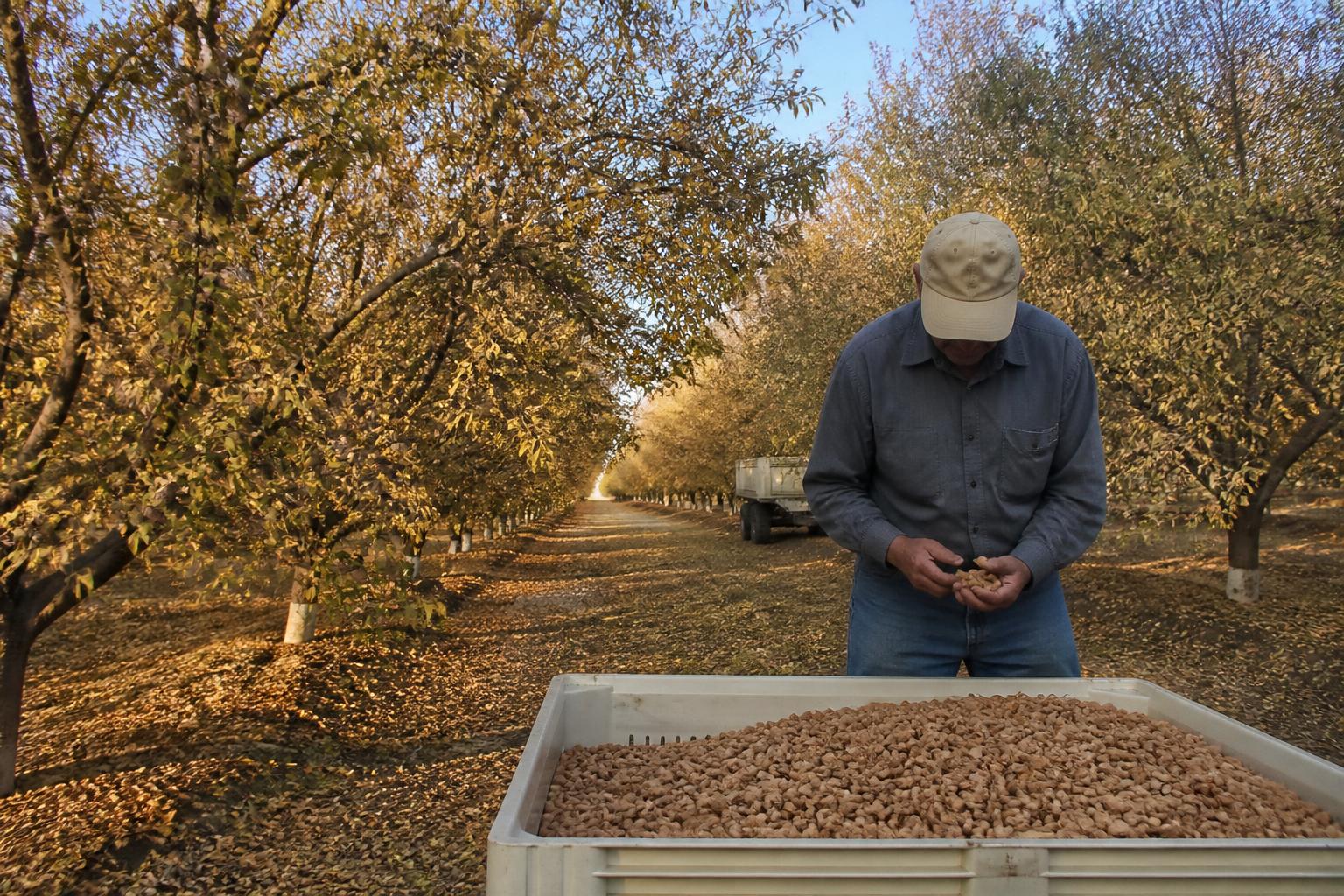
California's agricultural sector is currently processing a new landscape of federal assistance and operational challenges. With the USDA recently opening applications for expanded specialty crop assistance, many growers across the Central Valley and coastal regions are evaluating their eligibility for aid to offset ongoing economic headwinds. These relief efforts come at a critical time as producers weigh the cumulative impact of trade uncertainty and fluctuating market conditions on their bottom lines.
Managing Operational and Biological Threats
Beyond the financial outlook, operational realities on the ground are shifting rapidly. Producers are contending with the emergence of new pests in critical nut crops like almonds and pistachios, requiring heightened vigilance and integrated pest management strategies. Furthermore, the regulatory environment continues to evolve; recent updates to state-level restrictions on non-agricultural use of neonicotinoid pesticides have prompted many agribusinesses to refine their compliance and application protocols.
For those managing organic operations, the pressure is equally distinct. New, focused guidance on mitigating the impacts of burrowing rodents underscores the need for localized, environmentally compliant solutions. As California growers navigate evolving operational pressures this fall, access to verified management techniques is becoming as valuable as access to capital.
Logistical and Structural Considerations
While federal agencies work to provide relief through conservation grants and expanded crop insurance, the structural pressures on California's supply chain remain a topic of intense discussion. Farmers are urged to monitor how proposed legislative changes and shifting agricultural trade policies may affect future cost structures. From Central Valley packing houses to coastal export terminals, the margin for error remains thin, making proactive planning essential.
What it means for the market
For grain handlers, input buyers, and carriers, these developments point to a tightening of operational margins. Growers are likely to prioritize investments that offer both regulatory compliance and long-term biological resilience. Market participants should anticipate continued scrutiny of federal aid distribution and a sustained focus on risk management tools that can accommodate the specific, high-stakes nature of California’s specialty crop production.
Comments
No comments yet - be the first to share your take.