
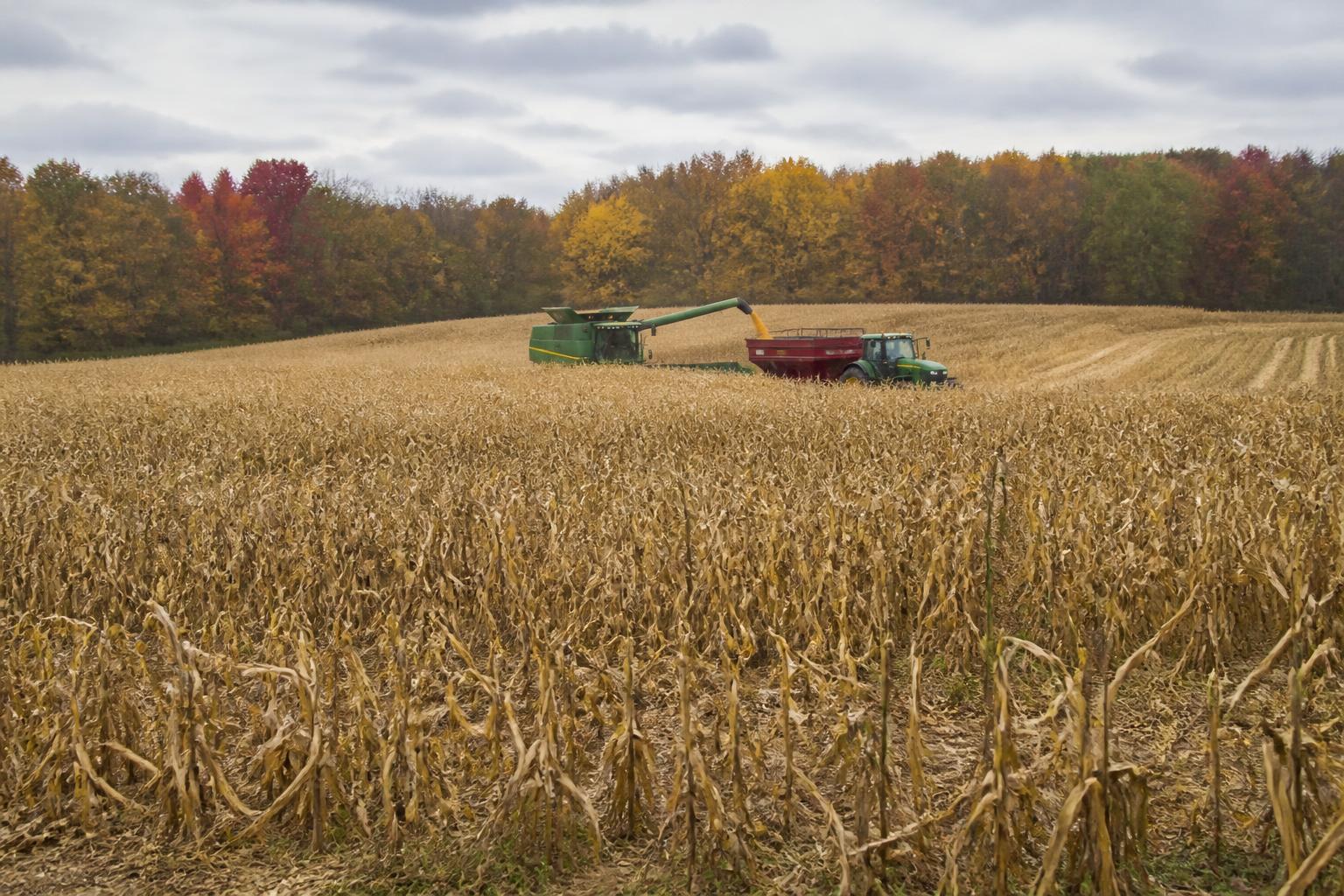
Wisconsin livestock producers are entering the heart of the fall season with a heightened focus on biosecurity. Recent reports of highly pathogenic avian influenza impacting poultry operations in the northwestern part of the state have prompted many farmers to review their site access and sanitation protocols. For poultry and mixed-operation farms, maintaining rigorous oversight of incoming traffic and wildlife deterrents remains a primary operational hurdle during the busy autumn months.
Adapting to Seasonal Disease Pressures
The fall transition often introduces unique environmental stressors that can exacerbate health risks across the livestock sector. Producers are typically advised to evaluate their current fertilizer application schedules and waste management plans to ensure that field-to-facility transit does not inadvertently introduce pathogens. In some regions, increased movement of machinery and harvest crews between sites necessitates stricter entry logs and disinfection stations to mitigate potential exposure risks.
Integrating Technology for Farm Management
Beyond immediate health concerns, the broader Wisconsin agricultural landscape is seeing a push toward smarter monitoring. As the industry looks to stabilize market performance—often discussed alongside shifting grain market dynamics—many producers are exploring digital tracking solutions. While some of these tools are used for utility management, the expansion of low-power wide-area network (LoRaWAN) devices suggests a growing capacity for remote monitoring, which may soon play a role in automating inventory and biosecurity surveillance for larger, spread-out farming operations.
What it means for the market
For agribusinesses and carriers operating in Wisconsin, the current environment demands extra vigilance regarding sanitary compliance. While harvest logistics continue to dictate the pace of trade, supply chain participants should anticipate potential slowdowns at sites implementing enhanced screening. Staying current on state-level agricultural guidance remains a practical necessity for maintaining smooth operations throughout the remainder of the harvest season.
Comments
No comments yet - be the first to share your take.