
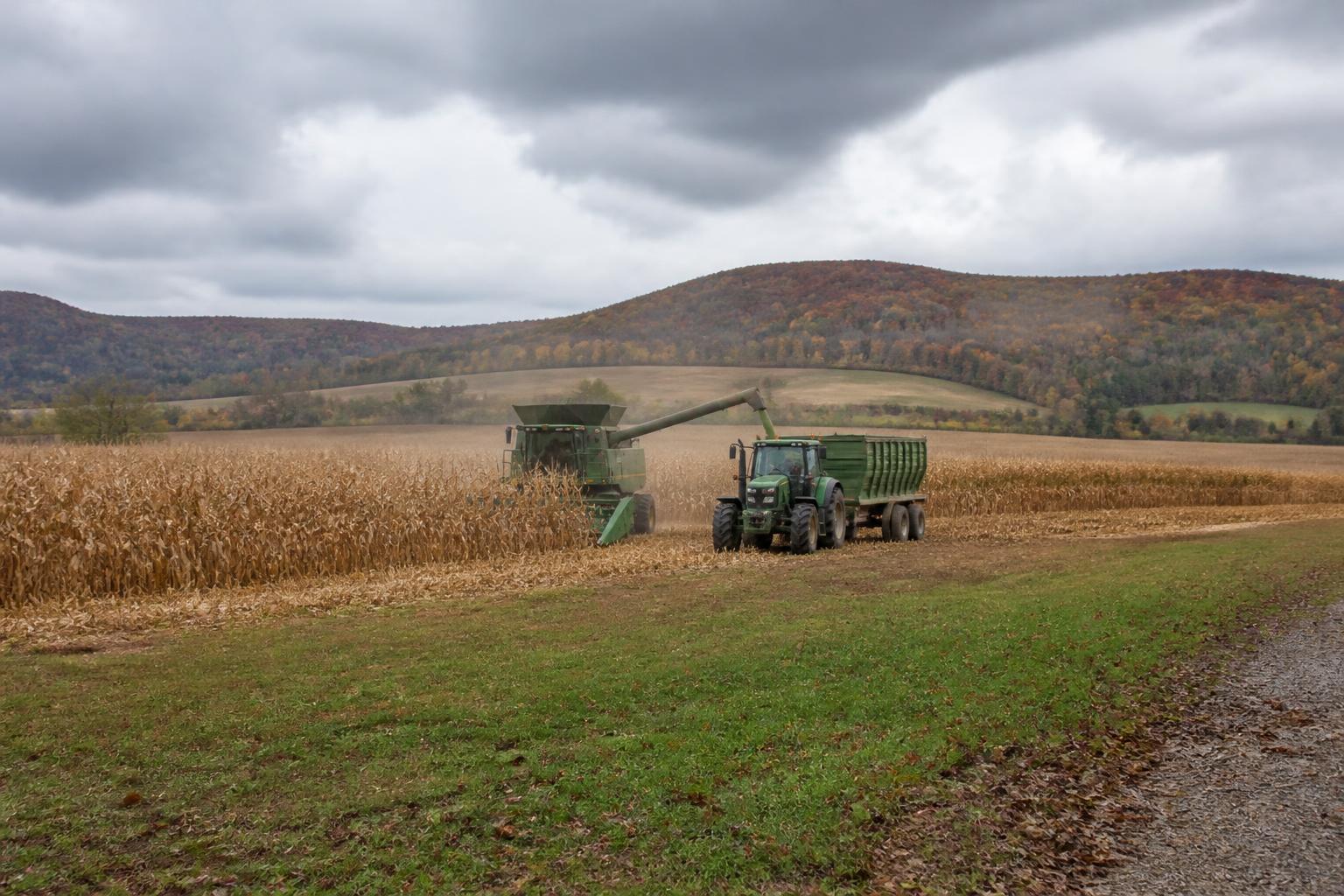
The Pennsylvania harvest season is in full swing, bringing with it the familiar logistical challenges of managing grain movement and input distribution. Producers across the state, from the fertile soils of Lancaster County to the rolling hills of the central corridors, are navigating a fall season defined by the need for operational efficiency. As grain begins to flow to local elevators, maintaining clear communication with carriers remains essential for avoiding bottlenecks during this high-volume period.
For those managing the flow of commodities, seasonal throughput often requires a proactive approach to transport scheduling. Staying informed on regional operational realities is a critical component for elevators and distributors as they coordinate the surge in heavy vehicle traffic across state highways. Reliable logistics remain the backbone of a successful harvest, ensuring that local crops reach their destination in a timely and cost-effective manner.
Adapting to Evolving Supply Chain Dynamics
The agricultural landscape in Pennsylvania is experiencing notable shifts, including recent changes in business ownership and ongoing efforts to preserve farmland. These developments can influence the availability of localized services and storage capacity for growers. Understanding the broader trends in the regional fertilizer and supply markets can help agribusinesses better prepare for the coming winter months, particularly as they evaluate their storage needs and transportation requirements for the next planting season.
Market participants should also keep a close watch on legislative developments that may impact the agricultural sector. Recent discussions at the state and federal levels concerning support for specialty crops and the future of crop insurance underscore the importance of maintaining robust, well-funded operations to weather both market fluctuations and unpredictable weather patterns common in the mid-Atlantic region.
What it means for the market
For Pennsylvania farmers and handlers, the current environment emphasizes the need for flexibility. As harvest operations peak, success depends on tight coordination between field logistics and market delivery. By staying ahead of supply chain developments and leveraging local infrastructure, agribusinesses can better manage the immediate pressures of the fall season while positioning themselves for more stable growth in the year ahead.
Comments
No comments yet - be the first to share your take.