
In the heart of the fall harvest season, New Hampshire growers and logistics partners are focusing on operational efficiency to keep commodities moving. With the, agriculture sector relying heavily on regional transport networks, local producers are increasingly mindful of how storage capacity and distribution timing impact their bottom line.
Maintaining optimized storage and logistics is particularly critical during these months, as the window for processing and transporting perishable and late-season goods remains tight. Efficient planning can help mitigate some of the common pressures found in local supply chains, especially when infrastructure demands fluctuate.
Building Resilience in the Supply Chain
Statewide, many producers are exploring partnerships to ensure that goods reach markets without unnecessary delay. Efforts to streamline these pathways often involve closer collaboration between farm operations and regional distributors. By prioritizing proactive logistics strategies, growers can better manage the flow of their products from fields in areas like the Connecticut River Valley to local and regional consumers.
Adapting to Market Shifts
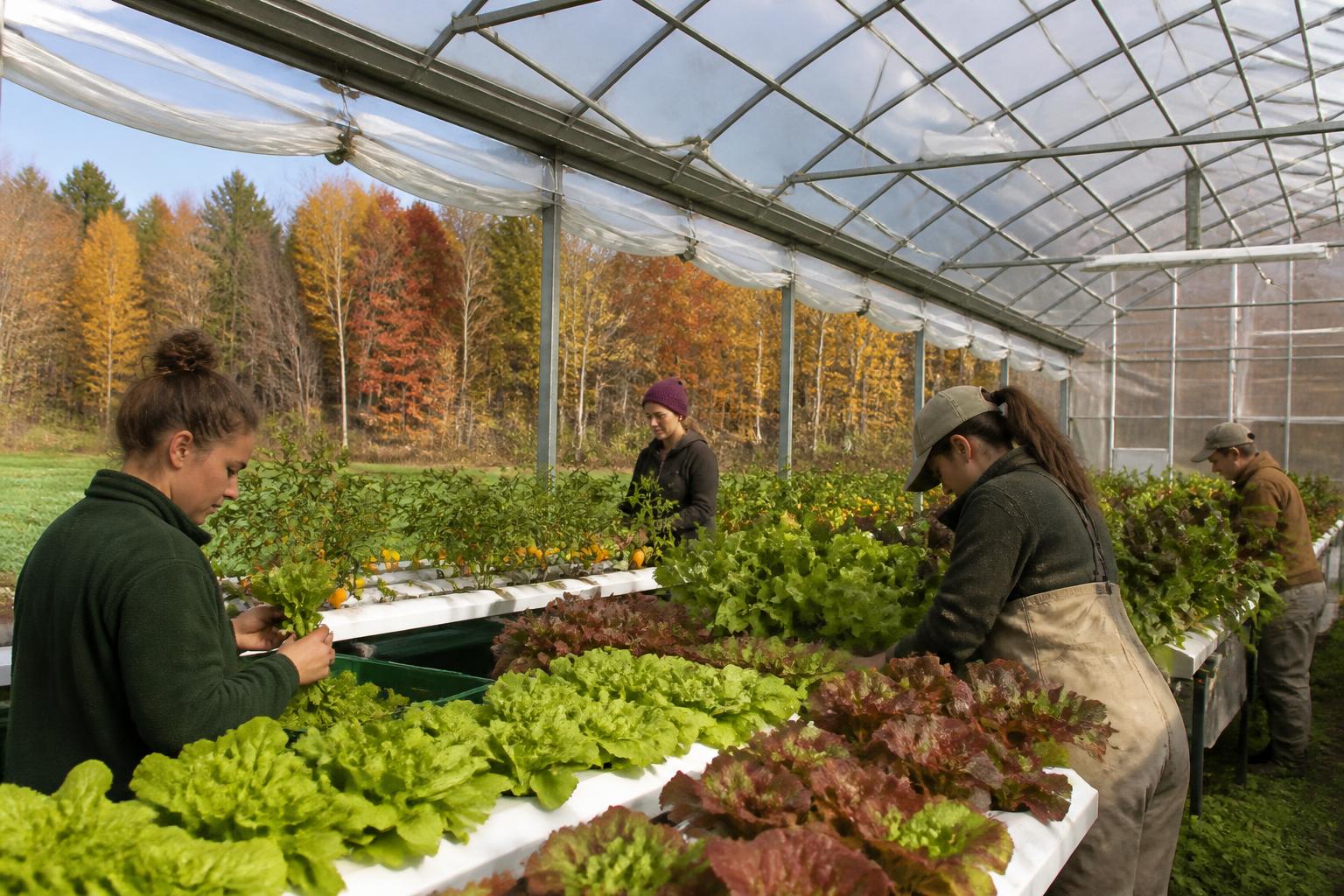
The agricultural landscape in New Hampshire is also witnessing a broader focus on infrastructure investments and market adaptation. Whether it is responding to challenging harvest conditions or upgrading local facilities, the industry continues to emphasize stability. For those managing grain elevators or greenhouse operations, maintaining constant communication with trucking partners is an essential step in navigating the current environment.
What it means for the market
For New Hampshire agribusinesses, the current focus is on maintaining flow during a time of high demand. By closely monitoring local transportation corridors and prioritizing supply chain efficiency, growers can help ensure that the regional agricultural economy remains competitive throughout the fall season and into the planning stages for next year.
Comments
No comments yet - be the first to share your take.