
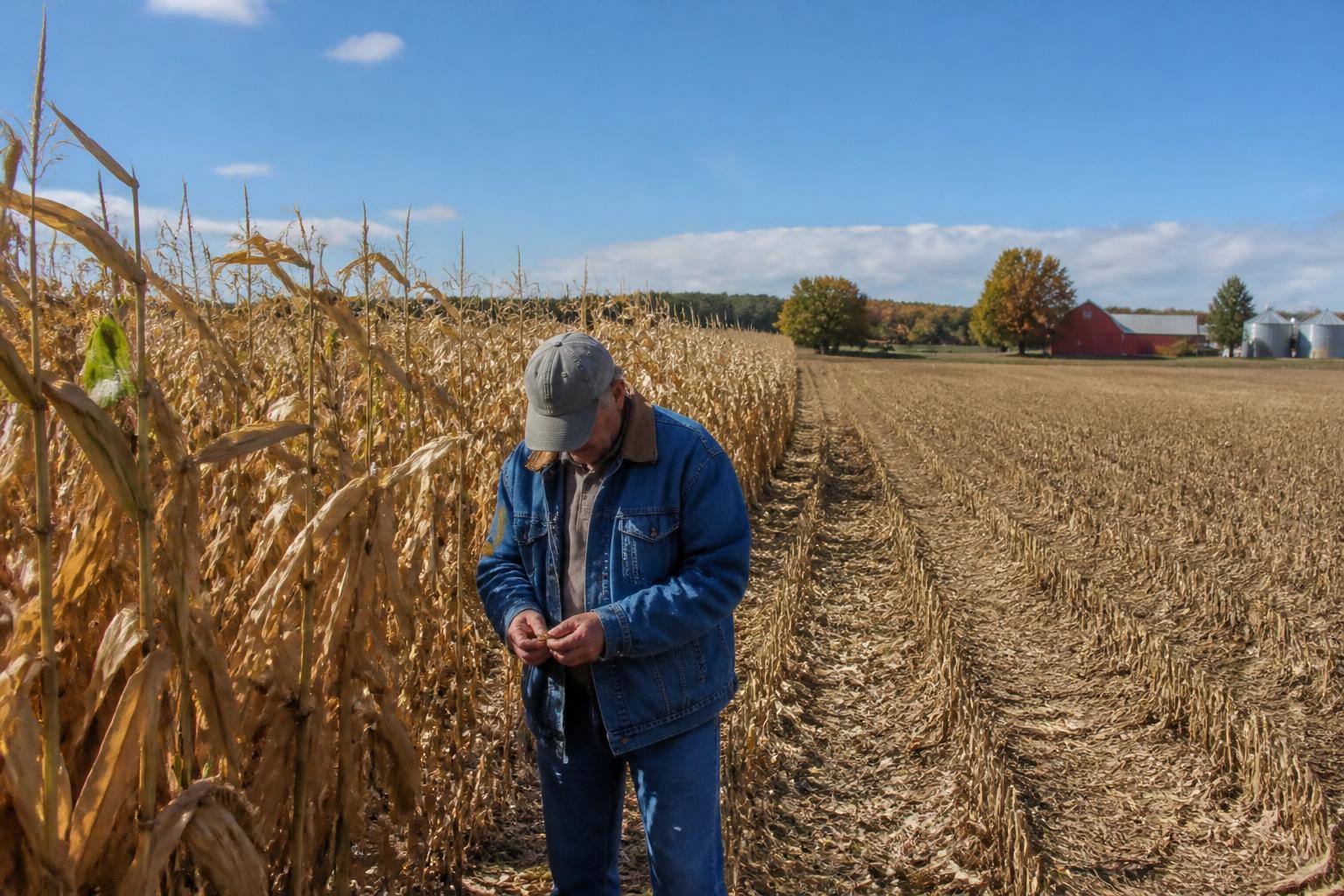
Delaware agriculture is currently balancing the pressures of shifting global commodity signals with the localized demands of fall field operations. For producers across the Delmarva Peninsula, managing crop protection and fertility needs remains a priority as the industry looks toward next season's planning cycle.
Market volatility in grain sectors has underscored the necessity of optimizing every input dollar. With national commodity prices showing downward trends, growers are increasingly focused on operational efficiency. Effectively managing fertilizer expenses has become a central part of this strategy, particularly as global supply chains remain dynamic and responsive to international trade agreements.
Regulatory Adjustments for Nutrient Management
The state has recently introduced targeted measures to assist with logistics in the poultry sector. An emergency order now facilitates the fall staging of poultry litter, aimed at mitigating HPAI risks while providing growers with more flexibility in managing their nutrient programs. This adjustment is expected to help farmers better synchronize their soil amendments with seasonal work windows, allowing for more precise field applications.
Refining Protection Strategies
While soil health remains a focus, the conversation around crop protection is evolving. Innovative, nature-based formulations, such as new polymeric dispersants designed to reduce microplastics, are entering the supply chain. These products are being closely watched by producers looking to meet both agronomic performance targets and evolving environmental standards in their management plans.
What it means for the market
For Delaware agribusinesses and grain handlers, the current landscape requires a dual focus on global market developments and local logistics. As farmers finalize their fall soil preparation, the alignment of regulatory support with efficient input management will likely be the key to maintaining margins. Staying informed on both policy shifts and new application technologies will be essential for navigating the remaining months of the year.
Comments
No comments yet - be the first to share your take.