
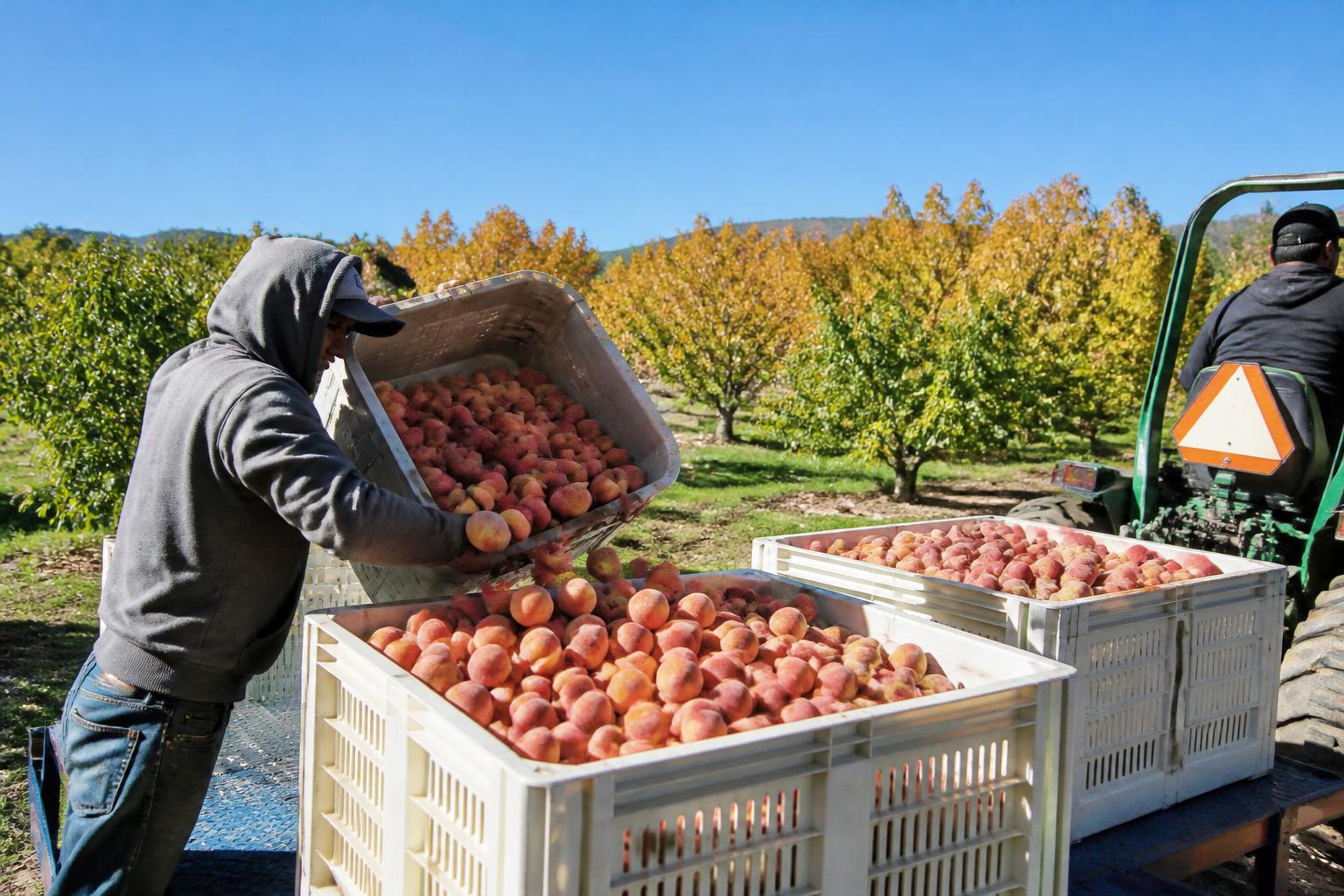
As harvest activities accelerate across California, regional growers are contending with a complex mix of operational pressures. Beyond the typical logistical hurdles of the fall season, the presence of invasive pest species has triggered localized quarantine measures, requiring producers to maintain heightened vigilance. Managing these biosecurity threats often necessitates strict adherence to updated movement protocols, which can complicate the standard flow of goods from field to distribution point.
Managing Invasive Pest Pressures
The recent emergence of exotic pests in specific regions has placed local agriculture on high alert. For many, these quarantine events represent more than just a biological risk; they introduce significant friction into the supply chain. Navigating these shifting logistical realities requires constant communication between field managers and transport partners to ensure compliance with current movement regulations. While some previous infestations have been successfully addressed, the ongoing threat of new arrivals remains a primary concern for specialty crop producers.
Regulatory Trends and Operational Flexibility
In addition to pest management, the broader regulatory environment continues to evolve. Discussions surrounding climate policy and the expansion of organic production mandates have prompted many in the industry to re-evaluate their long-term protection and input strategies. Producers are increasingly prioritizing flexibility to adapt to these policy shifts, often weighing the benefits of varied crop protection tools against the potential for stricter regional oversight. These adjustments are particularly critical as growers plan their input requirements for the upcoming season, balancing biological solutions with conventional standards.
What it means for the market
The convergence of biosecurity quarantines and evolving regulatory frameworks is testing the agility of California agribusinesses. For those in the field and the supply chain, success this season will likely depend on maintaining robust record-keeping, staying informed on localized quarantine updates, and proactively managing inputs to mitigate both biological and administrative risks. Maintaining operational transparency remains the best strategy for navigating this period of uncertainty.
Comments
No comments yet - be the first to share your take.