
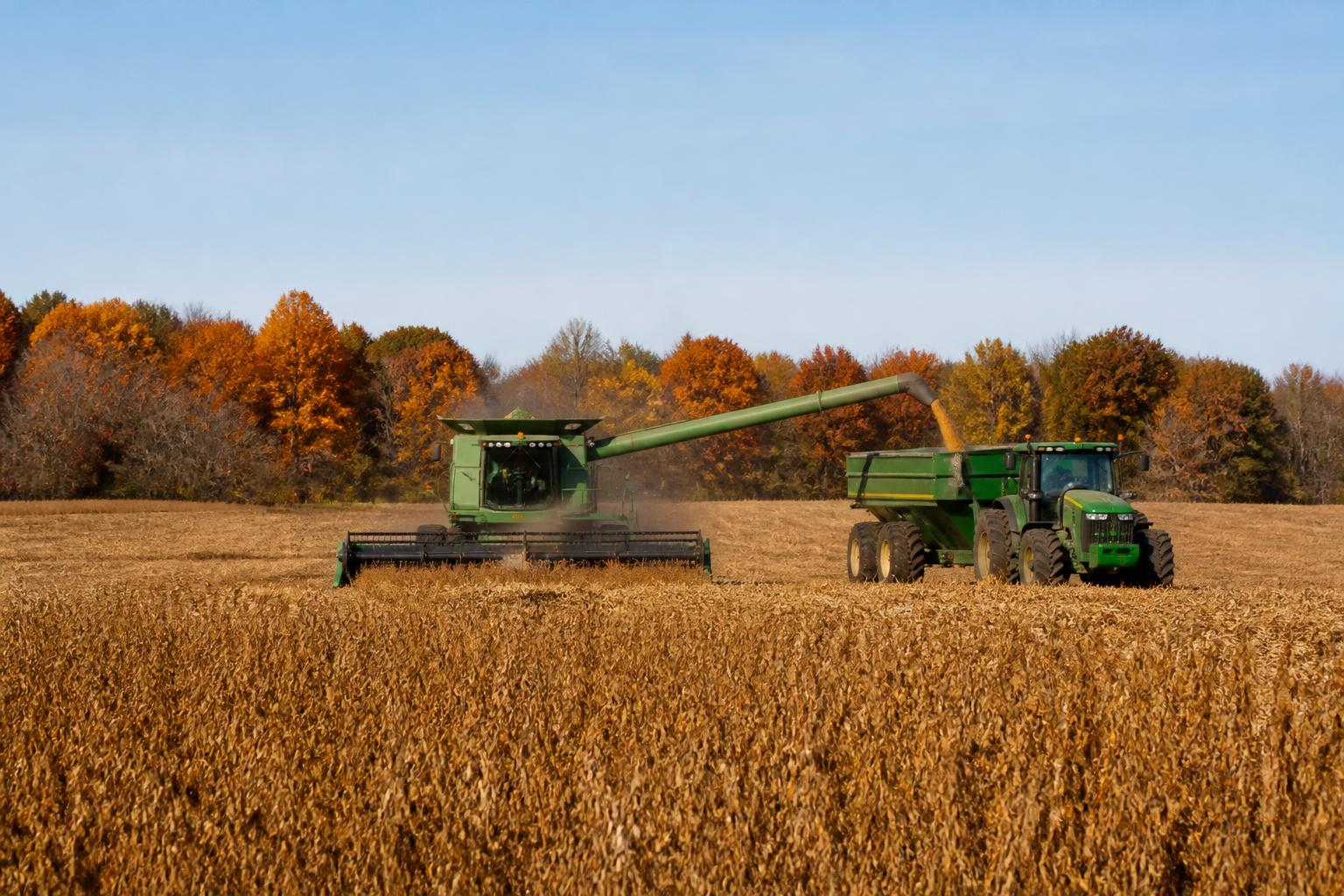
With the fall harvest moving across Minnesota, producers and grain handlers are focusing on operational efficiency to keep commodities flowing from fields to storage and transport hubs. As combines work through the final stretches of the season, the coordination between truck capacity and elevator intake speeds becomes the primary bottleneck for many rural logistics chains.
For those managing the logistics of crop movement, staying informed about evolving supply chain pressures is essential. In many parts of the state, local road conditions and seasonal weight restrictions can shift rapidly, requiring carriers to remain agile as they navigate regional highway corridors during peak transit windows.
Managing On-Farm Storage and Elevator Flow
The current harvest pace often tests the limits of local infrastructure. In counties where yield reports suggest a steady flow, elevators typically manage intake by staggering truck arrivals to avoid long queues. Producers who have invested in on-farm storage may find more flexibility, allowing for better decision-making regarding when to sell into the market versus when to hold for future price adjustments.
Infrastructure and Transport Efficiency
Beyond the farm gate, the regional transport network is feeling the seasonal strain. With increased heavy-vehicle traffic on rural routes, maintaining communication with local grain handlers is vital to avoid congestion at intake points. Operators in the Red River Valley and southern Minnesota grain belts often emphasize that pre-scheduling deliveries can help mitigate the risk of downtime for trucking crews during the busiest weeks of the season.
While infrastructure projects are a regular occurrence across the state, monitoring active construction notices remains a standard practice for fleet managers planning routes to major shipping terminals. Small delays on rural county roads can compound quickly, impacting the overall turnaround time for equipment throughout the day.
What it means for the market
The ability to move grain effectively throughout the fall determines how much of the harvested supply stays local versus how much enters the immediate export or feed markets. Farmers who leverage real-time data on terminal intake, coupled with efficient transport scheduling, are better positioned to capitalize on market opportunities as the season progresses. Maintaining clear lines of communication between the field, the elevator, and the carrier will continue to be the difference-maker for operational profitability this autumn.
Comments
No comments yet - be the first to share your take.