
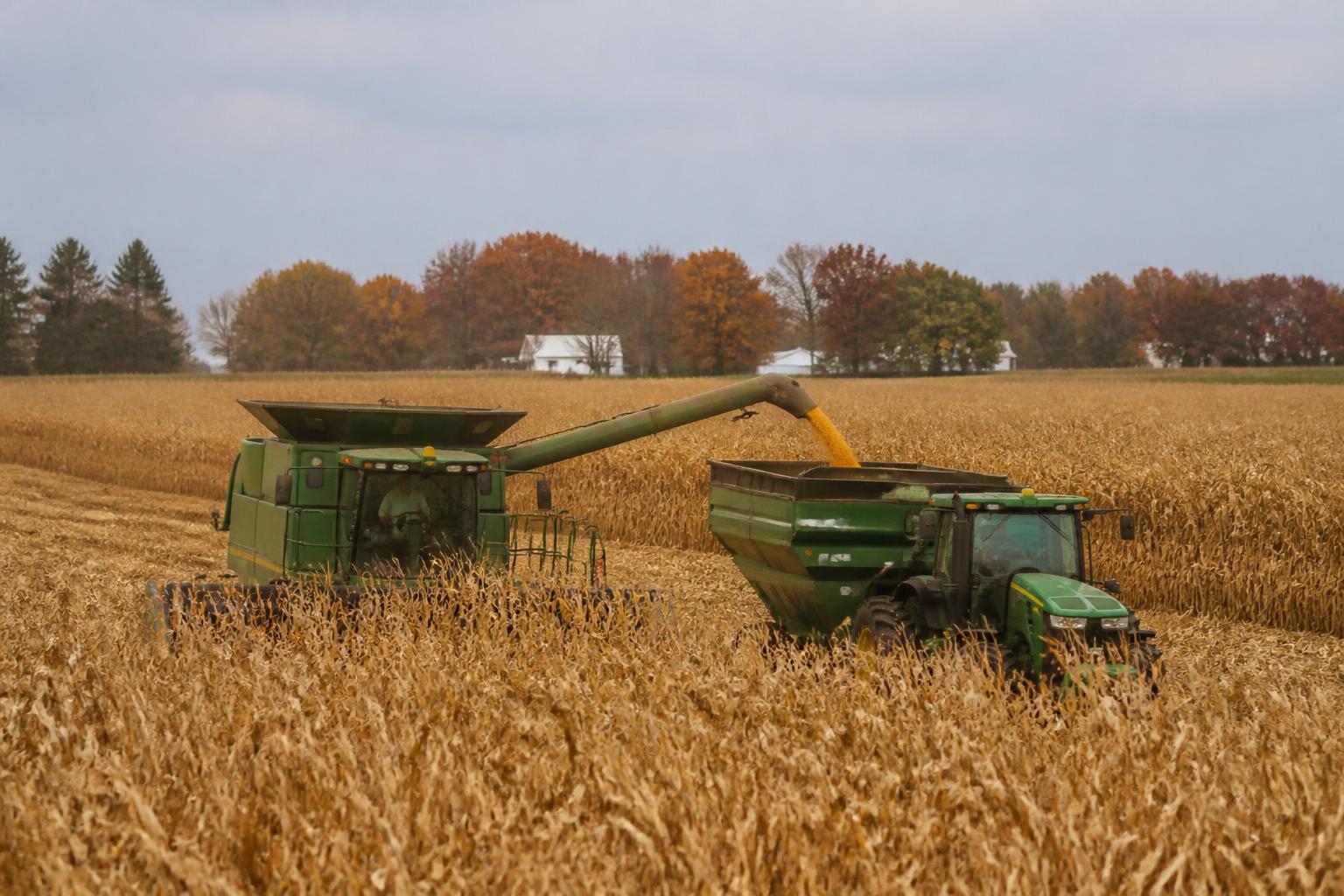
Minnesota's agricultural sector is currently deep into the fall harvest, a critical period where the efficiency of grain movement directly impacts the bottom line for producers and elevators alike. As combines work through fields across the state, from the fertile grounds of the Red River Valley to the southern corn corridors, the pressure on regional logistics remains high. Managing this throughput requires a keen eye on seasonal logistics challenges that often surface during peak harvest windows.
For many, the focus remains on navigating basis volatility and the ongoing regional shifts in grain movement. With harvest progress well underway, elevators are balancing the need for rapid storage turnover with the realities of regional rail and barge access. Maintaining an efficient flow from the field to the terminal is essential, particularly when transport infrastructure faces competing demands during these busy weeks.
Monitoring Market Shifts and Trade Variables
Beyond local logistics, Minnesota agriculture continues to weigh the impact of broader market forces. Farmers are watching both domestic yield estimates and international trade developments, which can exert significant pressure on cash bids and local profitability. As noted in recent observations regarding field-level operational management, staying ahead of these external variables is becoming a standard part of the modern agricultural business strategy.
Market participants should remain vigilant regarding potential fluctuations in regional basis, as the interplay between local supply and export-driven demand is dynamic. Understanding how grain moves through major hubs and how these costs align with current market pricing is critical for any operation looking to optimize their sales strategy in this environment.
What it means for the market
For Minnesota agribusinesses and grain handlers, the priority remains operational flexibility. As the harvest matures, the ability to pivot between storage options and transit routes may serve as a critical hedge against volatility. Staying informed on regional transport efficiency and market-basis trends will be the most reliable way to mitigate risk as the industry navigates the final stretch of the fall season.
Comments
No comments yet - be the first to share your take.