
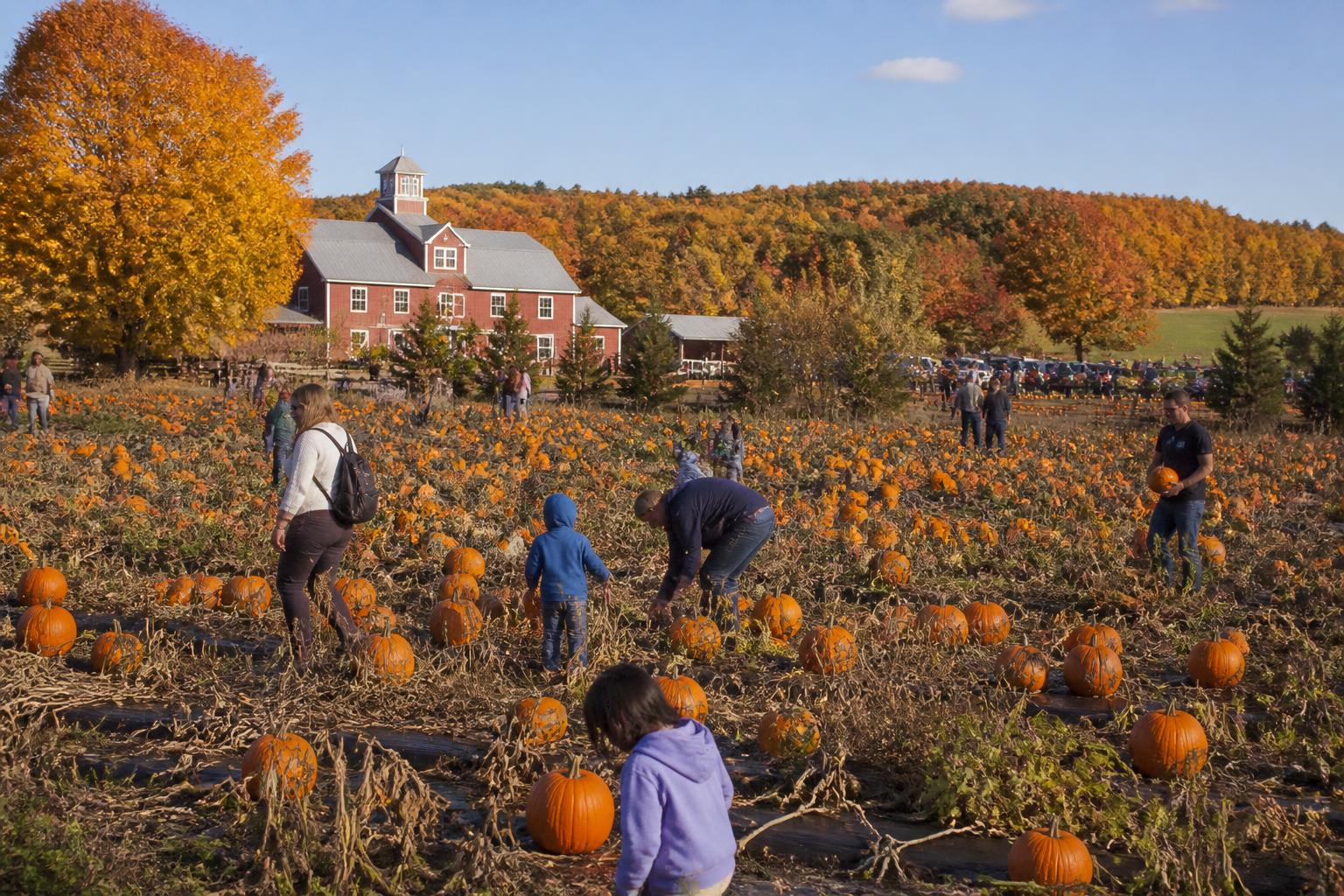
For New Hampshire agricultural producers, the current fall season brings a familiar intensity as harvest operations reach their zenith. Across the state, from the fertile corridors near the coast to the rolling landscapes of the North Country, growers are balancing the immediate demands of field collection with the complexities of regional logistics. Efficient movement of seasonal crops during this window is vital, and many operations are currently focusing on streamlining their infrastructure needs to ensure that product reaches its destination without avoidable delays.
Refining Supply Chain Strategies
The pressure on transportation networks often intensifies as harvest volumes peak. Successfully managing these seasonal fluctuations requires a proactive approach to scheduling and equipment coordination. For those managing grain or specialty crop inventories, strengthening supply chain efficiency is rarely just about speed; it involves careful orchestration of storage capacity and carrier availability. As growers evaluate their output, the ability to pivot between local distribution channels and regional hubs can be the difference between maintaining a steady market presence and dealing with backlogs.
Prioritizing Operational Stability
With the variability inherent in New Hampshire agriculture, maintaining resilient logistics is a top priority. Whether dealing with short-term storage constraints or anticipating the final push of the season, growers who maintain tight control over their movement schedules often report greater stability in their bottom line. Market participants continue to emphasize that, in this environment, clear communication between producers, handlers, and carriers remains the most effective tool for mitigating the logistical risks that often accompany a busy harvest period. For those looking to refine their approach, optimizing fall storage and logistics should remain a central component of any post-harvest strategy.
What it means for the market
For New Hampshire agribusinesses, the coming weeks are critical for maximizing the returns on a successful season. Growers who leverage strategic storage and reliable transport partners are better positioned to navigate the late-season market, ensuring that supply chain integrity remains high even when regional logistical corridors are under the heaviest strain.
Comments
No comments yet - be the first to share your take.