
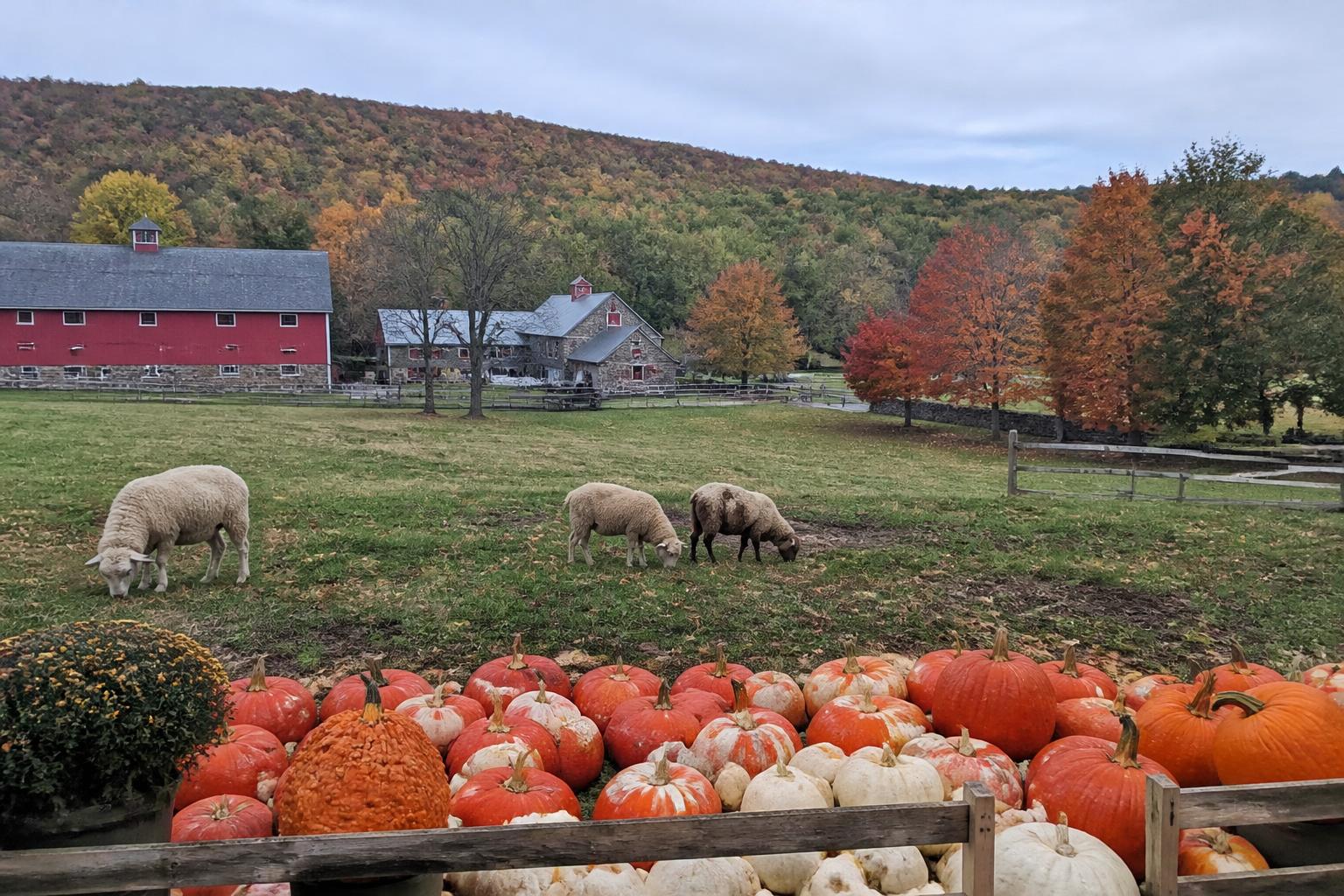
As the fall season progresses in Connecticut, agricultural producers are navigating a complex market environment defined by both new investment and shifting consumer demand. With harvest activities reaching their peak across the state, from the fertile soils of the Connecticut River Valley to the smaller operations near the coast, producers are assessing the economic impact of recent state-level initiatives.
The Connecticut Department of Agriculture recently announced a significant allocation of over half a million dollars aimed at enhancing the competitiveness of the state's specialty crops. For farmers, this influx of capital represents a critical opportunity to invest in infrastructure and marketing, particularly as navigating fall market headwinds and land stewardship remains a priority for long-term viability.
Seasonal Pricing and Market Dynamics
Retail markets are showing unique activity this October. Consumer interest in seasonal produce, such as pumpkins, remains high, though pricing fluctuations are visible at the point of sale. For growers and farm stand operators, these price adjustments reflect broader costs in logistics and production that have rippled through the market this season.
Beyond traditional produce, the state's livestock sector is seeing renewed interest. The "Buy Local" movement has been identified as a significant driver in the growth of the Connecticut sheep industry, helping smaller producers connect more effectively with regional consumers who prioritize local sourcing.
Policy and Operational Outlook
Discussions regarding agricultural inputs continue to draw attention, particularly surrounding legislative proposals that would restrict the use of neonicotinoids. Opponents of such measures argue that curbing these tools may complicate pest management strategies for producers who rely on integrated pest management systems to protect their yields during sensitive growth stages.
Key Takeaways:
- Specialty crop competitiveness remains a core focus of state-level grant programs.
- "Buy Local" initiatives are providing a tangible boost to the regional sheep sector.
- Producers are weighing the potential impact of future regulatory changes on standard pest management practices.
What it means for the market: As we move deeper into the fall, Connecticut growers should leverage available state grants to bolster operational resilience. While consumer demand remains steady for seasonal favorites, the evolving dialogue around input regulations and the rising popularity of local meat products suggest that diversifying market channels may be key to weathering current price volatility.
Comments
No comments yet - be the first to share your take.