
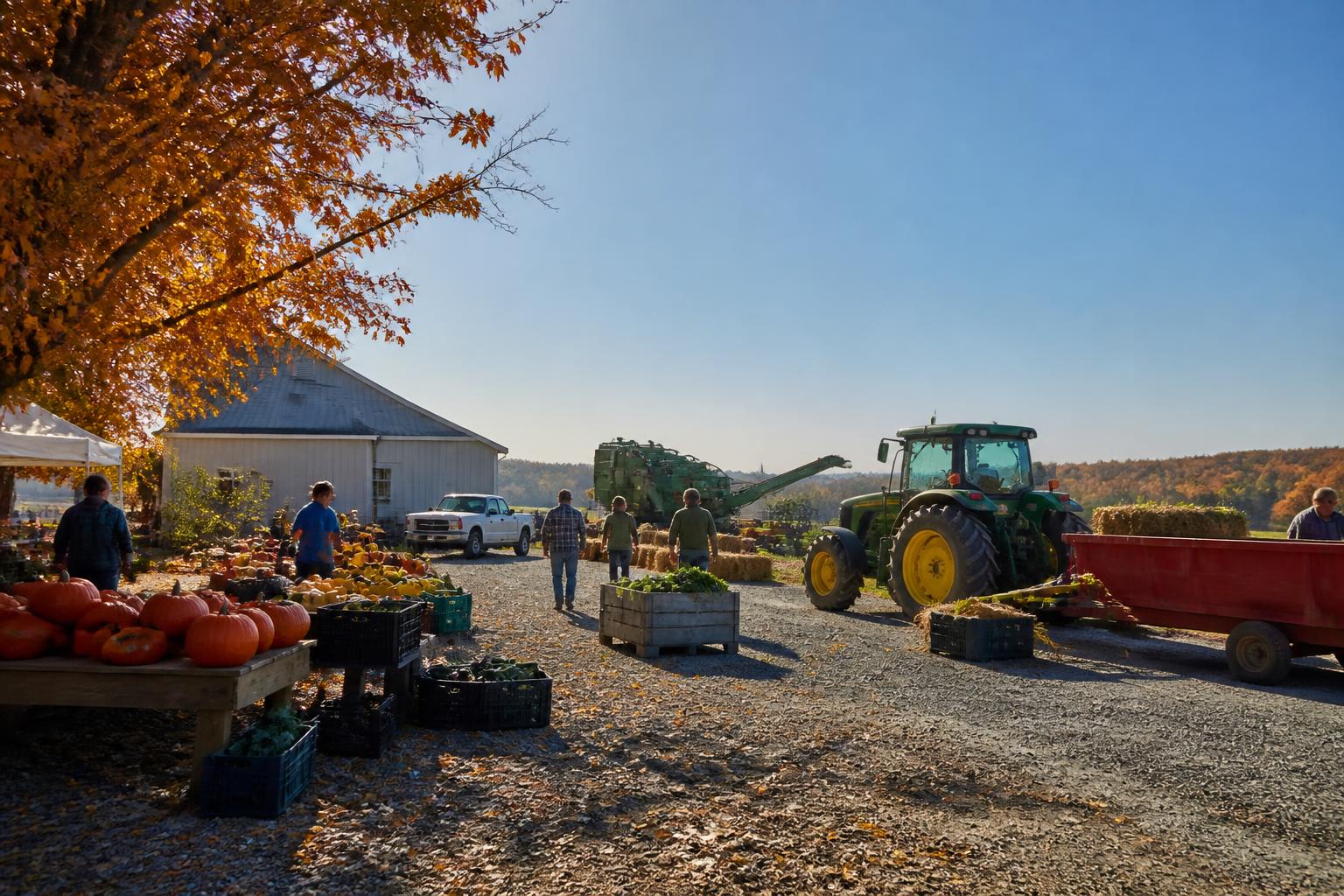
As Delaware enters the heart of the harvest season, the state's agricultural sector remains focused on balancing immediate yield objectives with long-term input cost management. For many producers across Sussex and Kent counties, the intersection of global supply chain pressures and local regulatory environments continues to influence decision-making for both current crop handling and future protection strategies.
Input volatility remains a persistent challenge for regional agribusinesses. As local growers assess their needs, the focus often shifts toward efficiency, as seen in Delaware Fertilizer Outlook: Managing Rising Input Costs This Fall, which underscores how market fluctuations dictate the bottom line for the upcoming season. Efficient resource allocation is increasingly essential as farmers aim to maintain margins amidst broader economic tightening.
Technology and Integrated Management
Technology continues to play a pivotal role in modernizing Delaware farming operations, from precision application tools to improved diagnostic science for crop health. Understanding the nuance between integrated pest management and chemical reliance remains a top priority for growers looking to maximize sustainability. Insights on Delaware Crop Protection and Market Outlook: Navigating Fall Pressures suggest that proactive monitoring can mitigate risks associated with both environmental stress and pest pressure.
Furthermore, regional innovation is drawing attention from global entities, as exemplified by crop protection firms choosing Delaware for strategic operations. This influx of technical expertise may eventually offer local producers better access to advanced, sustainable solutions tailored for the mid-Atlantic climate.
Planning for the Post-Harvest Window
With harvest activity picking up pace, attention is also turning toward soil health and fall preparation. Sustainable practices, such as thoughtful cover crop integration and responsible nutrient management, are becoming standard as growers look to protect their land for the following spring. For those still refining their approach, resources on Managing Fall Fertilizer Logistics and Regulatory Shifts in Delaware can provide critical context on the evolving compliance landscape within the state.
What it means for the market: For Delaware producers, the current market climate favors a cautious, data-driven approach to crop protection and input procurement. By prioritizing operational efficiency and staying informed on regional regulatory shifts, agribusinesses can better shield themselves from ongoing inflationary pressures and supply chain instability as they close out the season.
Comments
No comments yet - be the first to share your take.