
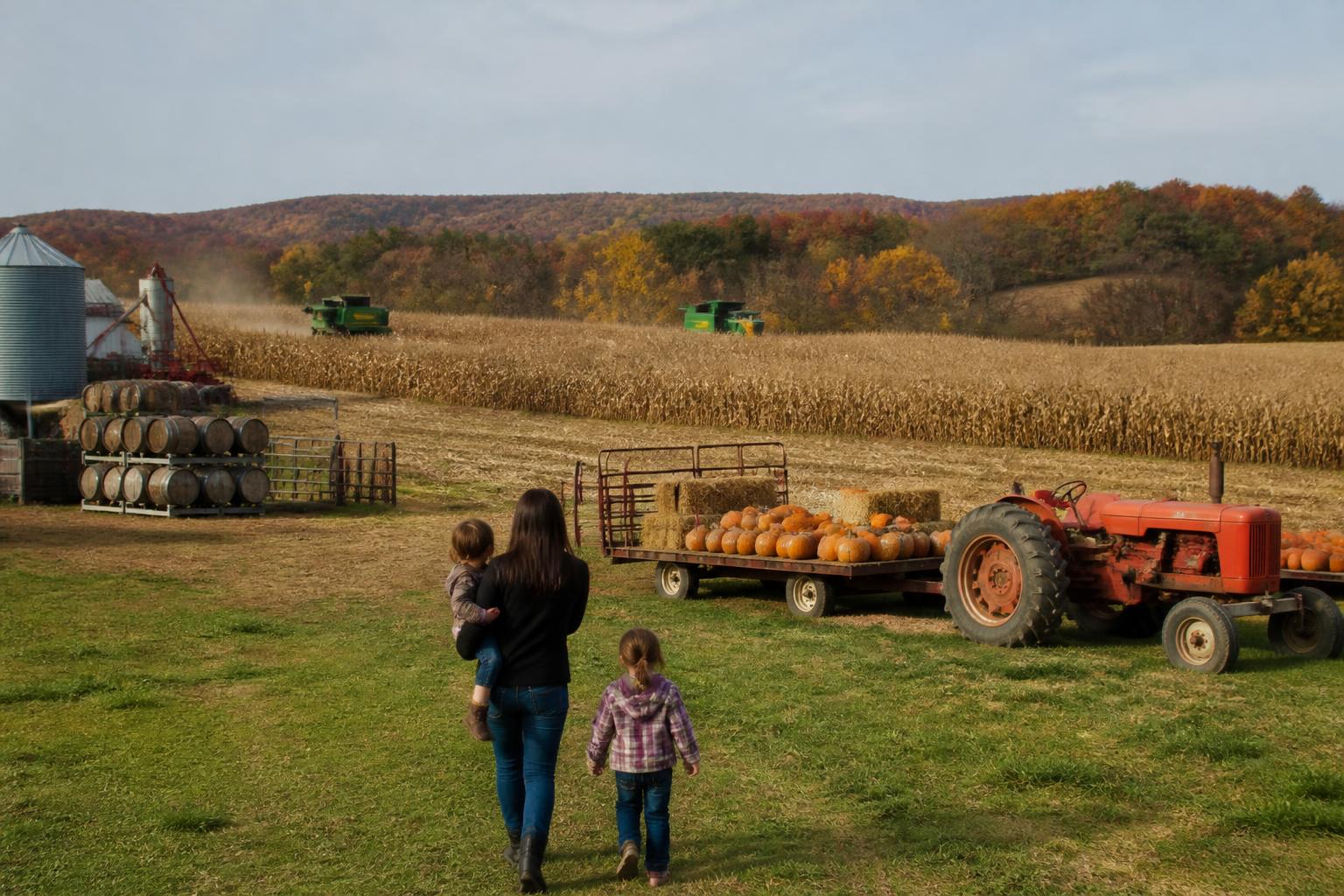
For many farmers across New York, the rhythm of the fall harvest brings a heightened focus on the movement of goods and the efficiency of the supply chain. As harvest activities ramp up in key agricultural regions, from the grain-heavy fields of the Finger Lakes to the dairy corridors of the Mohawk Valley, logistical pressures often become more pronounced. Managing the flow of inputs and outputs requires careful planning, especially when broader economic factors influence operational feasibility.
Navigating Persistent Cost Pressures
The impact of fuel costs continues to ripple through every stage of the agricultural process. While the headline price at the pump is a common benchmark, the total cost of energy-dependent logistics includes significant overhead for grain transport, equipment maintenance, and the delivery of critical inputs. As New York ag logistics managers navigate fall operational shifts, many are finding that maintaining margins requires a lean approach to transportation scheduling and route optimization to mitigate the effects of fluctuating diesel expenses.
Supply Chain Integration and Operational Stability
Strategic integration within the agricultural supply chain has become a standard approach for businesses looking to buffer against volatility. In New York, where diverse operations range from specialized grain production to input-intensive field crop management, visibility remains essential. Operators are increasingly looking toward reliable partners to ensure that seasonal surges do not disrupt essential harvest logistics and field access. This emphasis on reliability is further compounded by the need for enhanced security measures to protect the integrity of the food and agriculture supply chain against evolving digital and physical risks.
Strategic Planning for the Season Ahead
Preparation is key, particularly as producers balance the demands of the immediate harvest with long-term input planning. Understanding how external factors, such as regional infrastructure capacity and market-driven supply fluctuations, affect the local landscape is vital for farm managers. Insights into New York fertilizer and input planning can offer a necessary buffer, helping businesses align their operational readiness with expected market conditions throughout the coming months.
What it means for the market
For New York agribusinesses, this fall represents a period of necessary adaptation. While regional agricultural sectors remain resilient, the cumulative weight of transport costs and supply chain integration challenges demands a proactive stance. By prioritizing efficient logistics and closely monitoring input cost structures, farmers and handlers can better position themselves to navigate the complexities of this year's harvest season while maintaining operational continuity.
Comments
No comments yet - be the first to share your take.