
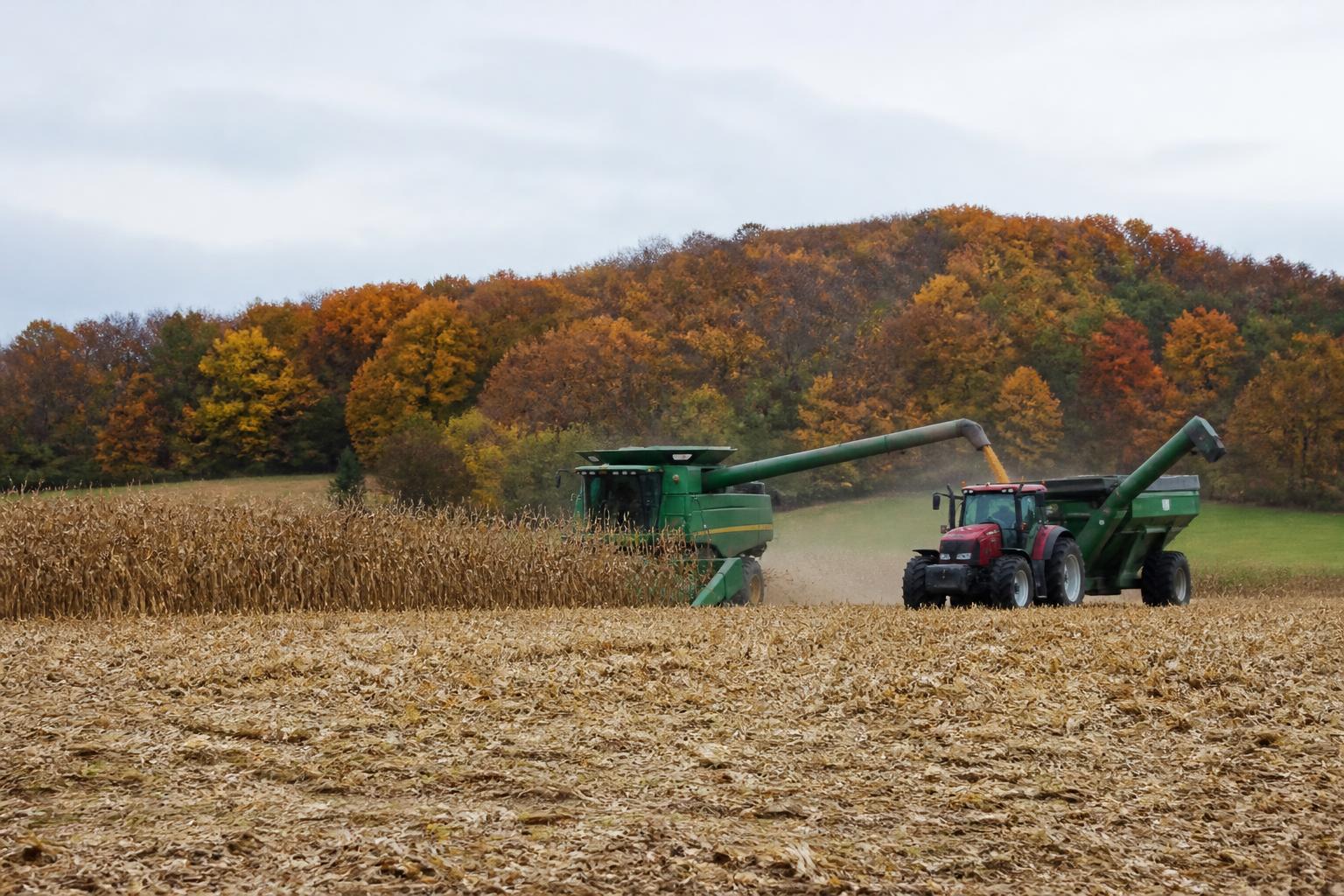
The colors of a Minnesota fall are in full effect, and for farmers across the state, this signifies the most critical window for grain movement. As harvest operations move into higher gear across the central and southern regions, the focus shifts to maintaining efficient logistics from field to elevator. With equipment running long hours, managing both on-farm storage levels and transport capacity remains a primary concern for local agribusinesses.
Navigating Seasonal Logistical Hurdles
As the state enters the heart of the autumn window, regional grain handlers are keeping a close eye on transport availability and turnaround times. While the industry continues to monitor fluctuating national export trends, local logistical infrastructure is often tested by the simultaneous surge in demand from multiple regions. Effective coordination between producers and carriers is essential to mitigate bottlenecks at receiving points during the peak harvest period.
Operational Readiness and Infrastructure Focus
Beyond the field, the broader agricultural supply chain in Minnesota remains focused on optimizing flow. Efforts to maintain fluid operations include proactive communication with regional cooperatives and grain terminals. As operators manage the steady influx of crop, many are prioritizing load-out schedules to align with available rail and trucking capacity, ensuring that local bins do not become a limiting factor in the harvest strategy.
What it means for the market
For Minnesota producers and agribusinesses, the current environment emphasizes the importance of logistical foresight. Monitoring regional movement patterns and maintaining flexible haulage plans can help navigate the seasonal spikes in traffic. As the harvest continues, those who maintain clear communication with their logistics partners are better positioned to sustain operational efficiency and manage potential capacity constraints effectively.
Comments
No comments yet - be the first to share your take.