
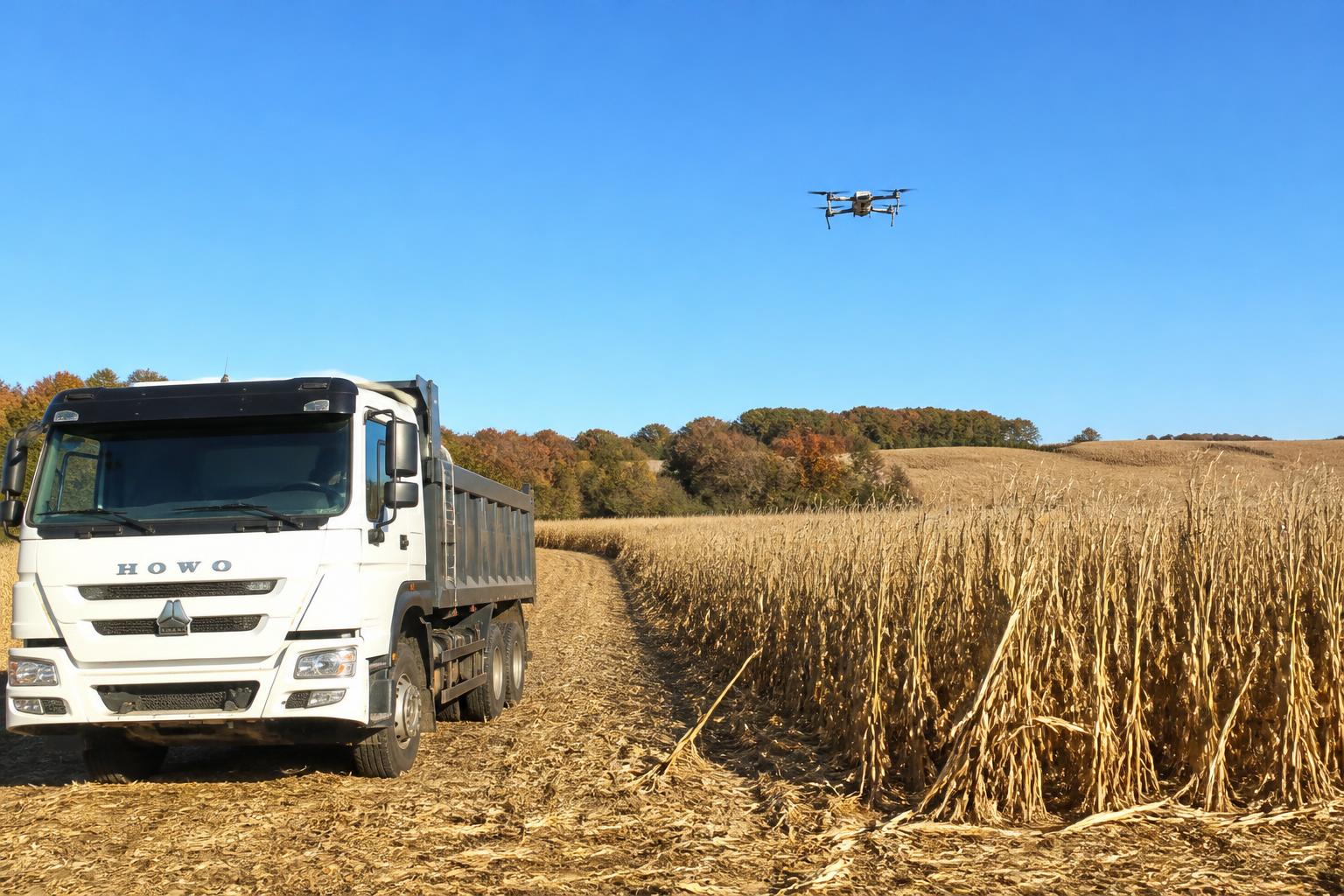
Missouri producers are currently balancing the final push of the fall season with the aftermath of recent unpredictable weather patterns. From flattening winds in West-Central regions to ongoing concerns over crop health and damage, the landscape requires careful observation as the state moves toward wrapping up harvest activities. Ensuring that fields are appropriately managed following these disruptions is essential for maintaining both near-term yield stability and long-term soil integrity.
For many operations, the challenge is compounded by persistent monitoring requirements. Recent investigations into dicamba crop injury in Southeast Missouri have highlighted the complexity of maintaining effective, yet safe, weed management programs. Producers may find that balancing fall harvest logistics and weed management requires a more targeted approach, especially when dealing with stressed crops that are already vulnerable to external pressures.
Leveraging Technology for Crop Health
Advancements in research from the University of Missouri are providing new tools to help farmers stay ahead of these challenges. The integration of drones and AI-driven monitoring is becoming a practical asset for identifying crop stress early. By deploying these technologies, growers can make more informed decisions about which fields need immediate attention and which can wait, potentially saving time and resources during the busy harvest window. This data-driven approach is increasingly vital as farmers navigate the complexities of field logistics and soil conditions that can dictate how quickly machinery can move through a field.
Infrastructure and Resource Readiness
Beyond crop protection, the broader logistical picture remains a priority. Following reports of damaged grain bins and infrastructure due to severe weather, many farmers are looking toward strengthening their storage capacity and logistics chains. Whether it is through infrastructure growth and transport updates or optimizing on-farm handling, the ability to protect harvested grain from the elements is as important as protecting the growing crop itself. As the season progresses, focusing on these resilient practices will remain a cornerstone for Missouri agricultural sustainability.
What it means for the market
For agribusinesses and carriers, this period signifies a heightened demand for versatile equipment and advisory services. Growers who prioritize precision scouting and robust infrastructure are likely to be better positioned to mitigate the risks posed by shifting weather patterns. Markets should anticipate continued interest in diagnostic tools and upgraded storage solutions as producers seek to finalize their season with the highest possible operational efficiency.
Comments
No comments yet - be the first to share your take.