
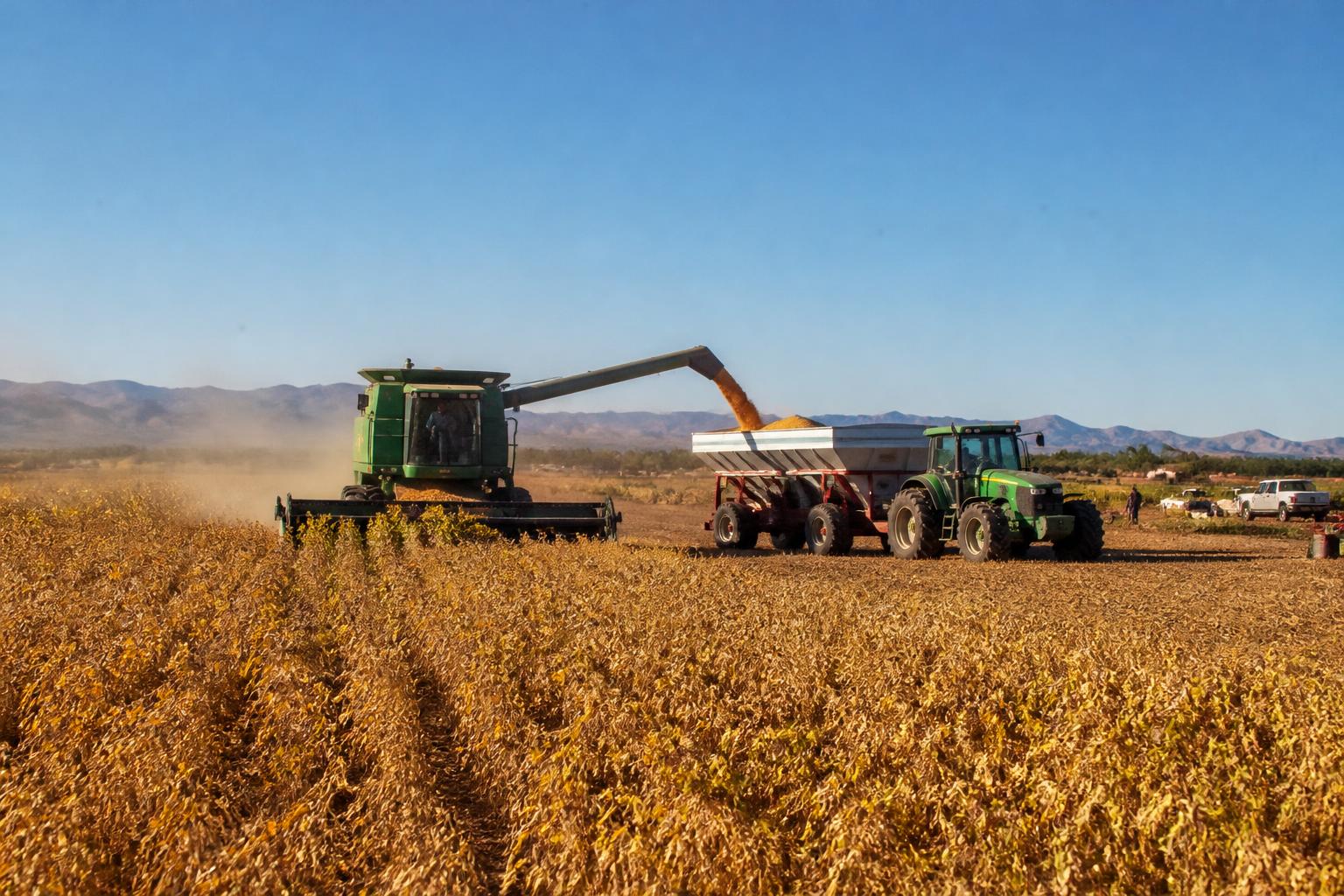
As Arizona moves deeper into the fall season, the agricultural supply chain remains under scrutiny. For farmers, grain handlers, and regional freight carriers, maintaining steady movement through key transport corridors is essential for handling the shift in seasonal output. Efficient logistics are a cornerstone of the state's agricultural resilience, particularly as rural roads and major trucking routes experience the typical ebb and flow of harvest-related traffic.
The current environment underscores the importance of regional infrastructure in maintaining market access. Whether coordinating the transit of produce from Yuma's growing regions or managing the broader movement of commodities, stakeholders are increasingly focused on operational efficiency. Navigating these logistical challenges requires constant communication between local growers and transportation providers to mitigate potential bottlenecks during peak transport windows.
Infrastructure and Operational Trends
Beyond immediate transit, the broader agricultural system in Arizona is seeing a push toward modernization. Investments in new technologies and food system projects are aimed at long-term equity and efficiency. While these initiatives are long-term in scope, they signal a clear trend toward enhancing how agricultural goods are processed and moved through the state, potentially providing future stability for operators in the logistics sector.
Additionally, the market is keeping a close eye on input costs, particularly regarding fertilizer and production materials. Fluctuations in these areas can ripple through the entire supply chain, impacting everything from warehouse storage capacity to final delivery timelines. For those managing grain elevators or transport fleets, closely monitoring these sector-wide shifts remains a critical part of day-to-day risk management.
What it means for the market
The current market landscape suggests that while Arizona remains a vital player in the U.S. food supply chain, success for local businesses hinges on adaptability. By prioritizing efficient routing and staying informed on regional infrastructure updates, operators can better insulate themselves against the unpredictability often seen during the fall harvest. Continued focus on refining transport logistics will be key to sustaining profitability as the industry works to move product effectively from field to market.
Comments
No comments yet - be the first to share your take.