
As Wisconsin enters the heat of the summer grain season, local growers and elevator operators are closely watching both local field conditions and global market shifts. With the international export market playing an increasingly critical role in the state's agricultural economy, keeping grain moving efficiently is top of mind for agribusinesses across the Badger State.
At the same time, regional production patterns are undergoing a long-term transformation. Industry observers have noted that the heart of the Corn Belt has been shifting northward, a trend that could place Wisconsin farms in an even more prominent position for grain production in the years to come.
The Evolving Dynamics of Wisconsin's Corn Belt
The traditional boundaries of the U.S. Corn Belt are no longer static. As weather patterns shift and seed technology advances, northern states like Wisconsin are seeing increased corn acreage and yields, transforming counties that once focused primarily on forage or dairy into highly productive grain hubs. This northward migration of corn-heavy production highlights the need for robust local infrastructure, from commercial grain bins to high-capacity drying systems, to handle larger volumes during the fall harvest.
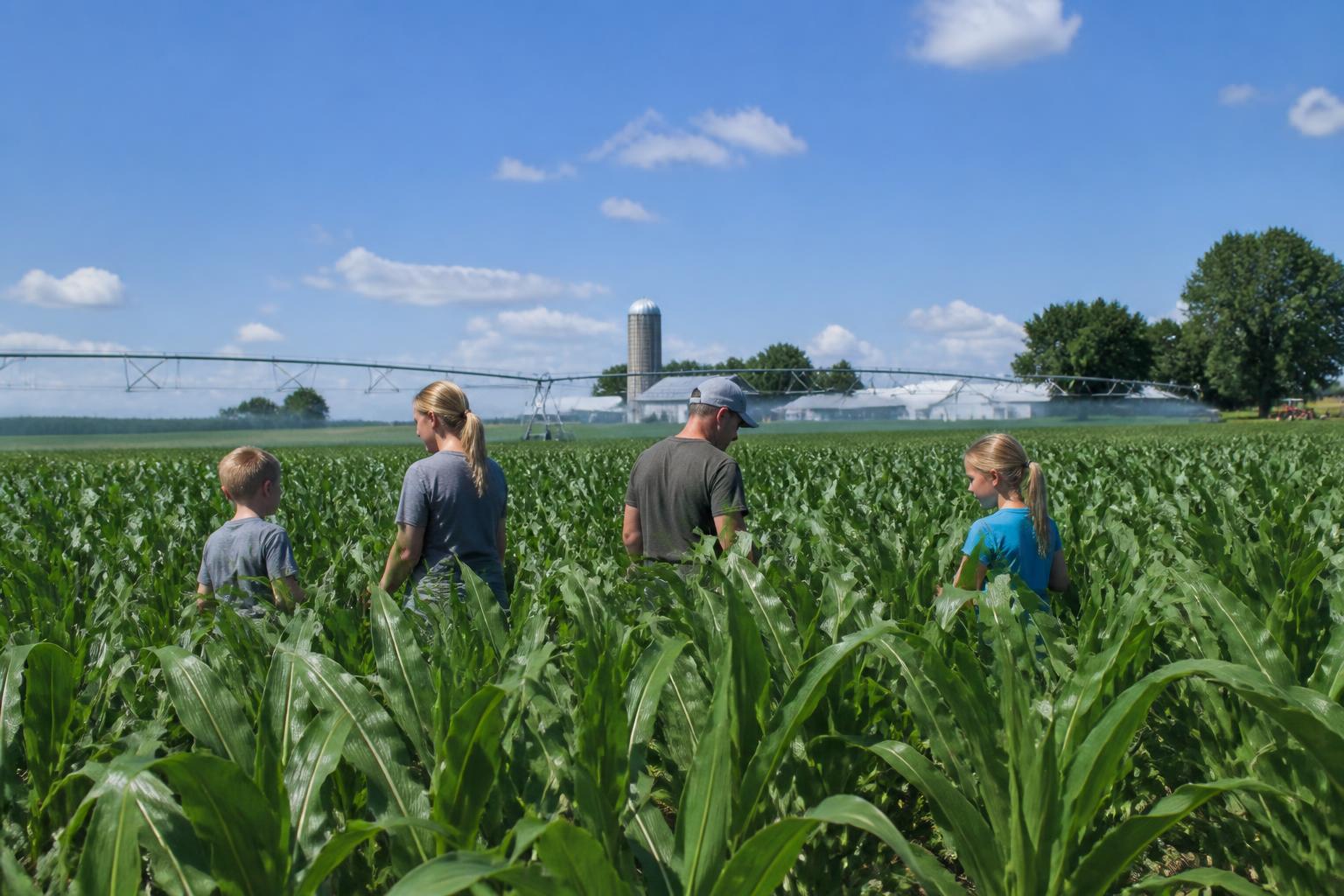
To sustain this growth, many local operators are turning to advanced irrigation systems to stabilize yields, particularly on the sandy soils found in portions of central Wisconsin. Irrigation has proven to be a vital tool for family farms in the state, ensuring consistent crop development even during dry summer spells and fuel-intensive growing periods.
Balancing Cautious Markets and High Input Costs
The current grain market presents a mixed bag for Wisconsin producers. Marketing experts describe a cautious grain market trying to hang on amid fluctuating global demand and domestic supply projections. Wisconsin corn exports have historically delivered a major boost to the state's economy, but maintaining profitability requires careful management of tight margins.
On-farm margins are further squeezed by persistent agricultural input cost inflation. To navigate these financial pressures, growers must optimize their crop management strategies and stay informed on shifting regional trends. For a deeper look at managing these challenges, growers can read about the Wisconsin grain and input market to better understand crop progress and structural shifts this season.
Logistics and Transport Infrastructure
Moving grain from Wisconsin fields to domestic processors and international ports requires a highly synchronized logistics network. From the rural county highways to the Great Lakes shipping ports and Mississippi River barges, transport capacity remains a deciding factor in local basis levels.
During the peak summer freight season, navigating weight limits and driver availability is a constant challenge for agricultural haulers. Agribusinesses can review the latest guidance on Wisconsin ag transport and trucking exemptions to ensure their logistics operations run smoothly during high-demand summer months.
What it means for the market
For Wisconsin's agricultural sector, the combination of a northward-shifting Corn Belt and strong international export demand presents a clear opportunity for long-term growth, though short-term market caution remains necessary. Farmers and grain handlers who invest in local storage, leverage irrigation where feasible, and optimize their transport logistics will be best positioned to capture premium prices and withstand seasonal market volatility.
Comments
No comments yet - be the first to share your take.