
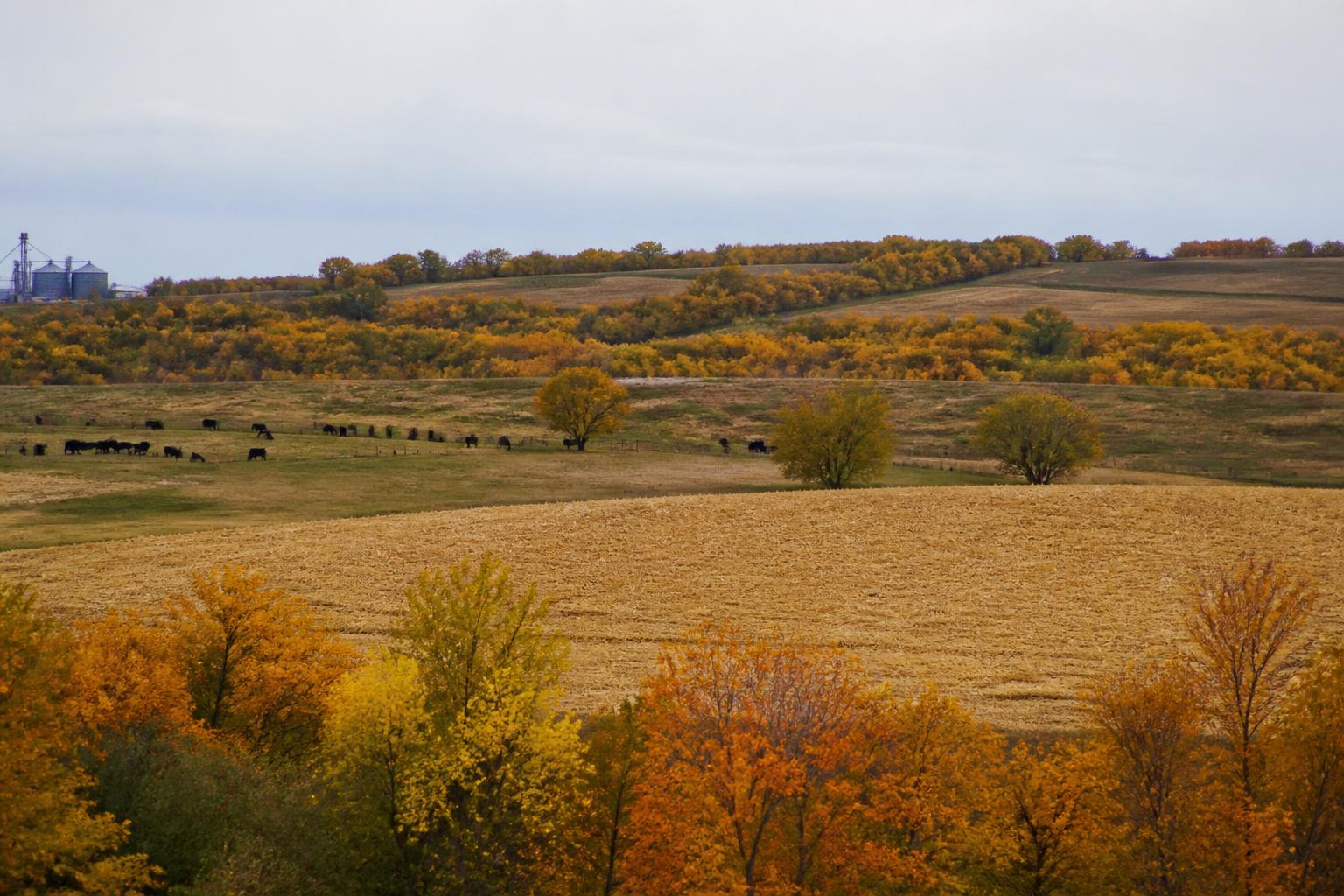
As the fall harvest progresses across South Dakota, producers are balancing a mix of fluctuating field conditions and broader market variables. While recent reports indicate improvements in certain crop stands, regional pockets continue to navigate the lingering effects of earlier dry weather, which impacted both hay yields and pasture availability. For many cattle producers, this shift has meant adjusting management plans sooner than anticipated to account for diminished forage resources.
Stabilizing Input and Asset Management
The current agricultural landscape in the state emphasizes the need for proactive risk mitigation. Whether dealing with the logistics of moving grain from the field or securing feed supplies for the winter months, volatility in regional conditions often necessitates a flexible approach to resource management. Those involved in the supply chain continue to see the importance of protecting South Dakota crop stability through rigorous monitoring and strategic stockpiling of essential inputs.
Infrastructure and Legislative Context
Beyond the field, the industry continues to eye developments in processing capacity and federal policy. The expansion of pork facilities, for instance, serves as a vital anchor for regional market demand, helping to insulate some producers against broader commodity price swings. Meanwhile, agricultural stakeholders remain attentive to ongoing legislative discussions, such as the push for new farm bill progress, which is expected to shape future support programs and long-term protection strategies for the industry.
Strategic Planning for Winter
With the harvest season in full swing, effective navigating market volatility and harvest logistics in South Dakota requires an integrated view of local infrastructure. Producers and transporters are coordinating closely to ensure that limited elevator space and transport capacity do not bottleneck the flow of goods. By staying updated on South Dakota harvest pace and processing growth, agribusinesses can better anticipate the logistical hurdles typical of this time of year.
What it means for the market
The South Dakota market is currently defined by a necessity for operational agility. Farmers who prioritize early feed procurement and maintain robust risk management plans for their stored grain will likely be better positioned to navigate the winter months. Monitoring regional infrastructure capacity remains essential as the industry continues to adapt to the evolving demands of both domestic processing needs and broader market conditions.
Comments
No comments yet - be the first to share your take.