
Delta Logistics and Crop Protection Supply Chains
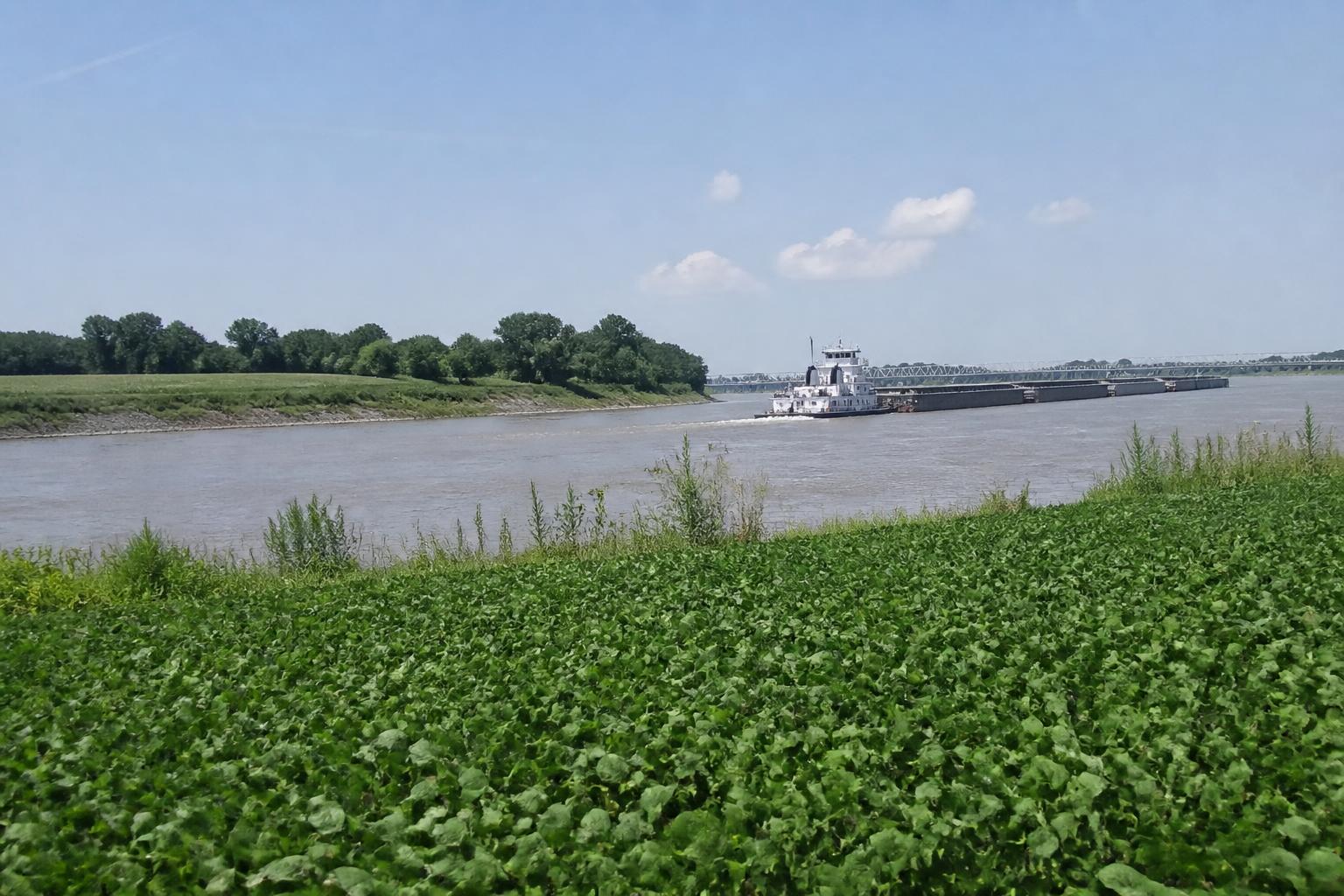
In Mississippi, the agricultural supply chain relies heavily on the state's proximity to the Mississippi River and major transport corridors like US Highway 61 and Interstate 55. However, low water levels on the river can frequently trigger draft restrictions, forcing barge operators to carry lighter loads and reducing overall shipping capacity. These transit constraints can create a domino effect, delaying bulk shipments of chemical active ingredients and regional crop inputs.
To safeguard against late-season shortfalls, ag retailers and growers in counties like Sunflower, Washington, and Bolivar are focusing on early sourcing and on-farm storage. Understanding Mississippi crop protection supply security and stewardship helps growers prepare for these seasonal bottlenecks and ensures that critical herbicides and fungicides are on hand when pest thresholds are crossed.
Because river freight delays can raise localized trucking rates, managing supply lines is a priority. Navigating Mississippi ag transport infrastructure challenges remains essential for maintaining steady access to both crop protection products and bulk nutrients during high-demand summer months.
Managing Summer Weeds and Insect Pressure
Mississippi crop production has faced its share of early-season challenges, but there remains cautious optimism for a strong cotton and row crop harvest. To reach maximum yield potential, growers must defend fields against aggressive summer weed species, including glyphosate-resistant Palmer amaranth (pigweed) and morningglory, which thrive in hot, humid Mississippi Delta conditions.
In addition to weed control, insect pressure typically intensifies during the summer. Cotton growers must closely monitor plant bug populations, while soybean producers watch for defoliating caterpillars and stink bugs. Maintaining a rotation of chemistries with different modes of action is crucial to delaying resistance, a persistent challenge in the intensive agricultural systems of the Deep South.
For those looking to coordinate macro-nutrient applications alongside late-season crop protection, reviewing the latest Mississippi summer fertilizer outlook provides a helpful framework for balancing nutrition and crop health strategies simultaneously.
Stewardship and Precision Application
High summer temperatures also bring the risk of atmospheric inversion and chemical drift. Mississippi growers are encouraged to prioritize stewardship by utilizing modern nozzle technologies, drift-reduction agents, and precise application windows. Managing droplet size and monitoring wind speeds helps keep valuable chemistry on the target crop, protecting neighboring fields and maintaining community trust.
Key Summer Management Takeaways
- Scout Early and Often: Monitor weed and insect thresholds weekly to optimize chemical application timing.
- Secure Logistics: Work closely with local retailers to anticipate any river-related freight delays on key inputs.
- Prevent Drift: Utilize appropriate nozzle configurations and pay close attention to wind and humidity levels during daytime applications.
What it means for the market
The success of Mississippi's summer crop protection campaigns will directly influence regional yield outcomes for corn, cotton, and soybeans. While logistics along the inland waterways system present ongoing hurdles, proactive sourcing and strict field stewardship can help Delta growers bypass supply bottlenecks. By protecting current crop potential through the dog days of summer, producers can position themselves to capitalize on seasonal market opportunities as harvest approaches.
Comments
No comments yet - be the first to share your take.