
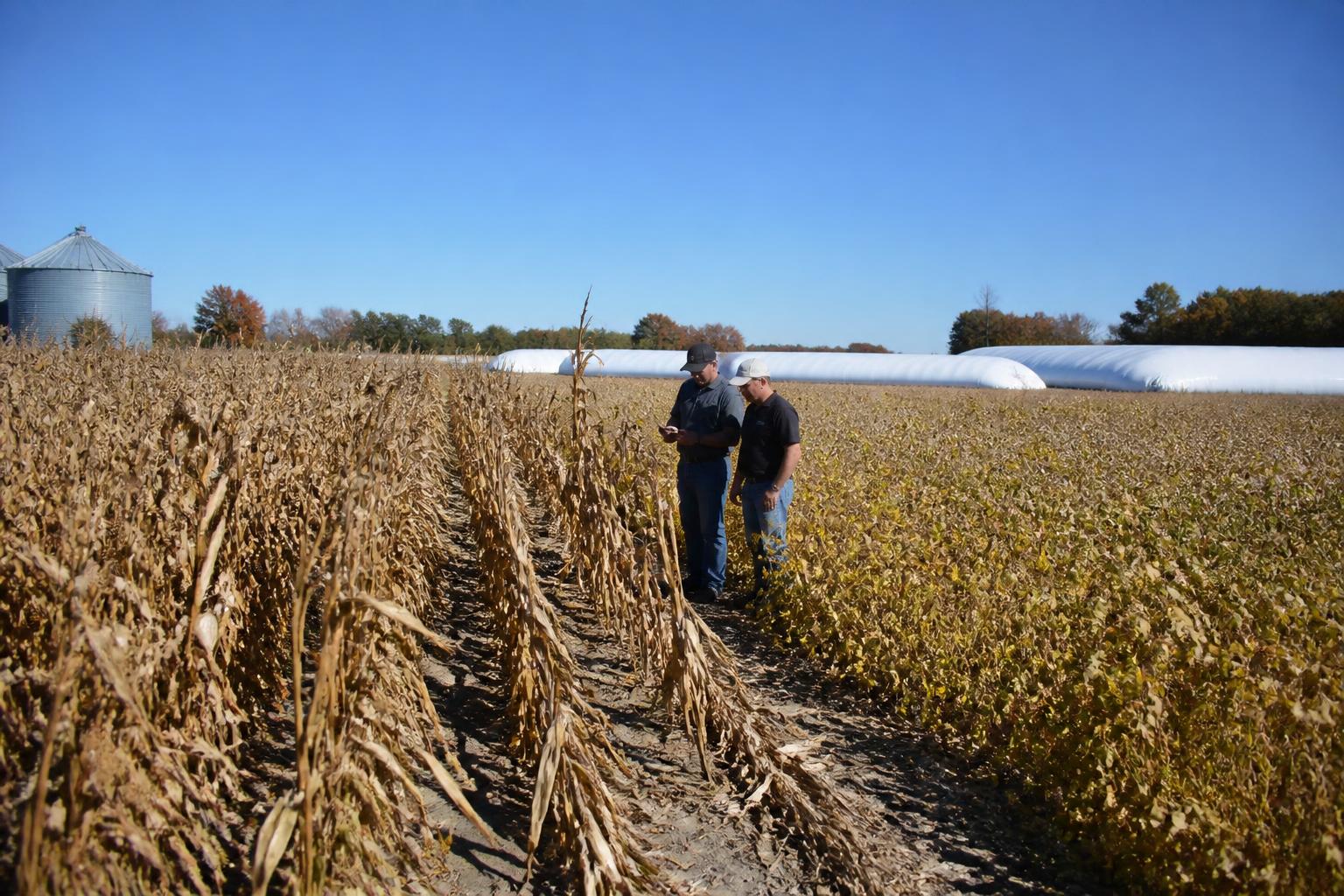
Recent rainfall across parts of Missouri has brought a sense of optimism to the field as producers work through the current fall harvest. For many farmers, these timely moisture events have been essential for stabilizing late-season crop development, offering a welcome shift in the outlook for yield consistency following a challenging growing period.
As harvest activity accelerates, the focus remains on logistical efficiency and the management of on-farm capacity. Many growers are finding that investing in flexible infrastructure, such as grain bagging systems, has become a practical strategy to bridge the gap between harvest speed and commercial elevator bottlenecks. This shift toward localized storage helps producers maintain harvest momentum while navigating the seasonal pressures often seen during peak delivery windows.
Optimizing On-Farm Storage
With the variability of weather patterns impacting harvest timelines, the ability to store grain on-farm provides a significant tactical advantage. By reducing the immediate reliance on regional elevator throughput, farmers can effectively prioritize harvest windows when conditions are most favorable. This flexibility is increasingly vital as producers look for ways to manage logistics effectively throughout the state, ensuring that harvested grain is handled with care and stored securely until market conditions are optimal for sale.
Focusing on Market Integrity
Beyond logistics and weather, the industry continues to emphasize the importance of market transparency and standard practices. Recent legal developments concerning grain fraud underscore the necessity for producers and handlers to maintain rigorous records and uphold quality standards, particularly within specialty markets like organic grain. Maintaining trust in the supply chain remains a key component of protecting the value of Missouri-grown commodities.
What it means for the market
The convergence of improved crop outlooks and proactive storage management suggests that Missouri producers are well-positioned to navigate the remainder of the fall season. While infrastructure hurdles persist, the trend toward on-farm investment offers a buffer against logistics-related delays. Market participants should monitor local elevator capacity closely over the coming weeks as the pace of harvest continues to dictate immediate movement and storage requirements.
Comments
No comments yet - be the first to share your take.