
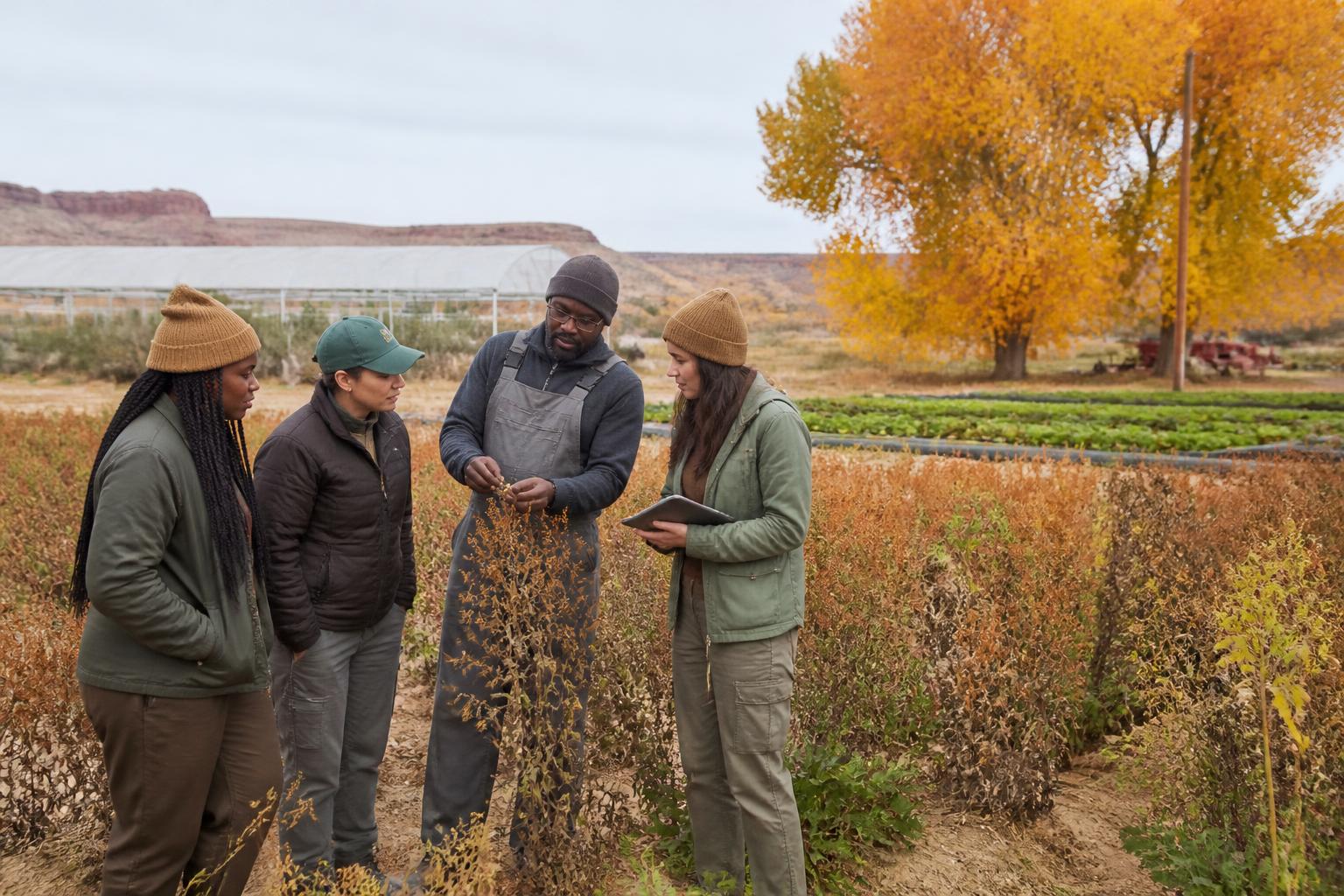
As the fall harvest season deepens across Nevada, producers are increasingly focused on refining their input management strategies. With the agricultural sector continuing to adapt to shifting market demands, the integration of new crop protection solutions is becoming a priority for those looking to maintain high yields and soil health in varied regional conditions.
Recent industry developments highlight a shift toward more advanced, collaborative approaches to farm inputs. A new joint venture between Corteva and Globachem, for example, aims to accelerate the development and commercialization of formulated crop protection products. For Nevada growers, who often balance limited water resources with the need for high-value production, access to these refined technologies can provide a necessary edge during critical growth and protection windows.
Leveraging Precision for Operational Resilience
Efficiency remains the watchword for producers across the Silver State, from the high-desert landscapes to the productive valleys of Fallon. Many operations are exploring diverse avenues to optimize resource use, ranging from managing farm input protection to implementing advanced resource management in fall fields. The adoption of precision tools, including potential future use of robotics and drone integration, may help growers better target applications and reduce waste.
Beyond traditional field crops, there is a growing interest in controlled environment agriculture. Educational initiatives, such as those from the University of Nevada, Reno, focusing on hydroponic vegetable production, offer growers additional flexibility in how they structure their operations. These methods often require specialized approaches to crop protection, emphasizing the need for producers to stay informed on the latest regional management practices.
Sustainability and Circular Opportunities
Nevada agriculture is also finding unique ways to support a circular economy. The establishment of infrastructure for processing agricultural waste into graphite signals a shift in how producers might eventually view farm byproducts. By turning harvest remnants into industrial inputs, the state continues to find ways to derive added value from its traditional farming operations, potentially offsetting some of the volatility inherent in current market cycles.
What it means for the market
For Nevada's agribusinesses and input buyers, the current environment points toward a need for agility. As new crop protection technologies emerge and local production methods diversify, keeping a close watch on regional crop protection shifts will be essential. Producers who prioritize efficient input allocation and explore technology-driven productivity improvements are best positioned to navigate the seasonal uncertainties often faced during the fall months.
Comments
No comments yet - be the first to share your take.