
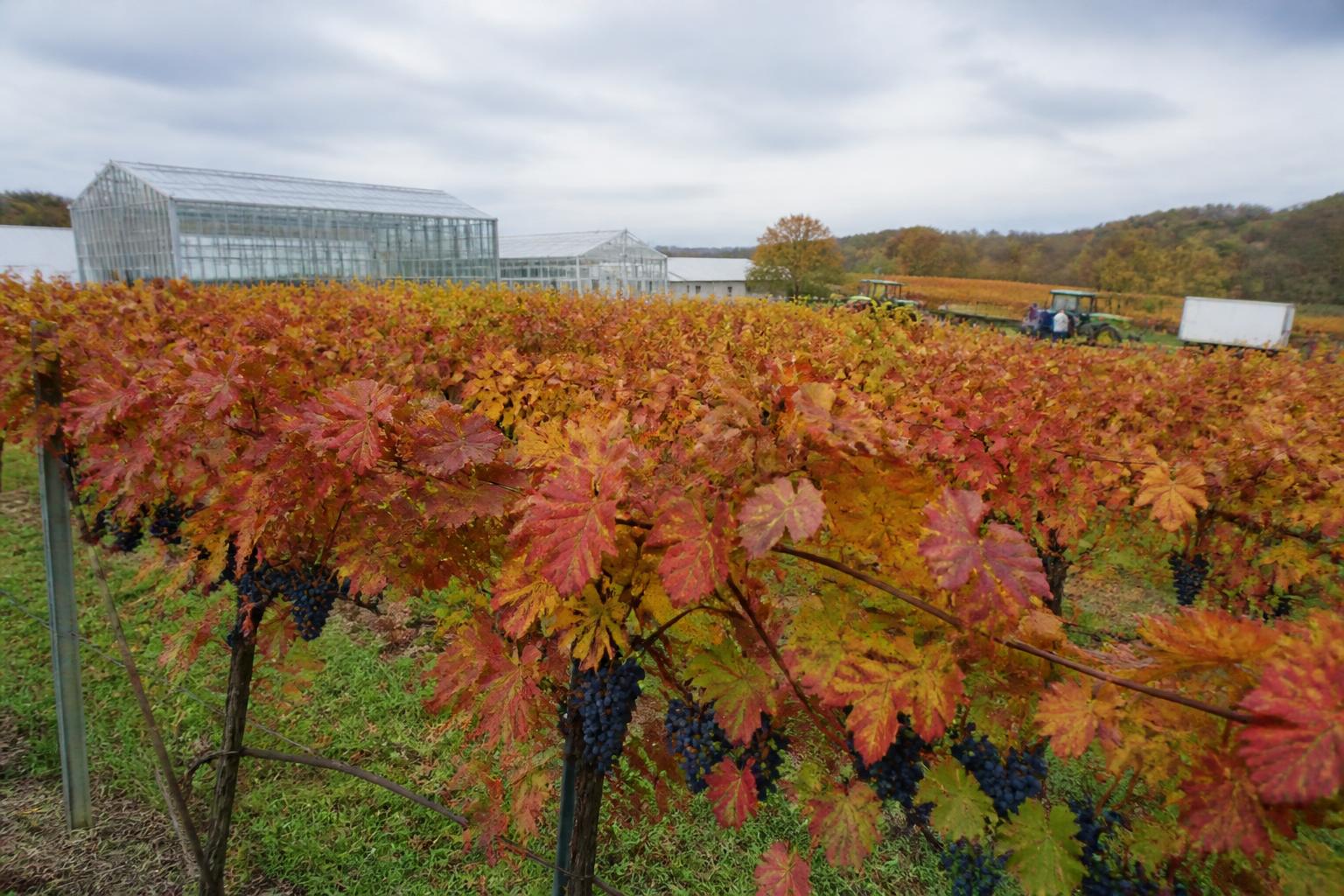
As the fall harvest gains momentum across Ohio, producers are closely monitoring crop performance amid a season marked by early-year developmental variability. While field conditions have generally allowed for progress, the range in maturity across local corn and soybean acres means that timing remains a critical factor for both moisture management and storage logistics. Farmers in many areas are balancing these field-level variables with the broader reality of grain flow management as elevators prepare for peak influx.
Managing Logistics and Storage Capacity
For many Ohio operations, the efficiency of the upcoming weeks hinges on balancing field speed with downstream capacity. Those navigating harvest logistics and market volatility often find that early coordination with local elevators can mitigate bottleneck risks on critical transit corridors. As grain begins to move in higher volumes, maintaining a steady pace helps avoid the common headaches of limited storage space and wait times at regional hubs.
Furthermore, evaluating existing storage infrastructure is a seasonal priority. For growers looking to hold inventory, assessing on-farm grain storage and safety is essential, particularly when handling crops with inconsistent moisture profiles. Ensuring that aeration systems and monitoring tools are calibrated correctly can prevent losses and support better marketing outcomes later in the season.
Looking Ahead
Beyond the immediate field work, the sector continues to watch weather patterns closely. Late-season conditions play a significant role in determining final crop outcomes, influencing everything from drying requirements to potential field accessibility. Agribusinesses and logistics providers remain on high alert, ready to adapt to shifting volumes as harvest reaches its later stages.
What it means for the market
The current market environment demands a high degree of precision in both harvest management and inventory storage. For producers, the ability to effectively manage local logistical hurdles, monitor grain quality in storage, and stay informed on shifting market dynamics will be the key to maximizing returns as the 2026 season concludes.
Comments
No comments yet - be the first to share your take.