
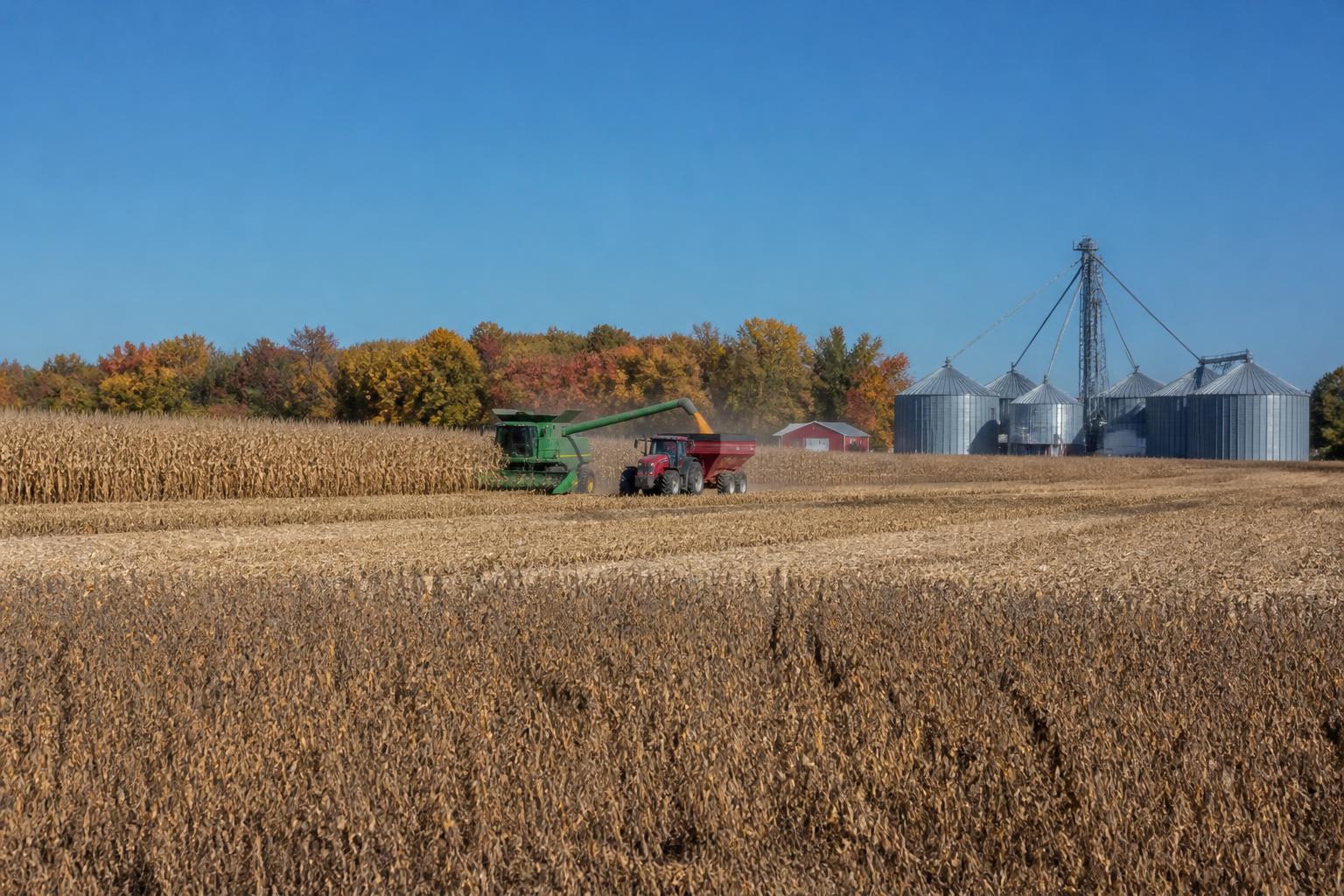
The 2026 fall season in Minnesota has presented a complex operational landscape for local producers. With some corn and soybean crops maturing behind the typical schedule, the window for efficient harvest and storage is tighter than usual. Farmers across the state are balancing the need for moisture management with the logistical realities of securing adequate bin space during the peak delivery season.
Amid these conditions, managing harvest flow and infrastructure remains a top priority. Many operations are turning to forward contracting as a strategic response to localized storage constraints and the fluctuations seen in regional grain bids. The ability to lock in delivery schedules can provide much-needed stability for agribusinesses and grain handlers currently managing the uneven pace of incoming tonnage.
Infrastructure and Capacity Trends
Investment in regional infrastructure continues to evolve, evidenced by ongoing expansion efforts at grain facilities in northern Minnesota. These infrastructure upgrades are critical for maintaining fluidity in the supply chain as volume fluctuates due to variable maturity across different counties. For truckers and elevator operators, keeping tabs on local capacity is essential as fields reach harvest readiness in stages.
Proactive Planning for Market Volatility
The current market environment encourages a careful look at both immediate logistics and long-term financial risk. With USDA grain bids showing mixed signals across the Midwest, producers are finding that early planning—much like the benefit seen by those who secured fertilizer supplies ahead of seasonal price spikes—is often the most effective hedge against mid-harvest uncertainty.
What it means for the market
For Minnesota producers, the combination of late-season maturity and storage pressures requires a heightened focus on logistics. Success this fall will depend on flexible contracting, close coordination with local grain handlers, and efficient use of regional storage assets to navigate the remainder of the harvest window.
Comments
No comments yet - be the first to share your take.