
Navigating Volatility and High Asset Costs
Volatility in the global grain market remains a constant factor this summer, requiring growers to plan carefully for sudden price swings. High machinery and input costs are driving many operators to make strategic asset decisions, focusing on optimizing their existing fleets rather than purchasing new equipment. Ensuring that machinery is calibrated and operated correctly is critical, as even minor errors during field operations can significantly impact final yields and quality.
For many New England growers, navigating these tight margins means turning to regional resources and digital management tools. Utilizing detailed local forecasts, such as the Massachusetts grain and input outlook, helps producers align their purchasing decisions with broader market trends. When equipment costs are high, maximizing the lifetime value of planters, tractors, and handling gear becomes the primary buffer against financial risk.
High-Capacity Handling and Logistics Innovations
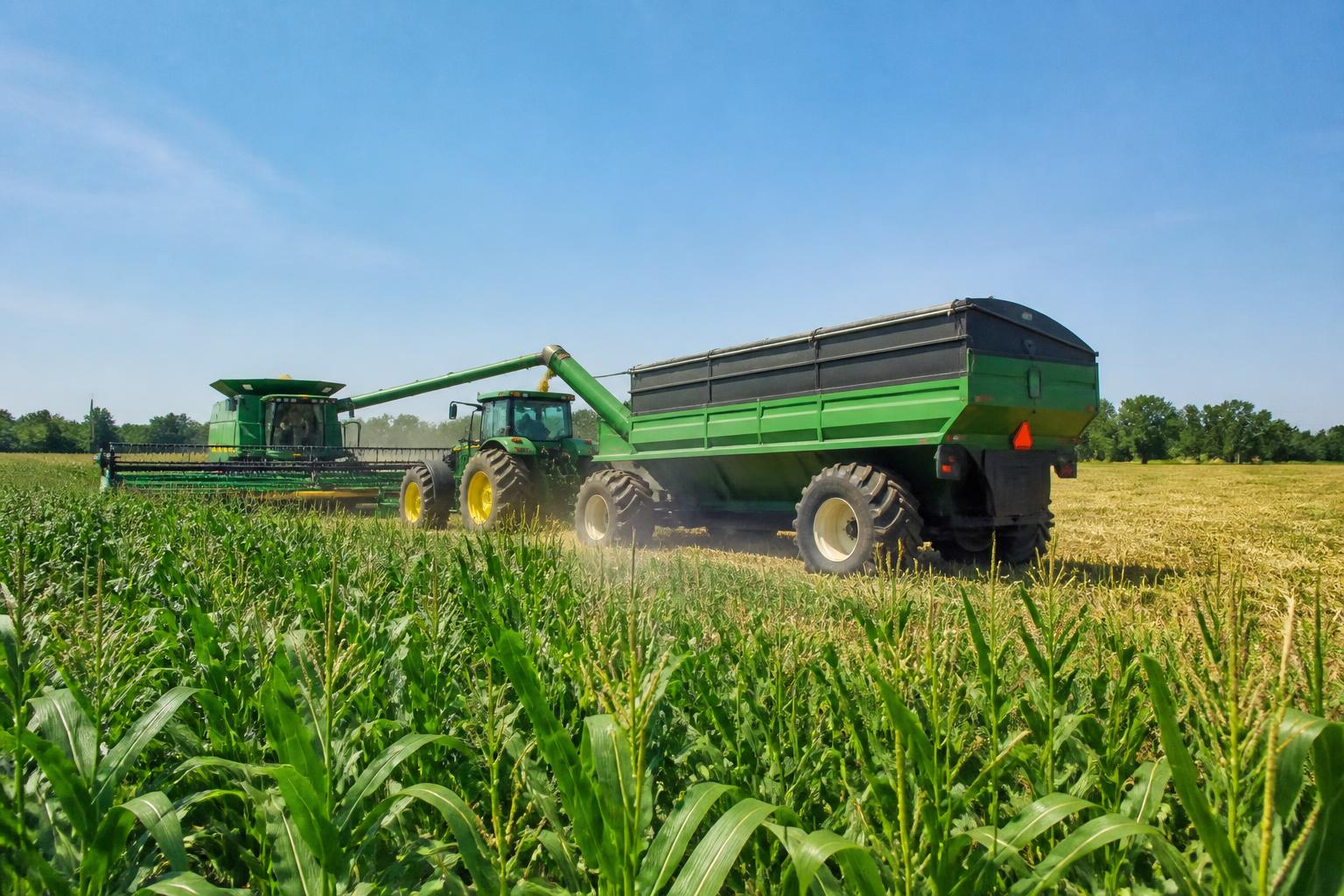
Recent field demonstrations have highlighted new trends in harvesting and handling technology, emphasizing increased capacity and enhanced safety. Manufacturers have introduced larger, highly sophisticated grain carts designed to handle higher throughput with minimal field compaction. These innovations are particularly useful for regional logistics hubs and feed distributors who must transfer grains quickly and safely to meet local demand.
In Massachusetts, where fields are often smaller and more fragmented than in the Midwest, having highly maneuverable and high-capacity transfer equipment helps minimize bottlenecks. Quick, safe transfers from the field to the grain bin ensure that grain quality is preserved, reducing the risk of spoilage during humid summer days.
Safeguarding Precision Tech and Quality Control
Modern precision agriculture relies heavily on stable satellite networks, but operators are being cautioned to prepare for potential space weather disturbances. Solar flares and magnetic storms can disrupt GPS guidance systems, which are essential for precision planting, spraying, and harvesting. Having manual backup plans or monitoring space weather updates can prevent unexpected downtime during critical summer operations.
At the same time, quality control is becoming more automated. The growing adoption of grain protein content analyzer sensors allows elevators and buyers to segregate grain more efficiently. By identifying and separating grain based on protein quality, operators can target premium markets, ensuring that high-quality local grain receives its maximum value.
Key Takeaways for Massachusetts Operators
- Calibrate existing machinery: Focus on precise operator training and equipment maintenance to avoid wasting seed, fertilizer, and fuel.
- Monitor GPS alerts: Stay informed about potential space weather and satellite disruptions that could affect precision field guidance.
- Leverage grain segregation: Consider utilizing sensor technologies to separate grains by quality and protein content to secure better market premiums.
What it means for the market
For the Massachusetts grain and agricultural feed sectors, the theme of summer 2026 is operational resilience. High equipment costs demand that every pass in the field count, while advanced handling and sensor technologies provide a pathway to protect grain value. By focusing on maintenance, staying adaptable to technological disruptions, and closely monitoring market volatility, local agribusinesses can successfully navigate the seasonal shifts.
Comments
No comments yet - be the first to share your take.