
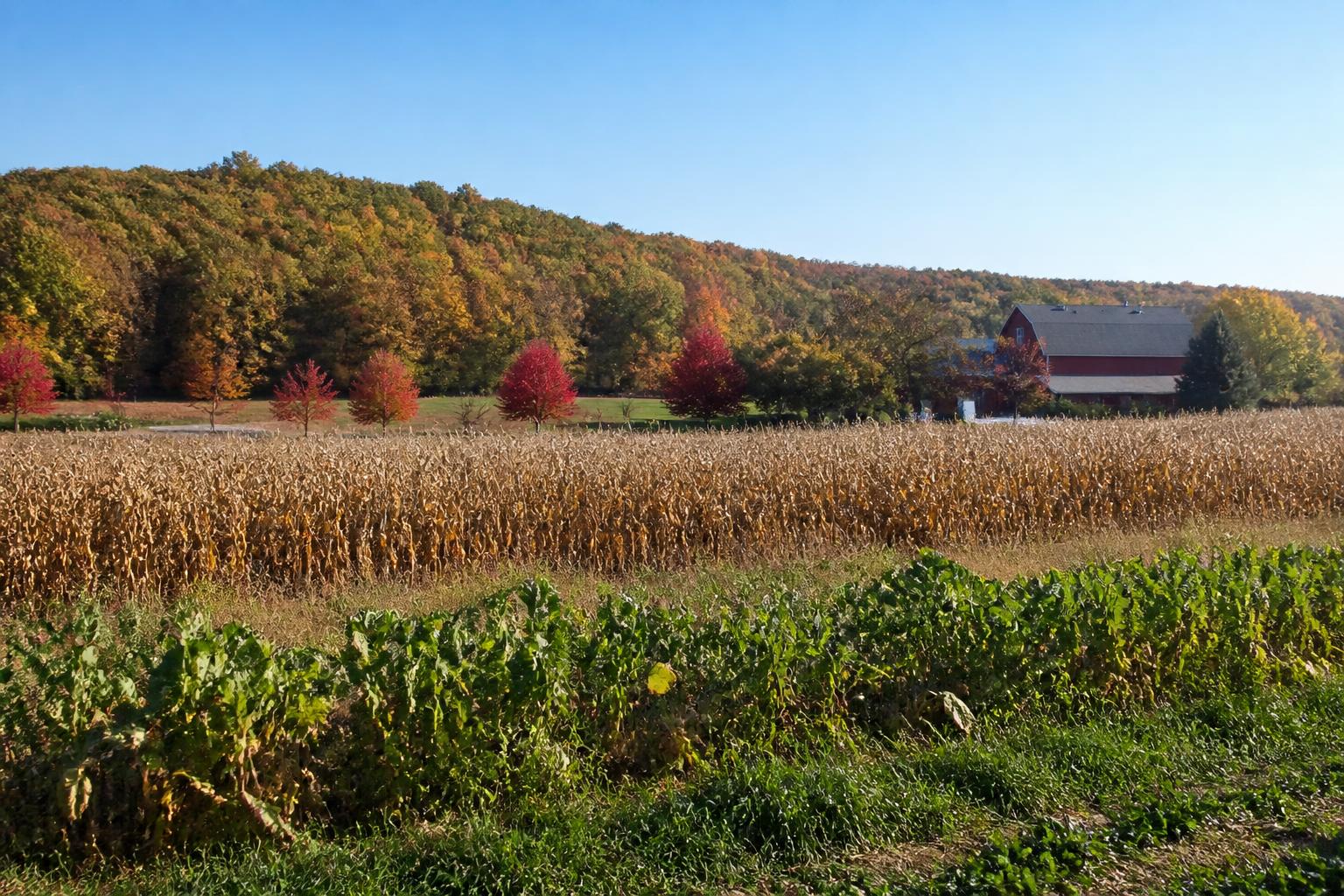
As New York farmers move deeper into the fall season, the focus shifts toward securing the next production cycle against mounting biological threats. Regional reports indicate that glyphosate-resistant waterhemp is increasingly complicating crop protection strategies. This development necessitates a shift toward more diversified herbicide programs and integrated management practices to protect yields that may have already faced pressure from volatile weather patterns earlier in the year.
Adapting to Herbicide-Resistant Threats
The spread of resistant weeds, such as waterhemp, serves as a reminder of the need for rigorous field scouting and the implementation of multi-layered control tactics. For many operations in New York, relying on a single mode of action is no longer sufficient to keep fields clean. Growers are increasingly looking at diverse crop rotation and mechanical control options as essential components of a resilient input management strategy. Staying ahead of these biological shifts is crucial for maintaining long-term land productivity.
Investing in Long-Term Farm Sustainability
While pest management remains a logistical and financial challenge, the state continues to provide support through significant farmland protection initiatives. With recent state-level funding announcements exceeding $48 million for farmland protection grants, there are meaningful opportunities for producers to offset operational costs while investing in permanent conservation measures. These programs often align with broader sustainability goals, such as those recognized by the AEM-Leopold Conservation Award, which highlights how effective resource management and planning can stabilize a farm's future in an uncertain climate.
What it means for the market
For agribusinesses and growers, the intersection of rising input resistance and available conservation funding creates a dual-track necessity: short-term investment in adaptive weed control and long-term participation in state-sponsored land protection. As regional supply chains remain fluid, producers who prioritize early planning for crop inputs and engage with state conservation resources will likely be better positioned to navigate both the economic and biological pressures of the upcoming growing season.
Comments
No comments yet - be the first to share your take.