
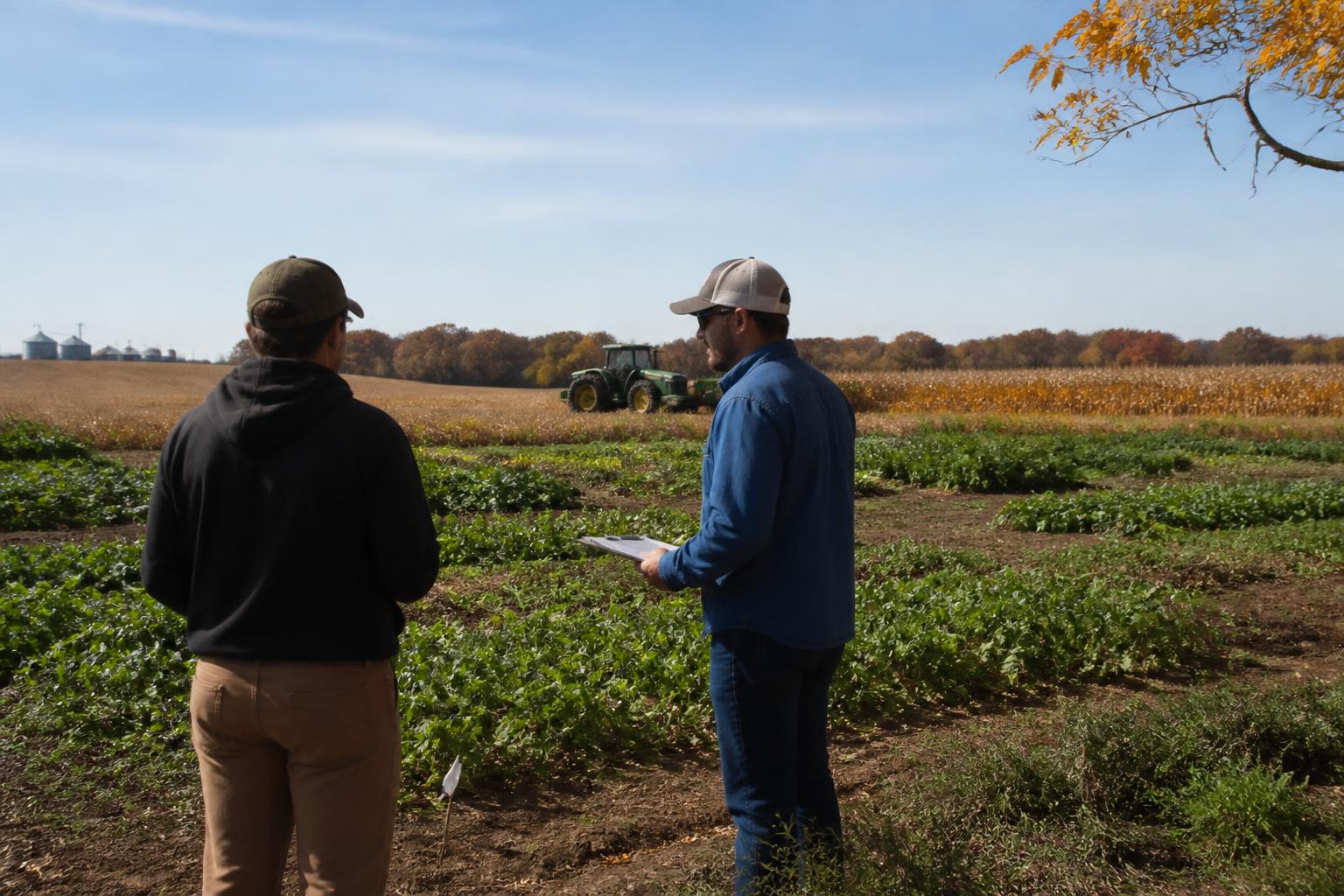
For Oklahoma farmers, the current fall window is a critical period for balancing immediate field tasks with long-term soil health and productivity goals. As harvest concludes and preparations for the next cycle intensify, producers are increasingly cautious about input timing, particularly regarding fertilizer applications in a climate known for its moisture variability and regional extremes.
While the urge to secure fertility programs early is common, many experts note that fall-applied fertilizer may not always yield the best return on investment across the state's diverse geography. Decisions this season often hinge on soil testing and site-specific needs, as producers strive to optimize efficiency and mitigate potential nutrient loss before the spring runoff.
Evaluating New Tools and Soil Health
Beyond traditional fertilizer management, the adoption of specialized inputs continues to influence regional protection and management strategies. Innovations such as liquid bio-capsule technology are entering the market, designed to enhance the effectiveness of biologicals and traditional chemistry. These tools represent a shift toward more precise, concentrated applications intended to improve crop resilience.
Additionally, ongoing studies into the use of biochar continue to draw interest, as researchers investigate how these amendments may impact long-term soil productivity. For producers balancing these technological advancements with operational water and land resiliency efforts, the focus remains on building a robust foundation that can withstand Oklahoma's periodic weather stressors.
Logistical Considerations for Panhandle Operations
Producers in the Panhandle and other high-production regions continue to face unique logistical and operational challenges, from soil quality to the management of nearby energy infrastructure. As farm operations reconcile these pressures, maintaining flexibility in input procurement and storage has become a standard approach to navigating regional volatility.
What it means for the market
The current landscape indicates a trend toward high-precision management. As growers look toward the upcoming season, the emphasis remains on data-backed input decisions and environmental stewardship. For agribusinesses and input providers, the ability to support localized agronomic needs and offer flexible, efficient technology solutions will be the key to maintaining market share in an environment where margins are tightly monitored.
Comments
No comments yet - be the first to share your take.