
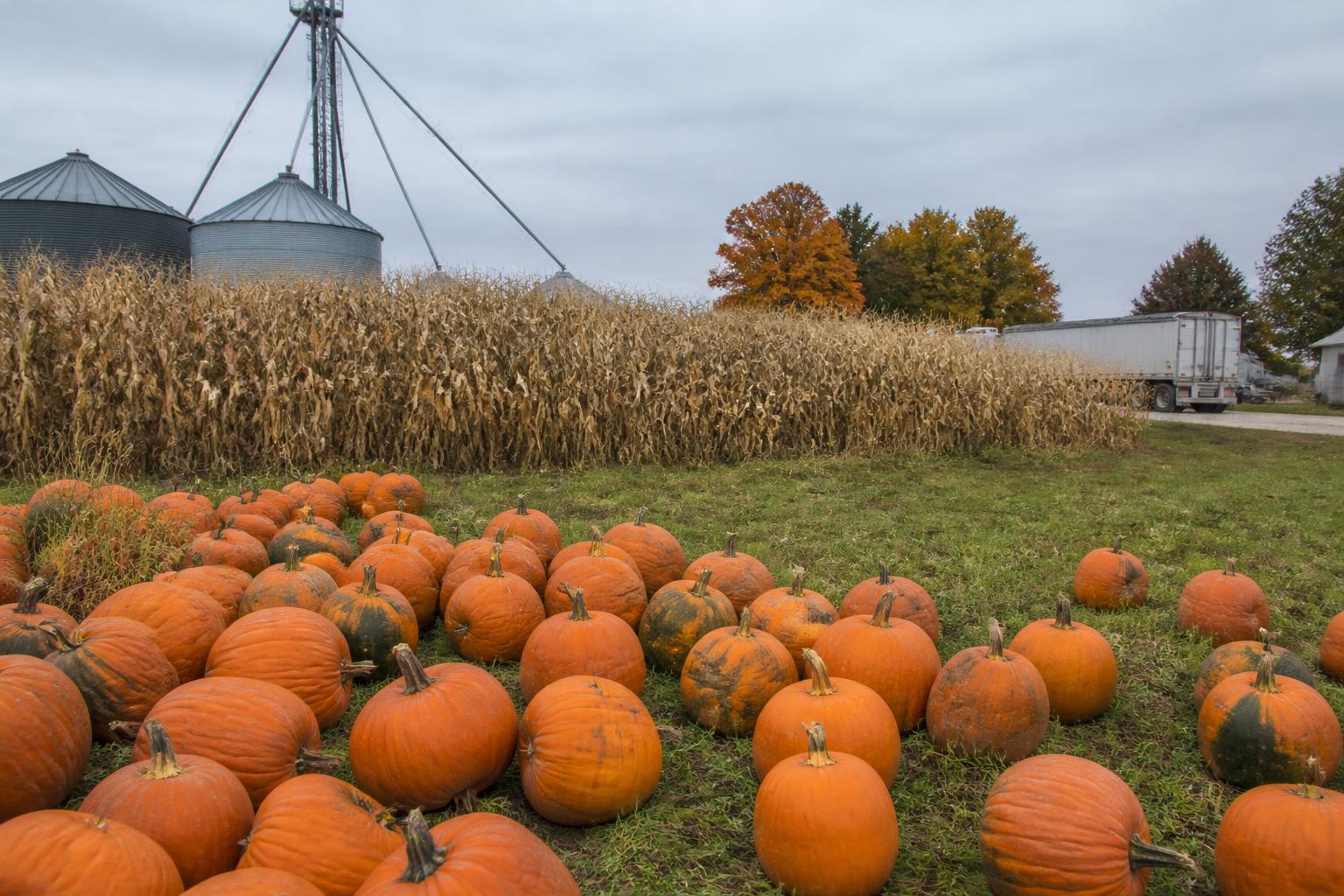
As the fall harvest season progresses across Connecticut, agricultural producers are managing a complex mix of market volatility and field-level operational adjustments. While recent data indicates some shifts in regional commodity pricing, growers remain focused on protecting yields from late-season environmental impacts. The interplay between shifting grain valuations and the cost of managing specialized crops continues to influence how local farms approach their end-of-year planning.
For many producers, the current market climate serves as a reminder of the importance of maintaining resilient infrastructure. Whether you are moving late-season harvests through local corridors or refining your storage strategies, understanding the nuances of local agricultural logistics can help mitigate the pressure of fluctuating operational costs. Strategic planning in the face of these market changes is essential for maintaining margins through the winter months.
Managing Environmental and Market Risks
Producers are often balancing the immediate requirements of the harvest with long-term crop protection strategies. Recent reports have highlighted the ongoing need for monitoring invasive pests that may threaten nursery stock and regional specialty crops. Coupled with the environmental stressors that have impacted various fruit and vegetable sectors this year, maintaining robust crop protection protocols remains a priority for many Connecticut operations.
Market Outlook and Operational Efficiency
In addition to field challenges, the broader commodities market continues to see reactive shifts. Recent fluctuations in corn pricing suggest that local grain handlers and agribusinesses should remain agile, closely watching national trends that often dictate regional procurement patterns. While specific prices for seasonal goods like pumpkins have reflected broader inflationary pressures, the focus for most agribusinesses remains on stabilizing input costs and maximizing the efficiency of post-harvest operations.
What it means for the market
The current landscape indicates that resilience is the primary driver for Connecticut agriculture this fall. With commodity prices showing intermittent sensitivity and environmental risks remaining a constant factor, growers who prioritize logistics optimization and proactive crop health management are better positioned to weather the transition into the slower winter season. As we look toward the end of the year, maintaining a disciplined approach to inventory management and transport planning will be critical for sustaining regional competitiveness.
Comments
No comments yet - be the first to share your take.