
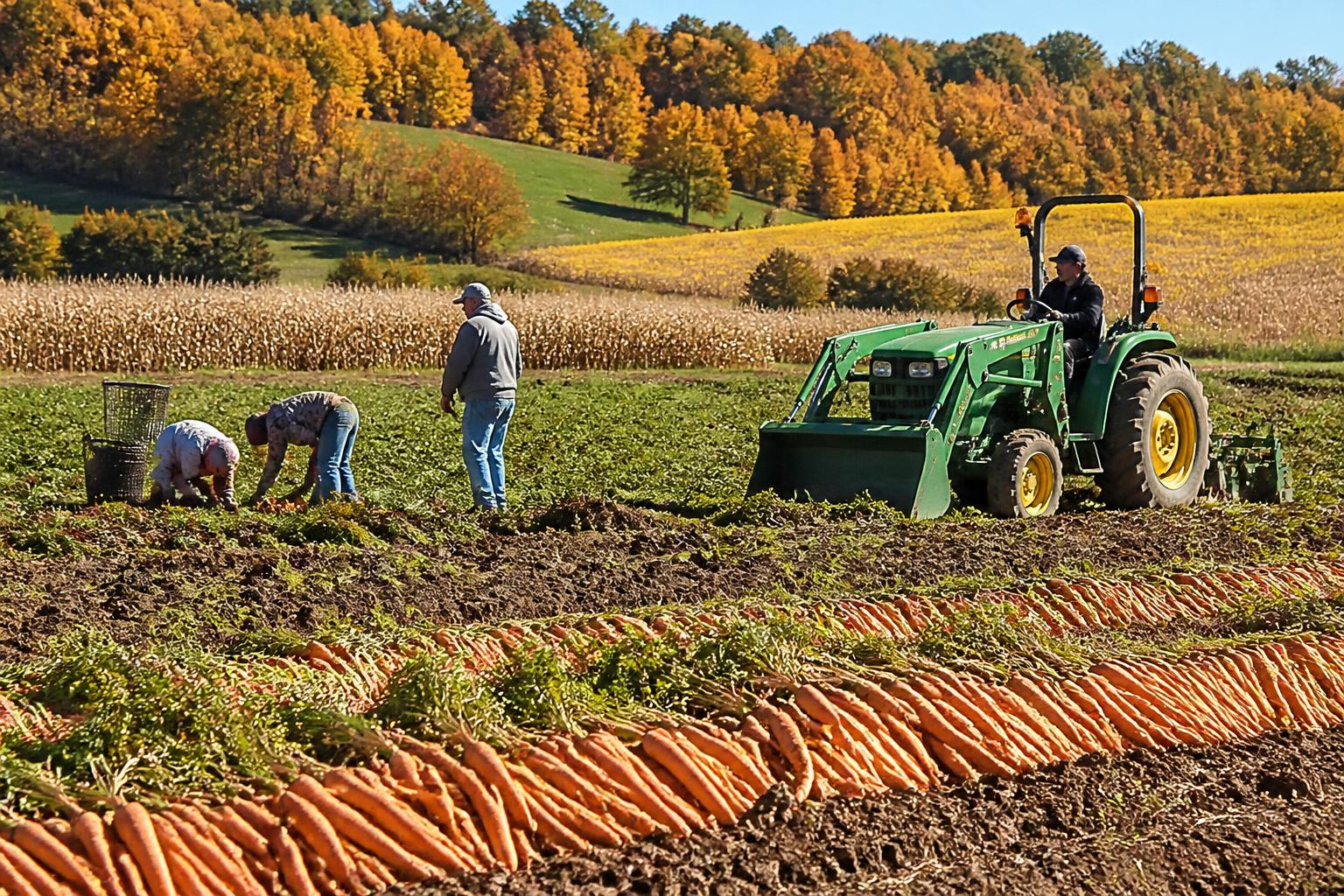
As Washington farmers move through the busy fall harvest season, the focus remains squarely on balancing operational productivity with the mounting pressures of regulatory compliance and technological vulnerability. From the Palouse to the fields of the Columbia Basin, the agricultural sector is managing a transition period marked by both record-setting yields in crops like winter canola and a persistent sense of uncertainty regarding federal oversight.
While recent successes in crop performance provide a degree of optimism, the broader landscape for many regional agribusinesses is becoming increasingly complex. Managing logistical hurdles and shifting trade dynamics remains a top priority for those looking to maintain profitability through the end of the year.
The Growing Importance of Crop Protection and Digital Security
Beyond traditional yield management, growers are being urged to treat digital infrastructure with the same level of care as physical crop protection measures. As precision agriculture tools and automated systems become standard in modern operations, the industry is seeing an increased focus on cybersecurity. Protecting sensitive production data and securing essential farm management systems against potential digital intrusions is evolving from a secondary concern to a core component of risk management for many Washington operations.
Furthermore, the reliance on specialized seed treatments and modern inputs continues to be a critical piece of the protection puzzle. Researchers and industry leaders emphasize that maintaining access to these tools is essential for keeping regional yields competitive while facing various, often overlapping, state and federal regulations.
Navigating Regulatory and Operational Delays
The regulatory environment remains a point of contention for many producers. Delays in administrative updates—such as those seen recently in specific chemical application rules—have created both relief and frustration as growers struggle to plan their seasonal schedules. This unpredictability in federal policy often complicates long-term decision-making, particularly for those heavily invested in export-oriented commodities.
Key Takeaways for Producers
- Data Integrity: Implement robust cybersecurity measures for automated field equipment and digital record-keeping.
- Input Planning: Monitor updates on chemical and treatment regulations closely to prevent last-minute operational pivots.
- Market Resilience: Continue focusing on efficiency in logistics to offset broader economic and policy-driven price volatility.
What it means for the market: Washington producers are entering the final quarter of the year under a cloud of regulatory scrutiny and increasing digital risk. The ability of agribusinesses to effectively manage these non-production variables will likely be a significant determinant of success, particularly as the sector works to maintain its foothold in both domestic and international markets despite the current climate of uncertainty.
Comments
No comments yet - be the first to share your take.