
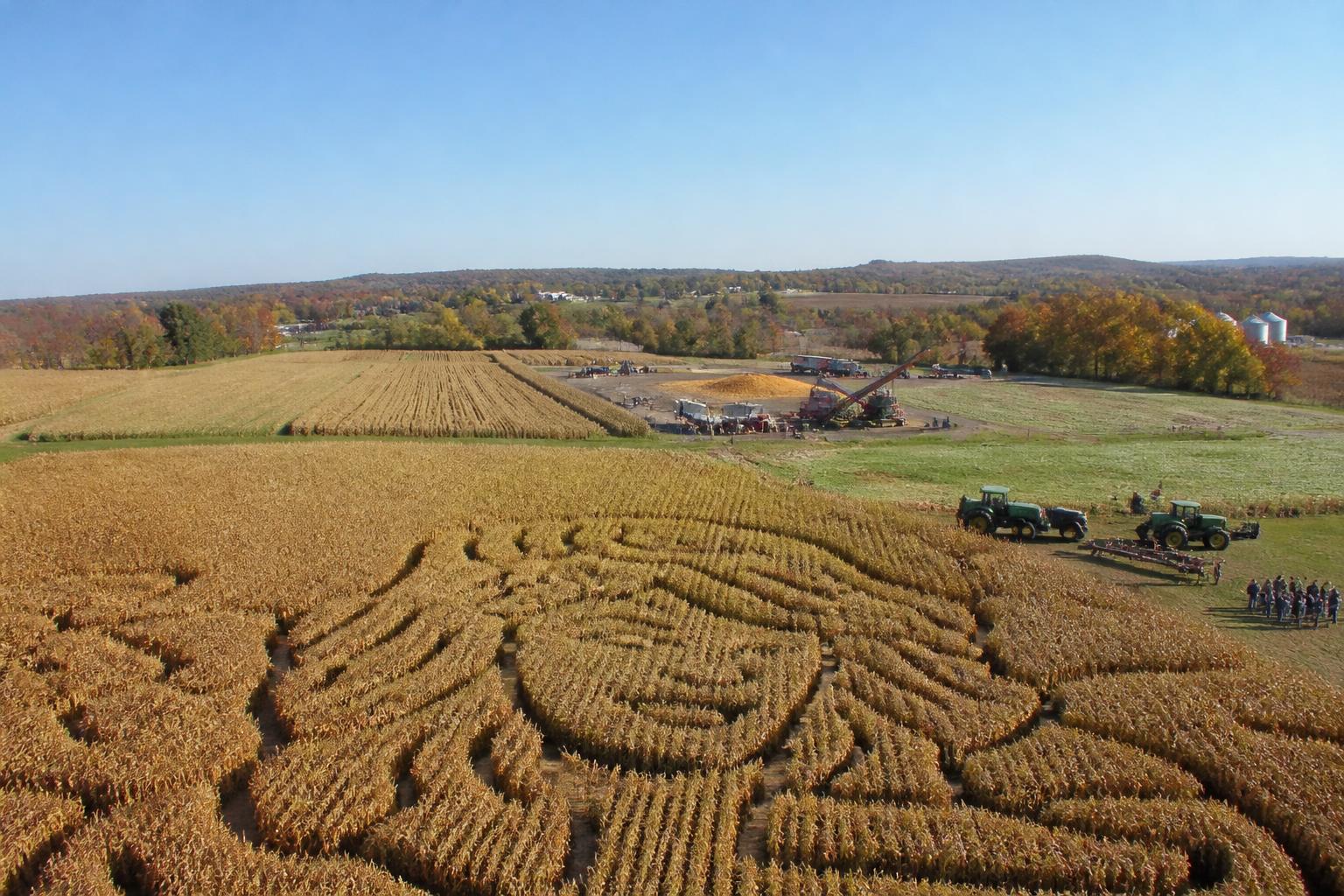
As we move deeper into the fall season, New Jersey's agricultural sector continues to navigate a complex environment defined by both logistical evolution and ongoing fiscal pressure. Producers across the state, from the northern highlands of Sussex County to the central regions, are recalibrating their operational strategies to handle rising input costs while staying focused on long-term viability.
Infrastructure remains a critical pillar for the region's market competitiveness. Recent expansion in cold storage capacity, particularly with new facility developments near major transit corridors like Elizabeth, reflects a broader industry push to improve local cold chain efficiencies. Such investments are vital for ensuring that high-value harvests maintain their quality during the critical transport window, ultimately providing a buffer against the volatility often seen in regional supply chain movements.
Strategic Shifts in Crop Management
Farmers are increasingly looking toward innovation to mitigate risk. New guidance on on-farm composting and the introduction of approved tools, such as updated herbicide options for corn production, highlight the importance of staying informed on regulatory developments. In parallel, research institutions and local academic partners are deepening their focus on pollinator health and climate-resilient crop varieties, which may play an increasingly large role in diversifying revenue streams as weather patterns evolve.
Input cost management continues to be a central topic of concern for producers. Collaborative discussions between stakeholders and policymakers have emphasized the need for consistent support through the Farm Bill and other relief channels to help operations manage these overheads. Understanding these trends is essential for growers as they evaluate their market positioning for the remainder of the year.
What it means for the market
For agribusinesses, handlers, and carriers operating in New Jersey, the current environment demands a proactive approach to logistics and resource planning. While economic pressures persist, the ongoing investments in regional infrastructure and research suggest a resilient outlook. Market participants who align their operational timelines with these logistical advancements and remain engaged with regional policy updates will be better positioned to navigate the seasonal shifts ahead.
Comments
No comments yet - be the first to share your take.