
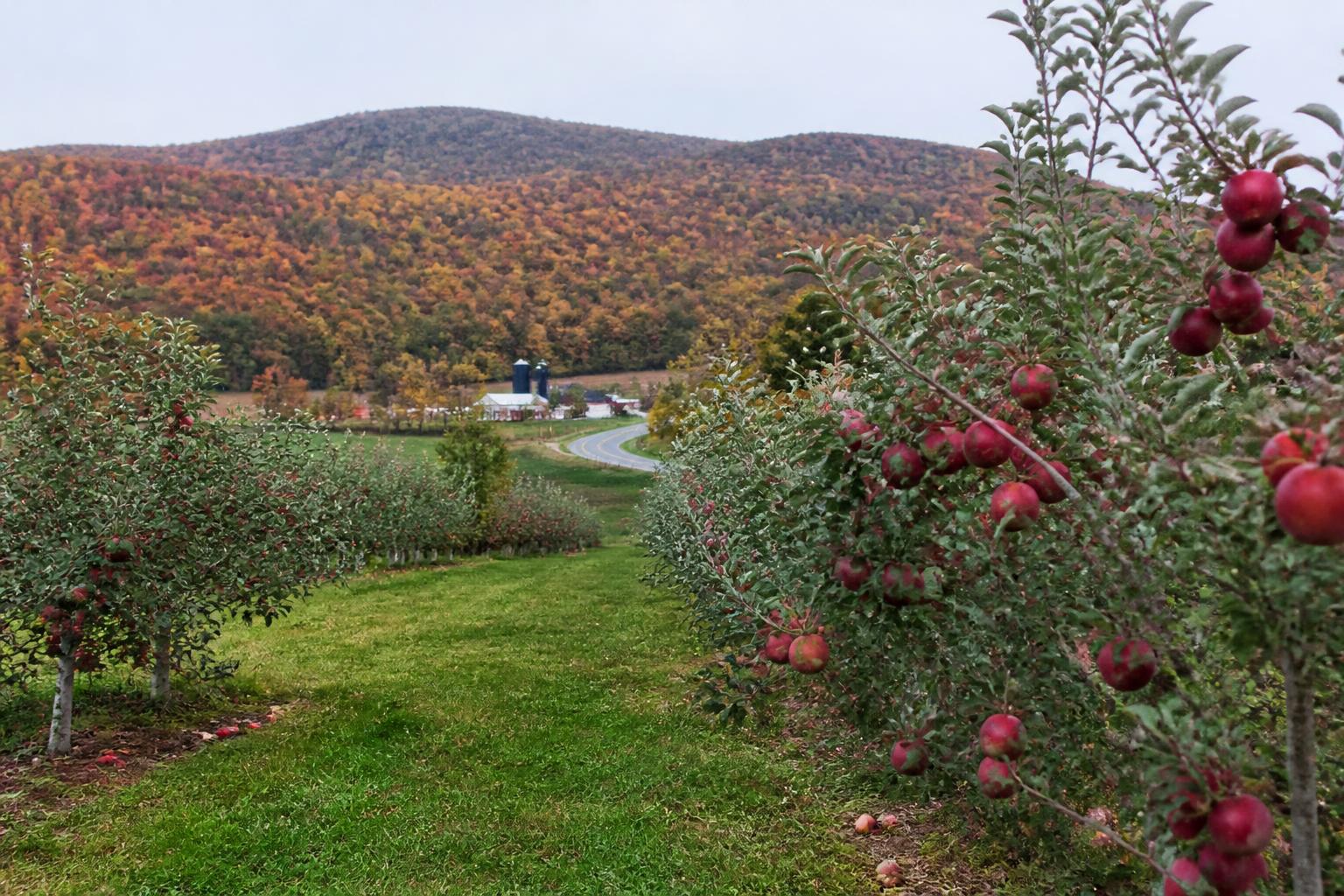
As West Virginia producers navigate the final stages of the fall harvest, the legislative environment is beginning to shift. Recent activity from the Senate Agriculture Committee indicates a renewed focus on policy frameworks that directly impact the state's farmers. These legislative discussions, which have recently touched upon the needs of local producers and the integration of new food production technologies, serve as a reminder that regulatory shifts often parallel the seasonal cycles of the industry.
For many farm businesses, staying informed on these legislative developments is as important as tracking current land use trends and market competitive pressures that affect profitability. Whether it is addressing emerging food sector innovations or supporting traditional farming practices, the committee's forward movement on these bills highlights a strategic interest in sustaining the viability of the state's agricultural backbone.
Monitoring Regulatory Shifts
Agribusinesses across the state, from independent livestock operations to diversified crop producers, are encouraged to keep a close watch on these committee advancements. While the details of the proposed bills are still evolving, they typically aim to clarify standards and provide support mechanisms for those working on the ground. Producers in valleys and rural regions should remain engaged with local farm bureaus to ensure their specific operational interests are represented as these proposals progress.
Logistics and Market Stability
Beyond the legislative halls, the fall season remains a critical window for transport and supply chain management. As harvest machinery shares the road with increased regional traffic, maintaining consistent logistics is essential. Market participants should continue to evaluate their exposure to supply chain volatility, particularly as regulatory changes or sudden shifts in food safety protocols can sometimes disrupt the flow of regional meat and produce markets.
What it means for the market
Legislative activity in the Senate Agriculture Committee suggests a proactive stance toward modernizing support for the state's agricultural sector. For producers, this means that while immediate operational focus remains on harvest efficiency and field prep, long-term business planning should now include considerations for upcoming policy updates that could impact production standards and market access in the coming year.
Comments
No comments yet - be the first to share your take.