
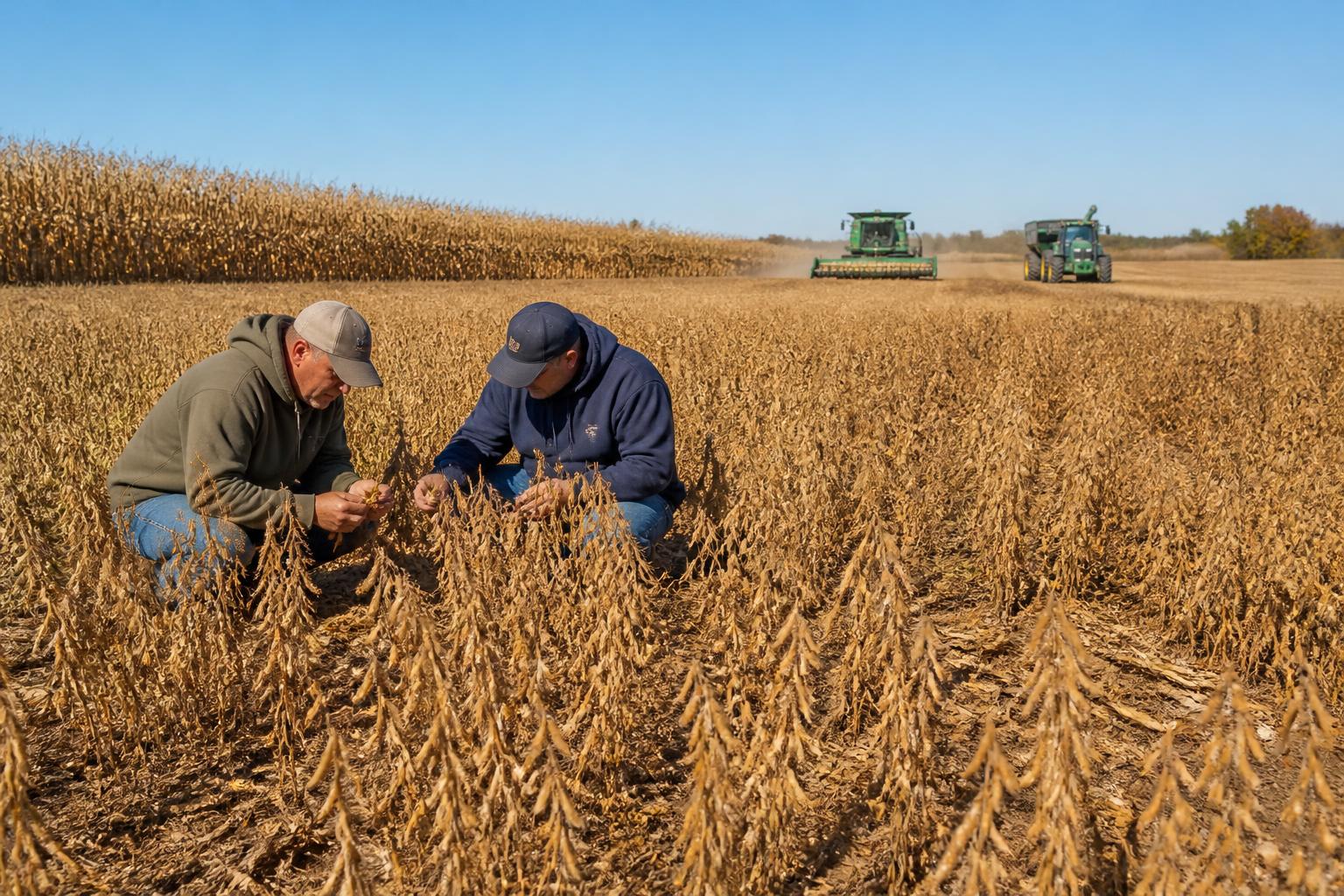
Ohio agriculture is currently navigating a complex mix of seasonal operational demands and emerging management challenges. As harvest activities reach their stride across the state, from the fertile soils of the western plains to the rolling hills in the east, producers are balancing the immediate pressures of field work with the long-term need to protect crop and herd health from evolving threats.
Producers are advised to remain vigilant regarding both established pests and newer concerns that can affect operational efficiency. Specifically, the detection of Red Crown Rot in local soybean fields underscores the importance of ongoing field monitoring. By staying ahead of such developments, growers can better implement early detection strategies that protect yield potential and mitigate long-term soil health impacts.
Protecting Livestock Assets
Beyond crop concerns, the livestock sector in Ohio is facing a distinct set of challenges this fall. Reports of emerging tick-borne diseases in cattle are prompting agricultural extension services to encourage more rigorous herd health monitoring. Maintaining clean pastures and working closely with local veterinarians can help minimize the risk of transmission. Additionally, producers remain focused on industry-wide efforts to manage invasive species and disease vectors, which is critical for maintaining the sustainability of Ohio's pork and cattle sectors.
Market Volatility and Input Management
The current market landscape is further complicated by significant shifts in commodity fund positioning and ongoing global economic headwinds. With corn funds reportedly maintaining record long positions, farmers are increasingly looking toward refined input management to buffer against price fluctuations. Whether evaluating the efficacy of biological inputs or refining nutrient application programs, the focus for many is on precision and cost-effectiveness as the season concludes.
What it means for the market
For Ohio agribusinesses and farmers, the current climate demands a proactive approach to risk management. Successfully navigating this fall requires a dual focus: protecting current assets from new biological threats and maintaining the agility to adjust marketing and input strategies in response to broader market trends. Producers who integrate consistent field surveillance with careful financial planning are better positioned to weather the volatility defining this season.
Comments
No comments yet - be the first to share your take.