
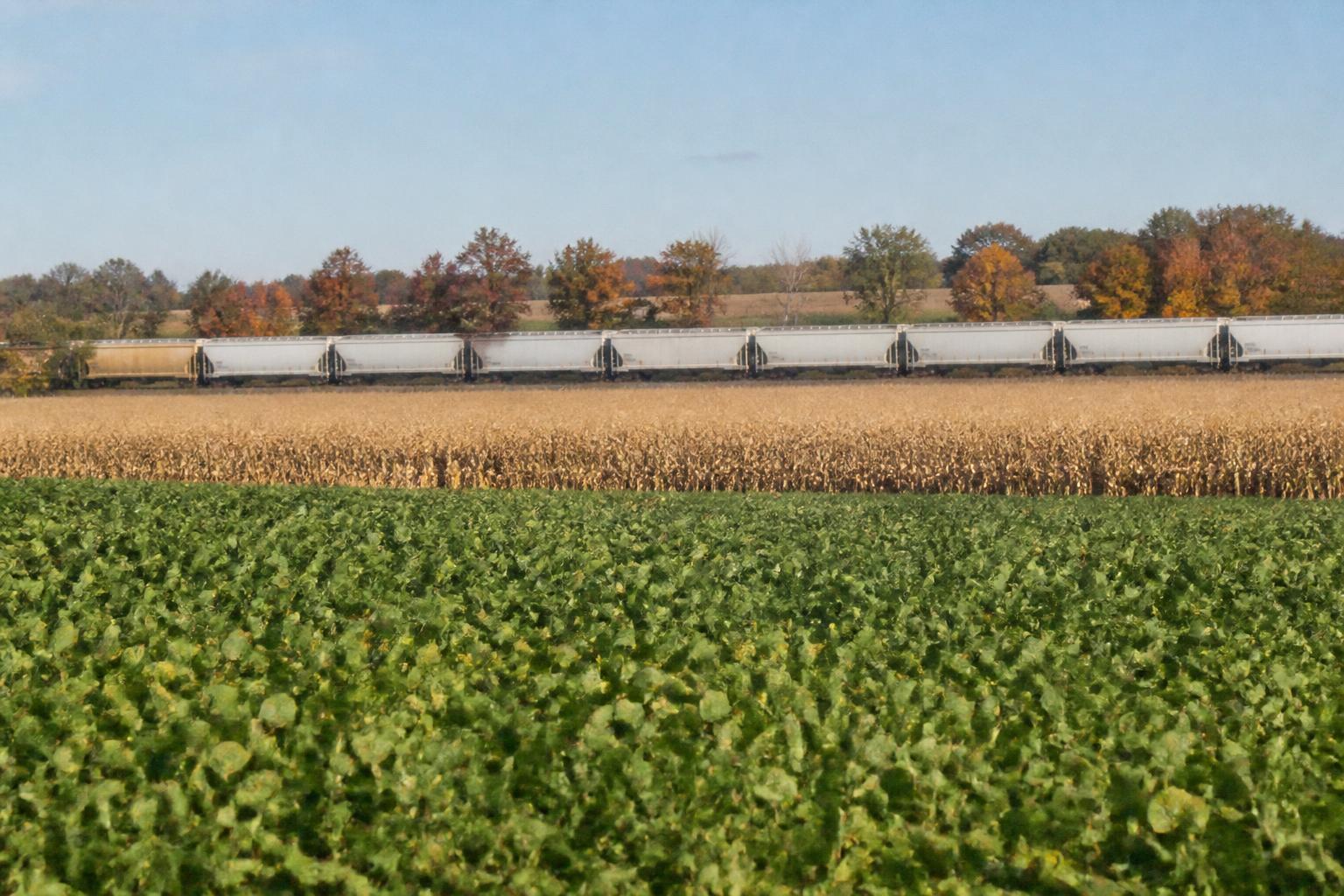
Harvest operations are in full swing across Wisconsin as farmers push to bring in the crop while conditions remain favorable. With seasonal activity peaking, the focus for grain elevators and logistics providers has shifted toward maintaining efficient flow and monitoring the performance of regional rail infrastructure. While recent weather patterns have generally supported field progress, the logistical pressure on downstream handling facilities often increases as volume intensifies during the heart of the season.
For those managing the movement of commodities, staying ahead of potential transit delays is critical. Current market trends indicate that grain elevators must remain vigilant regarding shuttle train cycles and the availability of rail cars. While some volatility exists in national rail data, local grain handlers should prioritize clear communication with carriers to manage expectations regarding car spotting and pick-up windows as terminal activity ramps up across the Midwest.
Managing Throughput and Market Shifts
As harvest volume surges, the ability to maintain steady throughput at elevators becomes a primary challenge. Producers should be aware that when shuttle train turns slow down, localized pressure on storage capacity often builds, which can lead to temporary shifts in basis levels. In some regions, elevators may be forced to manage inventory more tightly until rail equipment is cleared for departure, potentially impacting daily receiving hours or wait times for producers at the pit.
Agribusinesses should also keep a close watch on regional cash values. While global reports reflect a mixed outlook on yield, local conditions in Wisconsin have generally offered a measure of optimism for producers. However, navigating the intersection of physical harvest logistics and shifting market signals requires a proactive approach to grain marketing and inventory storage.
Infrastructure and Future Outlook
Beyond immediate logistical concerns, the long-term health of our transportation network remains a key topic. Producers and input suppliers often find that efficiency gains are realized when infrastructure is optimized for current output levels. Looking ahead, participants in the supply chain should consider how to streamline their own operations, particularly as competition for transportation resources becomes more pronounced during the peak of the fall movement.
Key Takeaways:
- Monitor local elevator capacity and any changes to receiving hours during peak harvest.
- Keep an open dialogue with logistics partners regarding rail car availability and transit timelines.
- Evaluate storage alternatives if regional rail bottlenecks threaten to slow local delivery points.
What it means for the market: As Wisconsin producers push to complete the harvest, the reliability of transportation remains the primary variable in maintaining stable basis levels. By anticipating potential congestion at regional elevators and planning for rail-related delays, agribusinesses can better navigate the complexities of this year's harvest season.
Comments
No comments yet - be the first to share your take.