
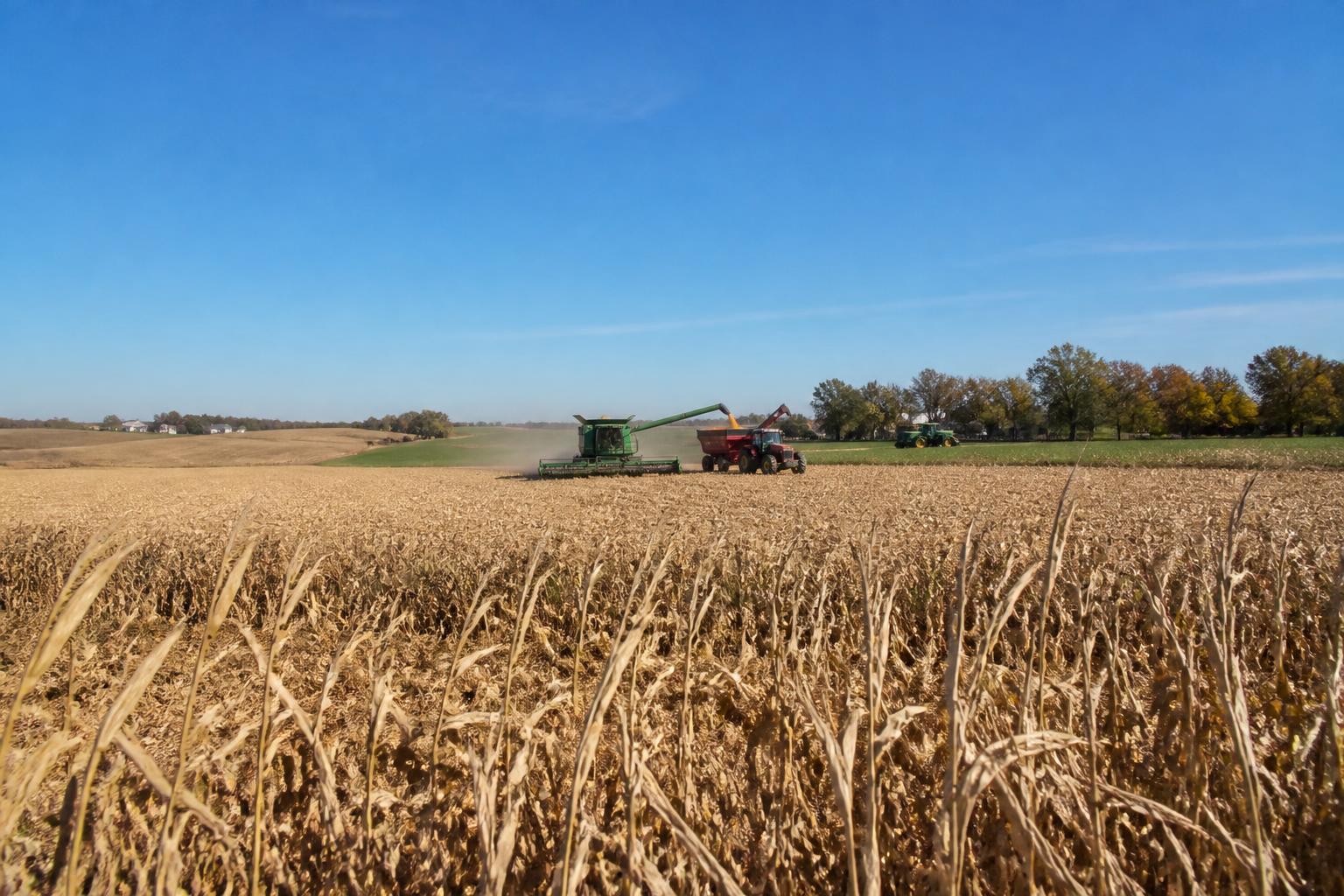
As the fall harvest season hits its stride across South Dakota, producers are reporting a generally productive period. Recent field assessments indicate that a majority of the state's corn and soybean acreage is performing well, with many observers noting yields that have surpassed early-season expectations. Timely moisture throughout the growing season has played a critical role in maintaining crop quality, keeping a high percentage of both corn and soybeans in the good-to-excellent range as combines move through fields from the eastern corridors to the northern plains.
Managing Costs Amidst Peak Activity
While yields provide a positive outlook, the operational side of the harvest is not without its pressures. Producers have noted an increase in diesel prices as the demand for fuel spikes during the peak of harvesting activities. This rise in energy costs can impact the bottom line, requiring careful management of logistical operations and transport strategies to keep efficiency high. For many, this includes maximizing grain elevator capacity and utilizing available, flexible rail access to ensure that crop movement does not bottleneck during these critical weeks.
Regulatory and Market Support
State leadership continues to provide flexibility for the agriculture sector to assist in the smooth transit of commodities during this busy window. Additionally, there is growing optimism within the local industry regarding fuel demand, particularly concerning the potential for year-round E15 availability. Such market developments are being closely watched by corn producers and agribusiness stakeholders alike, as they could provide significant long-term stability for regional grain prices.
What it means for the market
The convergence of stable, high-quality yields and logistical adjustments suggests a robust, if high-cost, harvest season for South Dakota. Farmers who can successfully navigate the current fuel price environment while leveraging available storage and transport options are well-positioned. Looking forward, the focus will likely shift toward post-harvest planning, including the application of new herbicide technologies for upcoming seasons and continued advocacy for biofuels, both of which will remain central to the state's economic resilience.
Comments
No comments yet - be the first to share your take.