
As the fall season reaches its peak in Washington, farmers are contending with a landscape defined by significant financial pressure. Producers are increasingly focused on operational efficiency, with many looking at how to manage the ongoing rise in input costs that have stretched budgets thin. For wheat growers in particular, current market breakeven points have reached levels that force a rigorous evaluation of every acre planted.
The Cost of Efficiency
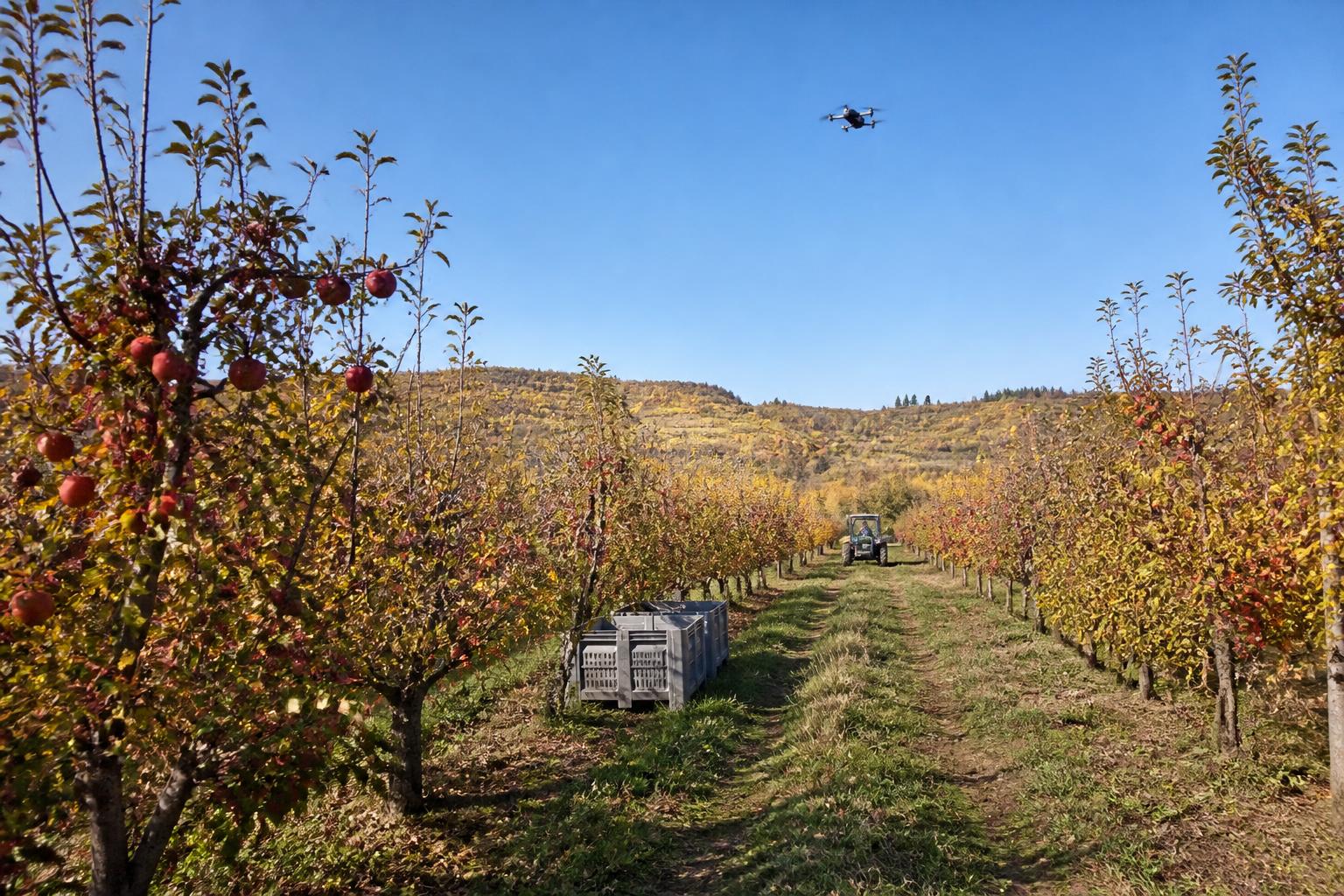
In addition to these fiscal constraints, the agricultural sector is balancing infrastructure needs with the long-term outlook for resource management. While discussions continue around potential improvements to rail freight networks and the movement of goods, logistics remain a persistent variable for operations moving harvest yields toward export terminals. As growers navigate these complexities, there is a clear shift toward adopting smarter technologies, from drone-based crop monitoring in apple orchards to the anticipation of future robotics testing sites in the state.
Adapting to a Changing Climate
Water-use efficiency remains a critical pillar of long-term viability. As Washington producers monitor soil moisture levels, the industry is looking at ways to integrate precision tools that help maintain productivity without overextending resources. Whether managing specific crop threats like viral outbreaks in regional fruit production or optimizing herbicide applications, the focus remains on stabilizing margins through a combination of traditional farming expertise and emerging digital solutions.
Key Takeaways
- Input costs continue to challenge the financial sustainability of many farming operations.
- Infrastructure and logistics remain top-of-mind for timely harvest delivery.
- New investments in precision technology and robotics are being viewed as potential buffers against rising production overhead.
What it means for the market: The current environment necessitates a highly disciplined approach to resource allocation. For grain handlers and input suppliers, this translates to a heightened demand for cost-effective solutions and reliable, transparent data. As the season progresses, regional agribusinesses that can support producers in lowering their breakeven costs will likely see the most sustained engagement.
Comments
No comments yet - be the first to share your take.