
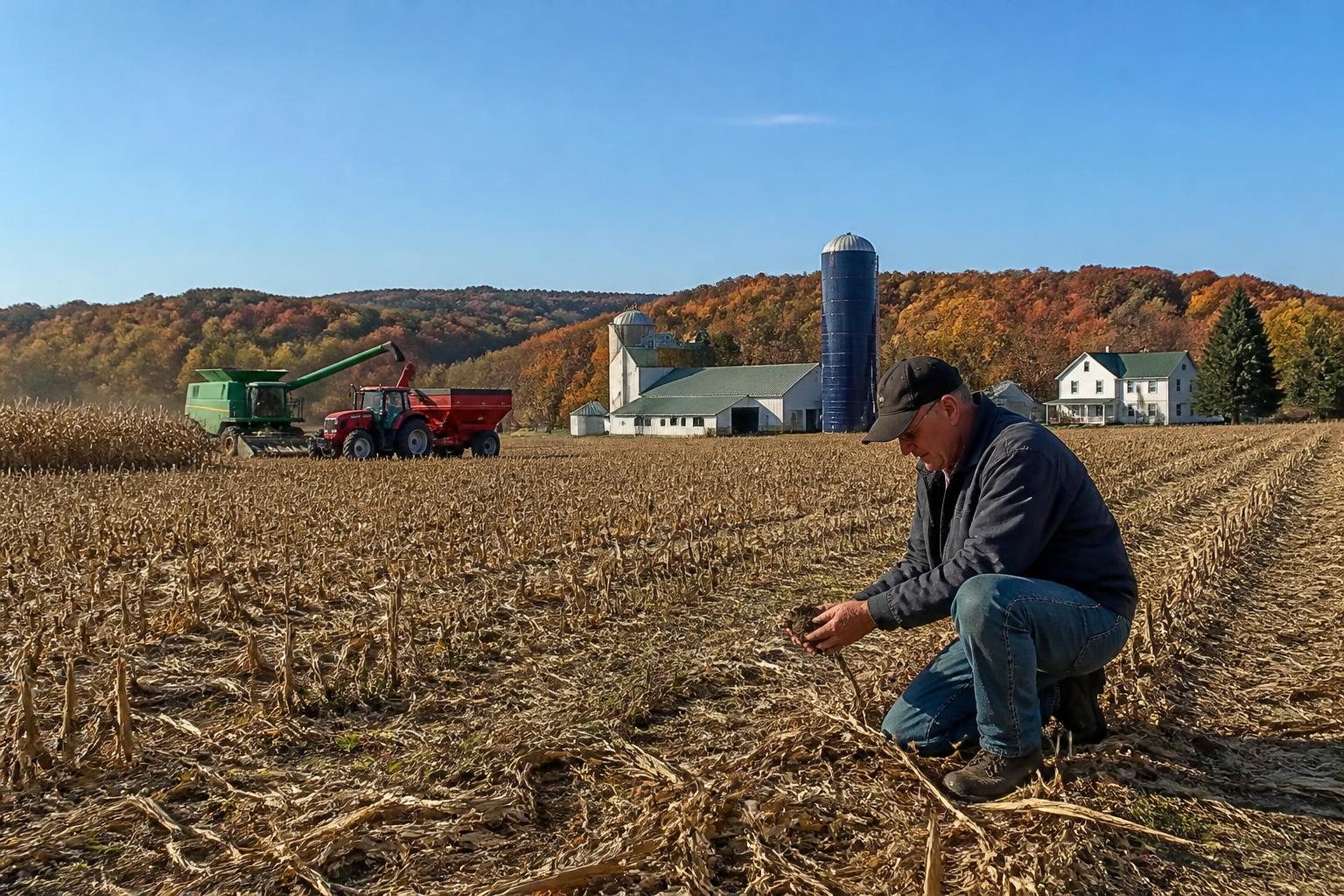
Optimizing Flow in a Busy Season
For many Wisconsin producers, the October window marks a critical push to move fall crops efficiently. As harvest activity peaks, the demand for reliable grain logistics and shuttle turn management becomes a top priority. Whether navigating local elevator lines or preparing for longer hauls toward port terminals, maintaining steady throughput remains the baseline for protecting margins during this high-volume period.
Aligning Local Operations with Broader Market Pressures
While regional operations hum along, grain handlers are often monitoring the broader landscape of basis levels and transport availability. In some parts of the state, managing internal grain movement involves balancing on-farm storage constraints against the availability of commercial freight services. As producers continue to evaluate market pressures and input cost considerations, the agility to pivot between transport modes or storage options can prove vital when regional congestion occurs.
The Role of Infrastructure and Strategic Planning
Infrastructure remains a cornerstone of Wisconsin agricultural competitiveness. From the upgrades at key inland hubs to the ongoing development projects at Port Milwaukee, the state’s logistical backbone is designed to handle the seasonal surge. For agribusinesses and carriers, this means that tracking terminal capacity in real-time is often as important as the harvest progress itself. By aligning farm-gate activity with terminal throughput, producers can minimize time spent waiting in queues and improve overall load-out efficiency.
What it means for the market
Proactive communication with elevator managers and freight partners continues to be the most effective way to navigate the mid-harvest crunch. As the season progresses, maintaining flexible scheduling and clear expectations regarding delivery windows may help reduce the friction that typically emerges when terminal volume peaks. Focusing on these logistical touchpoints allows producers to stay centered on yield capture while keeping a steady hand on the movement of their grain to market.
Comments
No comments yet - be the first to share your take.