
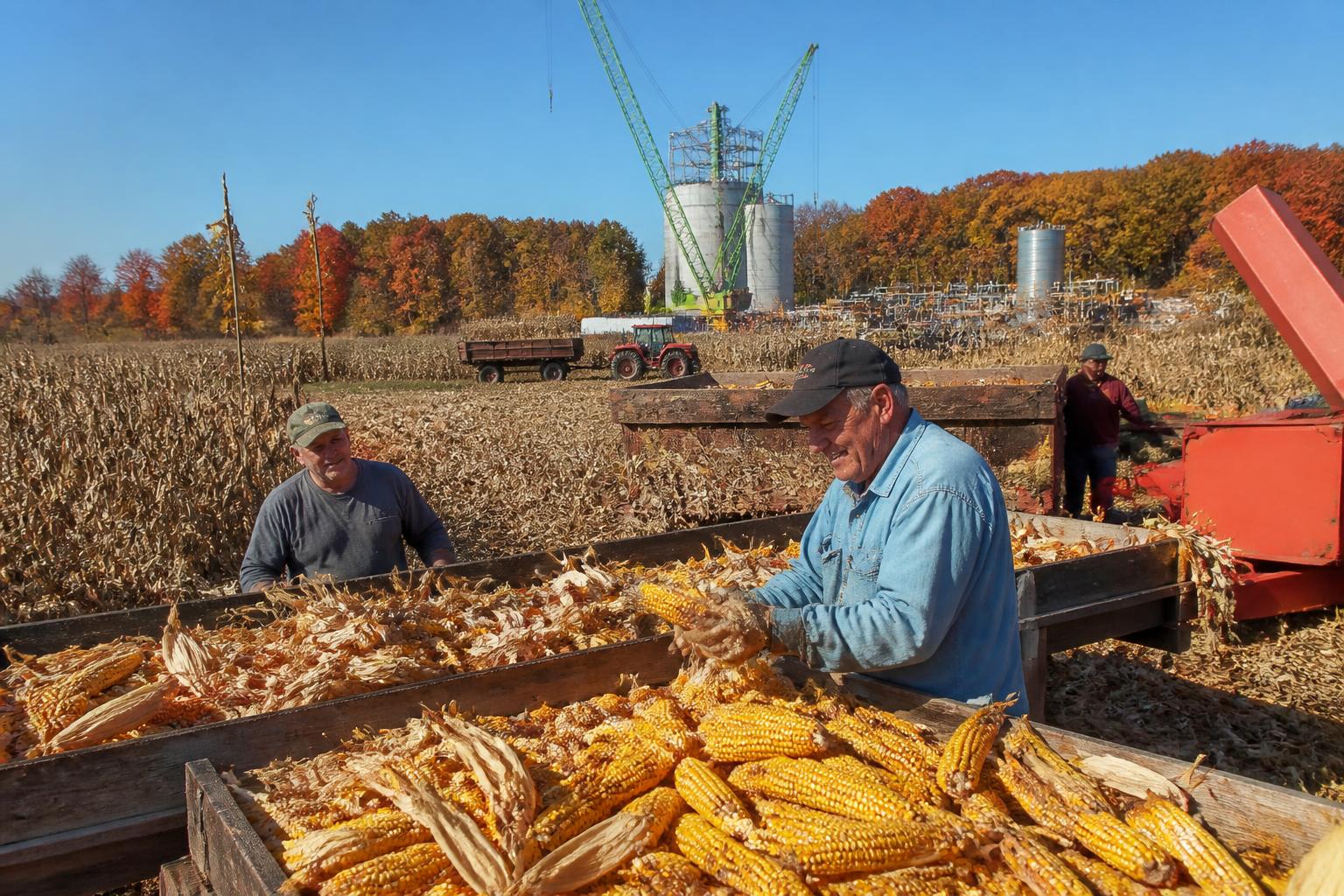
Missouri agricultural producers are navigating a critical phase as harvest operations progress throughout the state. Early reports indicate that corn yields have shown strength, providing a welcome boost to farm gate outlooks. However, the economic reality remains complex, with many farmers closely monitoring low commodity prices and high input costs that continue to compress margins. For those looking to streamline operations, managing crop protection and nutrient application has become a focal point for protecting the bottom line.
Strategic Nutrient Management
With fertilizer prices remaining a primary concern for Missouri operations, many producers are exploring more flexible application schedules. Extension specialists have suggested that farmers might consider delaying the application of phosphate and potassium to manage immediate cash flow, potentially easing the financial burden during this volatile harvest cycle. This tactical approach is gaining traction in various parts of the state as growers look to prioritize capital allocation for more pressing seasonal needs.
Infrastructure and Market Access
Beyond the field, the supporting infrastructure for regional producers is undergoing subtle shifts. Recent developments in the Mid-Ozark region, including new fertilizer handling facilities, aim to improve speed and overall supply reliability. For grain handlers and transport carriers, these improvements may offer a long-term advantage in reducing lag times during the peak fall rush. Such logistical efficiencies are increasingly vital, especially as producers continue to advocate for broader agricultural support and improved transportation policies that facilitate smoother farm-to-market transitions.
What it means for the market
The current environment in Missouri requires a dual focus on yield maximization and cost discipline. While robust early harvests provide a necessary foundation, the persistent challenge of high input costs means that the most resilient operations will likely be those that optimize fertilizer use and leverage updated regional logistics infrastructure. As the season progresses, market participants should keep a close eye on how these localized adjustments in procurement and supply chain speed influence overall regional agricultural competitiveness.
Comments
No comments yet - be the first to share your take.