
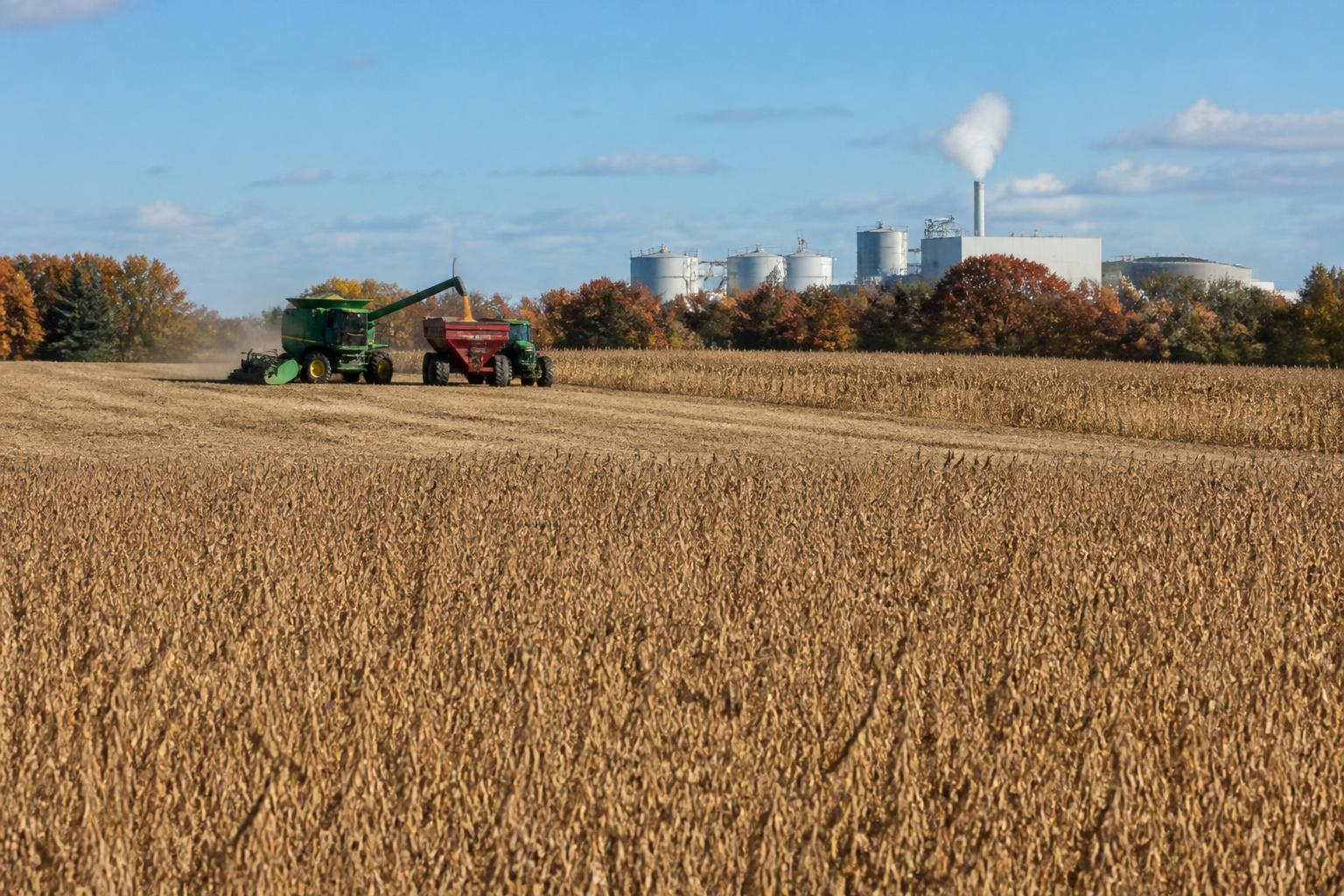
With the Minnesota harvest moving through its critical fall window, the majority of the state's corn crop continues to show strong development, with high percentages recently rated in good to excellent condition. As grain moisture levels decline and fields become more accessible, producers are balancing the immediate demands of the season with long-term financial risk management.
Successfully moving this season's yield remains a top priority for local logistics networks. For insights on how regional elevators are managing these flow patterns and the potential bottlenecks affecting local transport, see our latest analysis on Minnesota's fall logistics.
Input Market Volatility
Beyond the field, the conversation among Minnesota agribusinesses is increasingly focused on input security. Recent international developments, including concerns regarding the Strait of Hormuz and ongoing pressure from phosphate fertilizer tariffs, have left many growers uneasy about future cost structures. For many producers, these supply chain vulnerabilities serve as a reminder of why monitoring input pricing and availability is essential during the post-harvest planning phase.
Protecting the Bottom Line
As harvest reaches its peak intensity, many operations are evaluating their risk protection strategies. Legislative discussions, such as those surrounding the FARMER Act, underscore the importance of robust crop insurance to shield against weather-related yield loss or market volatility. While high ratings for current crops provide a sense of stability, the unpredictability of input costs and global supply chain disruptions suggests that conservative financial planning remains a prudent approach for the upcoming season.
Key Takeaways
- Corn and soybean maturity is advancing, with many operations nearing the final stages of the harvest cycle.
- Input costs, particularly for fertilizers, remain a leading concern for farmers preparing for the next planting season.
- Logistics networks are under heavy use; producers should coordinate early with local elevators and transport providers to manage grain storage effectively.
What it means for the market: The combination of strong harvest progress and looming global supply risks means Minnesota farmers are likely to prioritize input procurement and risk protection as they close out the current production cycle. Producers should maintain close contact with local suppliers and advisors to navigate potential volatility in fertilizer markets while ensuring their harvest logistics remain on track.
Comments
No comments yet - be the first to share your take.