
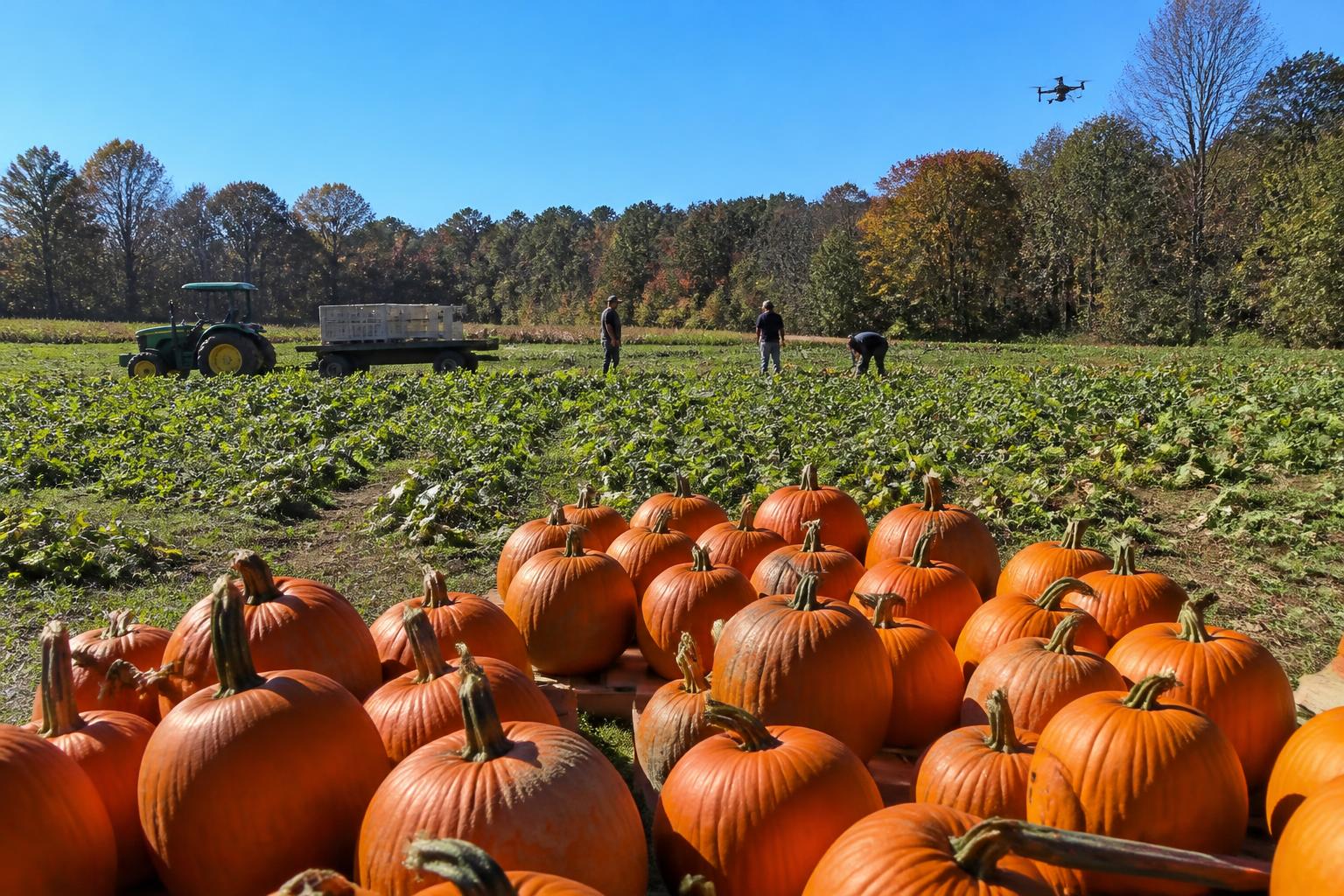
As the state enters the heart of the fall season, the Georgia agricultural sector continues to balance intense harvest-time logistical demands with broader infrastructure developments. Growers and grain handlers are keeping a close watch on regional transportation corridors, where the intersection of seasonal crop movement and ongoing industrial growth often shapes local supply chain efficiency.
For those managing the flow of commodities to global markets, current trends highlight the importance of staying informed on navigating evolving infrastructure and regional flow. With the Port of Savannah maintaining high activity levels, the pressure on regional trucking and rail connectivity remains a critical factor for producers aiming to maintain export margins during these busier months.
Infrastructure and Operational Considerations
The state's transport landscape is frequently impacted by both seasonal cycles and long-term capital investments. As logistics hubs continue to expand in industrial corridors, farmers may notice shifts in local traffic patterns or rail scheduling. Efficient planning remains the primary tool for minimizing detention times at facilities, especially as regional throughput volume fluctuates.
While infrastructure investment often promises better long-term connectivity, the current reality for many agribusinesses involves managing immediate bottlenecks. Maintaining open communication with carriers and regional terminals remains a standard best practice to ensure that shipments—ranging from traditional grain commodities to specialized agricultural inputs—proceed without significant disruption.
What it means for the market
For Georgia farmers and agribusinesses, the current logistical environment necessitates a proactive approach to transport scheduling. With the interplay between high port volumes and agricultural output, securing transport capacity early in the harvest cycle continues to be a strategic priority. Market participants who remain agile and well-connected to their local freight partners are generally better positioned to mitigate the risks associated with the inevitable peak-season congestion.
Comments
No comments yet - be the first to share your take.