
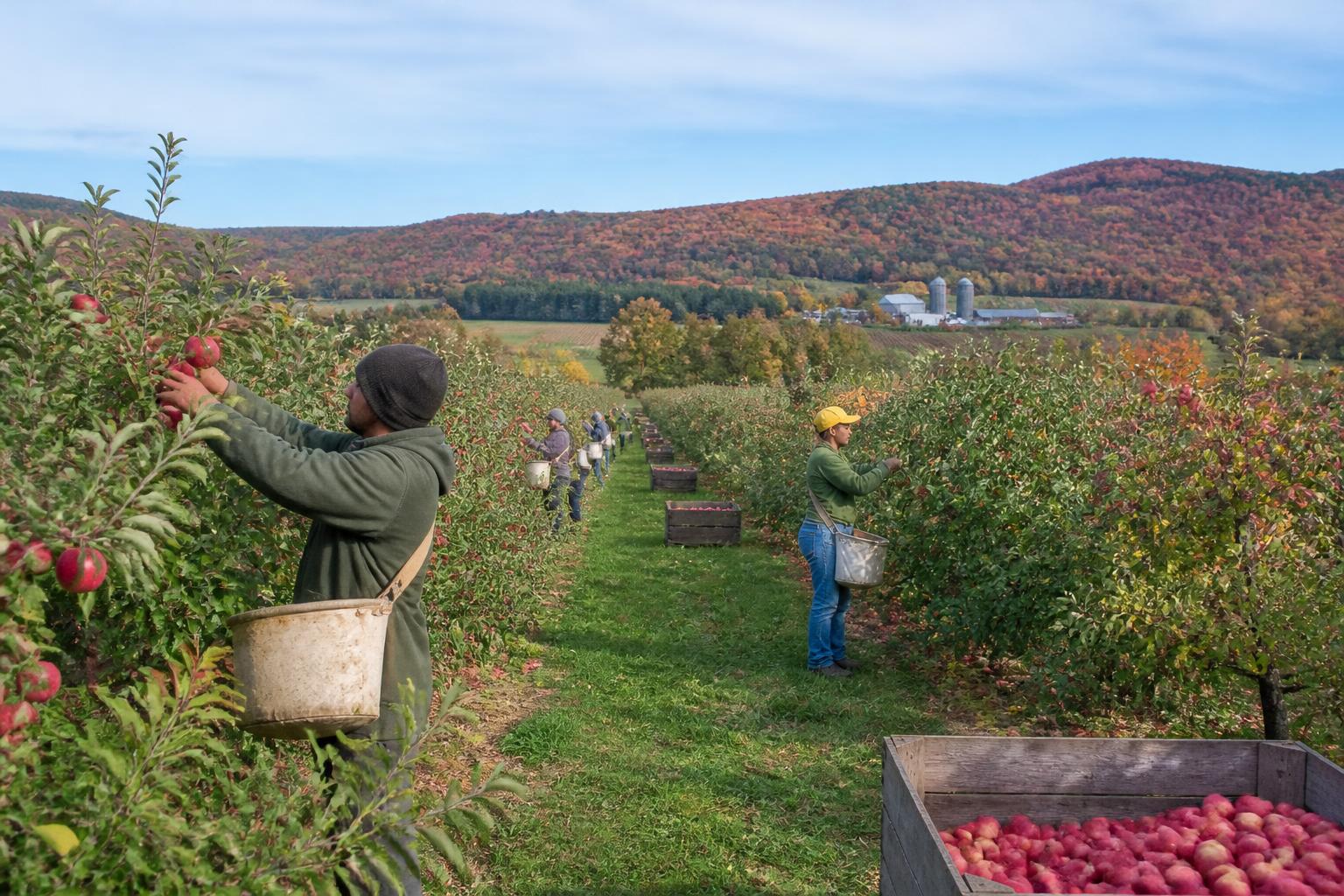
As the fall harvest season continues across New York, the focus among local producers has shifted toward balancing immediate logistics with long-term strategic planning. Recent infusions of state-level funding, totaling nearly $50 million, are targeting the preservation of critical farmland across various regions, including the productive soils of the Finger Lakes. By shielding these acres from development, the state is creating a more predictable land-use environment, which serves as a cornerstone for farm businesses looking to scale operations or pass land to the next generation.
Securing a Future for New York Producers
The allocation of these funds is not merely about conservation; it is an economic signal for the broader industry. When farmland is permanently protected, it often provides operators with a clearer path to manage future capital investments, such as upgrading equipment or expanding facilities. As farmers look ahead toward the 2027 production cycle, having a secured land base may help mitigate some of the uncertainty surrounding land availability and long-term asset value, even while commodity market pressures remain a focal point for producers managing input costs and supply chain flux.
Integrating Sustainability into Market Operations
Beyond land security, the broader agricultural sector in New York continues to adapt through diverse business models. From regional direct-to-consumer networks to large-scale commodity production, growers are finding that market resilience often starts with infrastructure. As new members join industry networks and organizations like the EMDA, the collaborative approach to machinery, technology, and soil health management is gaining traction. This strengthening network is vital as the state promotes its agricultural goods through initiatives like the statewide 'Big Apple Crunch,' which helps connect urban demand with local production capacity.
What it means for the market
For grain handlers, input suppliers, and agricultural logistics providers, these developments represent a commitment to keeping land in active production, which supports consistent seasonal volume. While global market fluctuations—such as recent shifts in canola and corn pricing—continue to impact immediate margins, the stability offered by state-backed land preservation programs provides a foundational layer of security. Stakeholders should continue to monitor how these protected acres are utilized, as they are likely to remain key drivers of local production output and downstream supply chain demand in the coming years.
Comments
No comments yet - be the first to share your take.