
Market Performance and Harvest Progress
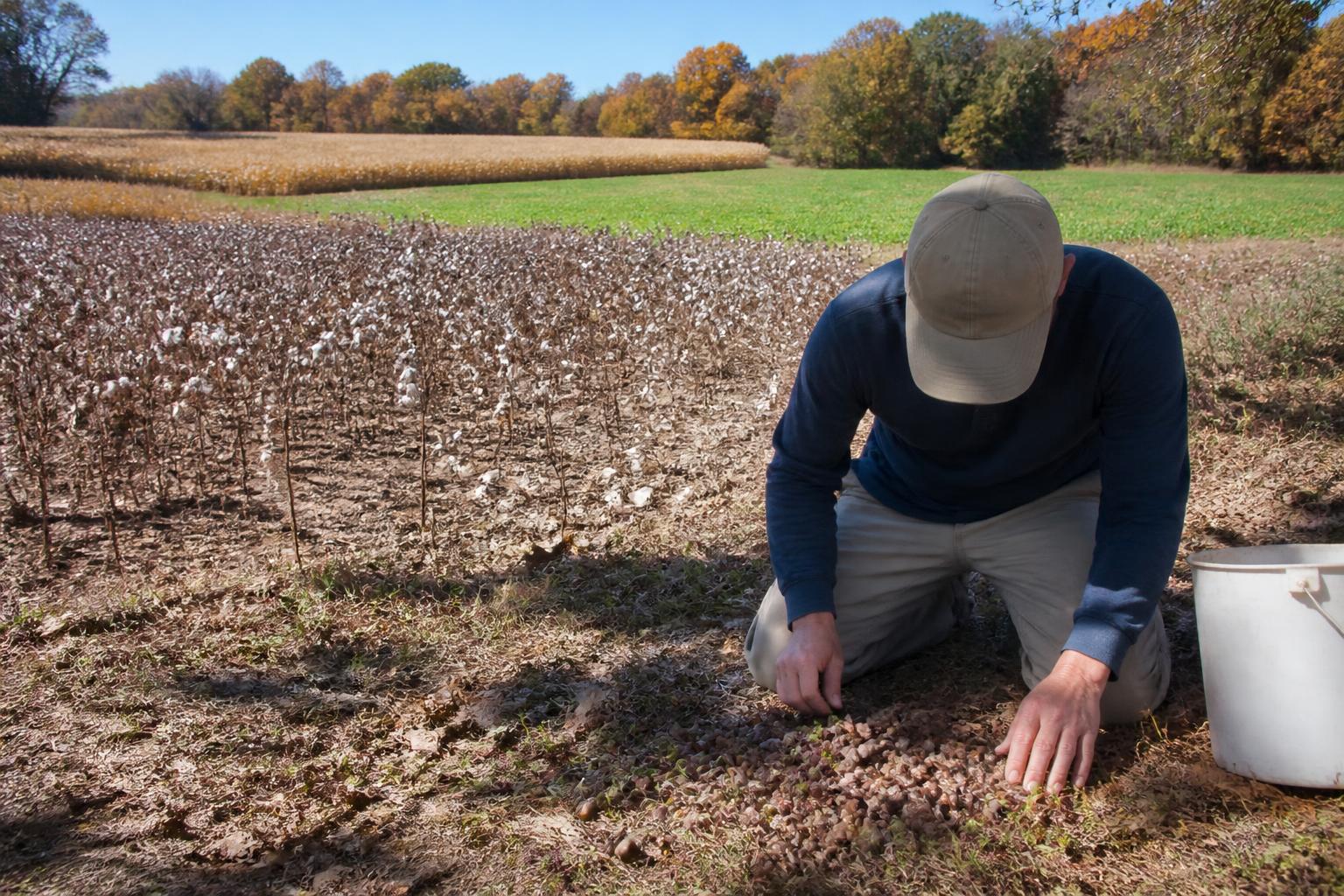
Tennessee agriculture continues to demonstrate resilience this fall, with producers navigating a season marked by robust crop performance. Recent reporting indicates strong ratings for major commodities, with soybeans and cotton seeing a significant portion of acreage rated in good to excellent condition. These favorable outcomes, supported by timely late-season rains, have provided a critical boost to many producers across the state.
For those focused on row crops, particularly corn, the season has resulted in notable productivity gains. Some growers have reported record-breaking yields, a testament to effective management practices and favorable environmental conditions throughout the growing cycle. However, these gains are being weighed against the harsh reality of production expenses, which remain a primary concern for the upcoming planning cycle.
Managing Economic and Operational Variables
While field results have been largely positive, the broader economic landscape remains complex. Input availability and pricing continue to be central topics at the elevator and in the shop. Concerns regarding global supply chain stability have left many farmers cautious about securing future fertilizer and chemical supplies. As noted in recent analysis on Tennessee's fall harvest environment, managing these cost pressures is vital for protecting bottom lines as producers transition toward winter operations.
Beyond immediate crop management, the state continues to foster long-term agricultural stability through collaborative research. Recent initiatives involving the University of Tennessee, Knoxville, alongside federal logistics entities, underscore a commitment to improving the resilience of agricultural infrastructure and resource management. These projects are increasingly relevant as producers look for ways to optimize every acre in a shifting global market.
What it means for the market
The combination of high yields and persistent input costs suggests a narrowing margin environment for the coming year. Producers should prioritize finalizing harvest logistics and evaluating pre-buy opportunities for inputs to mitigate potential supply chain disruptions. While current crop health is a positive indicator for overall volume, the economic success of the season will likely depend on the strategic management of operating expenses throughout the off-season.
Comments
No comments yet - be the first to share your take.