
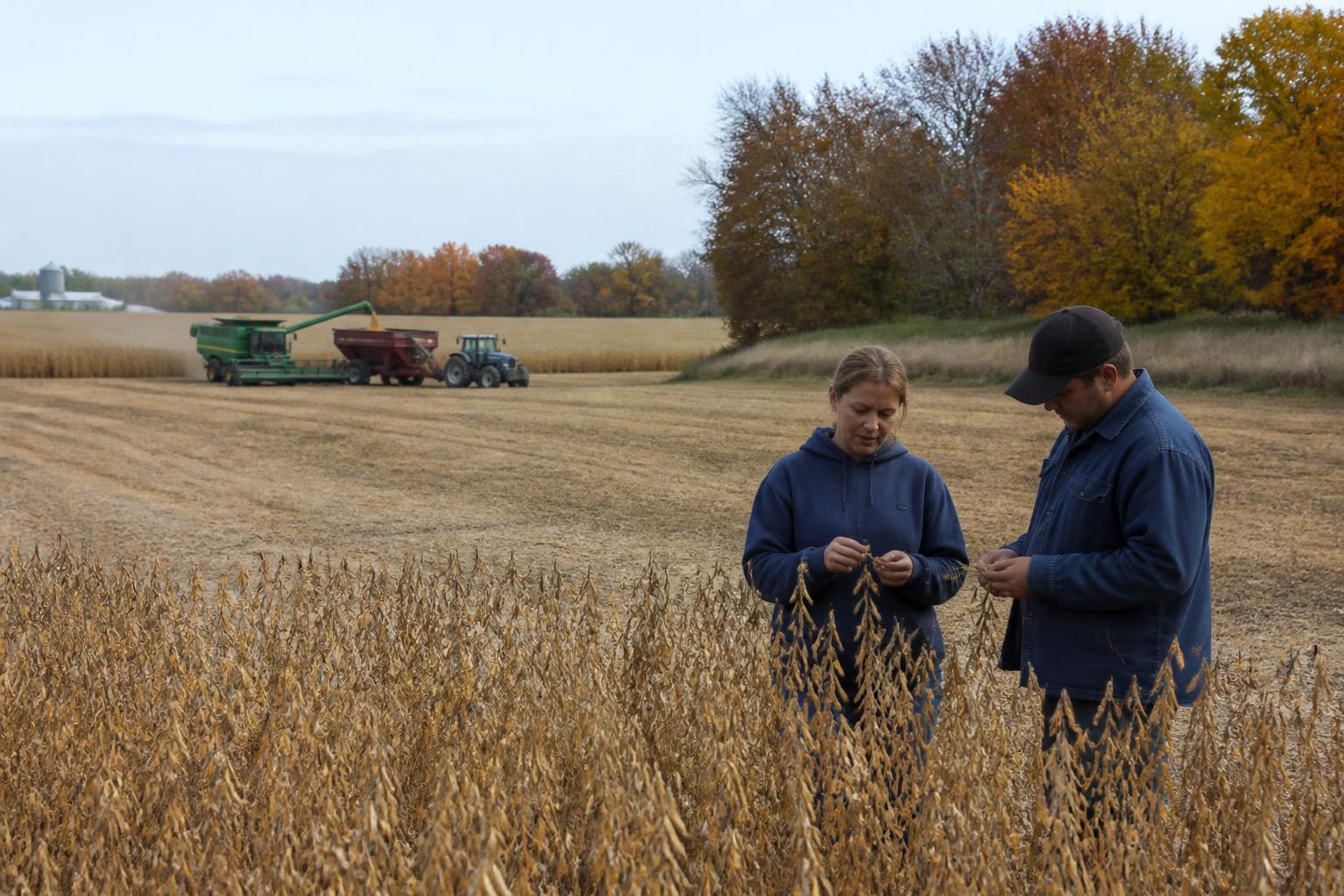
The Alabama agricultural landscape is entering a period of strategic transition this fall. Recent announcements regarding the consolidation of several major agronomy businesses into a unified, multi-state venture based in Decatur signal a shift in how inputs and support services may be delivered to growers across the region. For local operators, these changes in the supply chain often mean a re-evaluation of long-term partnerships and procurement strategies as the industry looks to streamline efficiency ahead of the next planting cycle.
Adapting to a Shifting Operational Environment
Beyond supply chain consolidation, Alabama farmers are managing a variety of external pressures that influence decision-making during the harvest season. From the ongoing efforts to adapt to evolving environmental and operational requirements to the practical realities of land management, the focus remains on resilience. Producers are increasingly utilizing resources from extension services to navigate regulatory changes, which remains critical as the industry works to maintain productivity in a changing policy climate.
Resource Management and Risk Mitigation
Water security and land health continue to be central topics for Alabama producers. As we move through the final stages of the fall harvest, maintaining the integrity of farm assets is a priority. This includes ongoing vigilance against long-standing regional challenges, such as feral swine populations, which continue to demand both time and investment from landowners. Additionally, the broader discussions around labor availability and the future of federal agricultural support programs keep many operators in a state of cautious planning for the upcoming year.
What it means for the market
For grain handlers and agribusinesses, the integration of regional agronomy leaders suggests a move toward more centralized service models. Producers should monitor how these changes affect local input pricing and technical support availability. While consolidation can offer improved logistical efficiency, it is vital for farmers to maintain close contact with their local representatives to ensure that service levels remain consistent with the unique needs of their operations in Alabama's diverse farming counties.
Comments
No comments yet - be the first to share your take.