
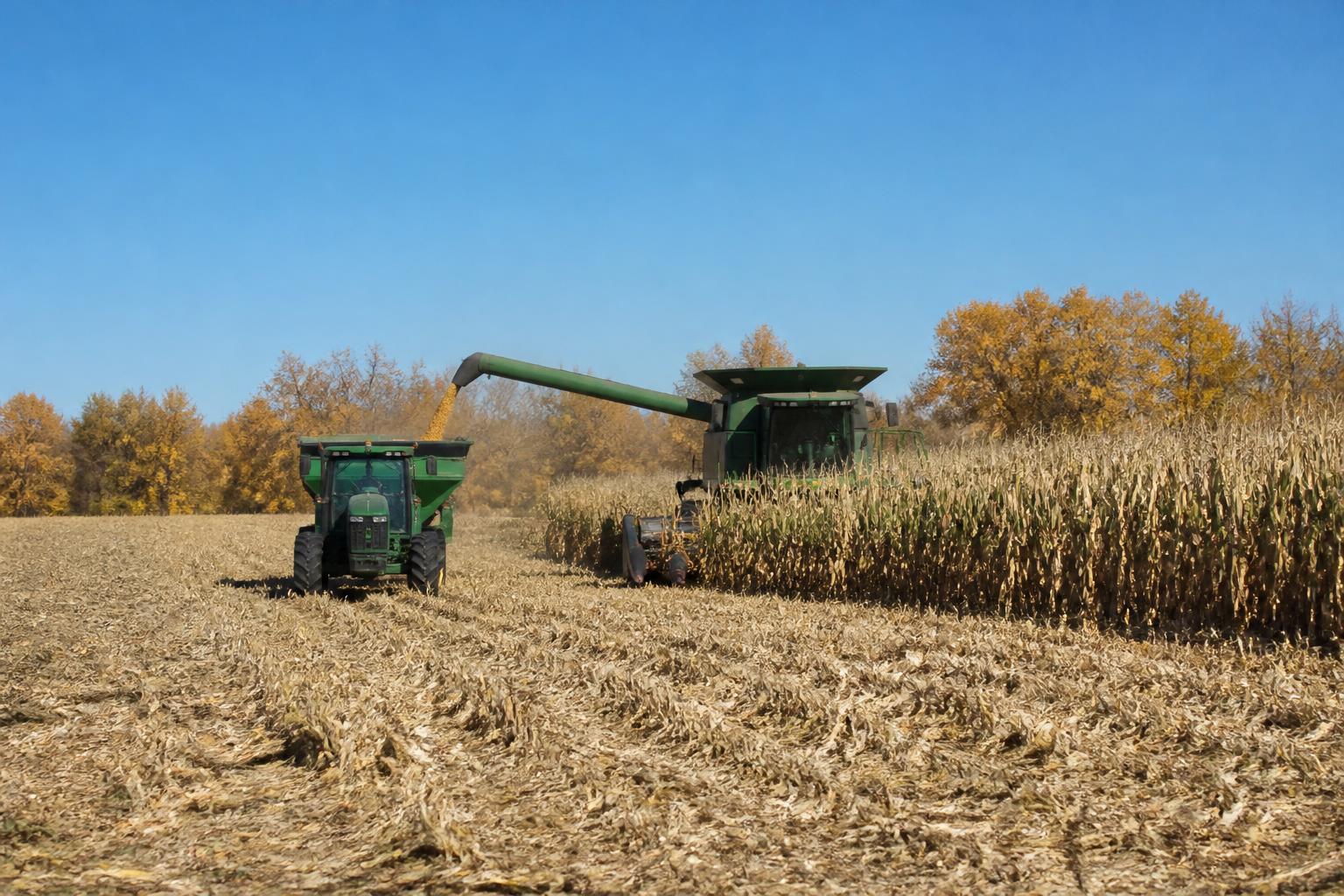
As the fall harvest season progresses, Arizona's agricultural sector continues to grapple with a complex landscape of operational pressures. For growers and transport providers in regions like Yuma and Pinal County, maintaining efficient transit remains a moving target. Current reports indicate that key ports of entry are experiencing persistent infrastructure and staffing challenges, which can create bottlenecks for those moving perishable commodities across the border.
Managing Supply Chain Efficiency
The state's logistics network often relies on seamless coordination to keep produce moving toward its final destination. When staffing levels at critical transit points fluctuate, it can lead to increased wait times, affecting the overall cost and quality of goods. For grain handlers and those involved in input logistics, these delays often add layers of difficulty to standard scheduling. Understanding these dynamics is essential for any Arizona-based logistics provider looking to keep cargo moving during peak periods.
Adapting to Market Pressures
Beyond logistics, Arizona farmers are also contending with broader economic factors, including the impact of trade policies and rising input costs. These external pressures force operations to seek greater efficiencies wherever possible, whether through the adoption of new crop protection tools or by refining transportation routes. Staying ahead of these changes requires a focus on both regional infrastructure developments and national trade shifts that directly touch the farm gate.
What it means for the market: For Arizona agribusinesses, the current environment demands a high degree of operational flexibility. Given the ongoing strain on infrastructure and the volatility in cost structures, producers should prioritize contingency planning in their transport schedules and maintain close communication with regional distributors to navigate potential delays effectively.
Comments
No comments yet - be the first to share your take.