
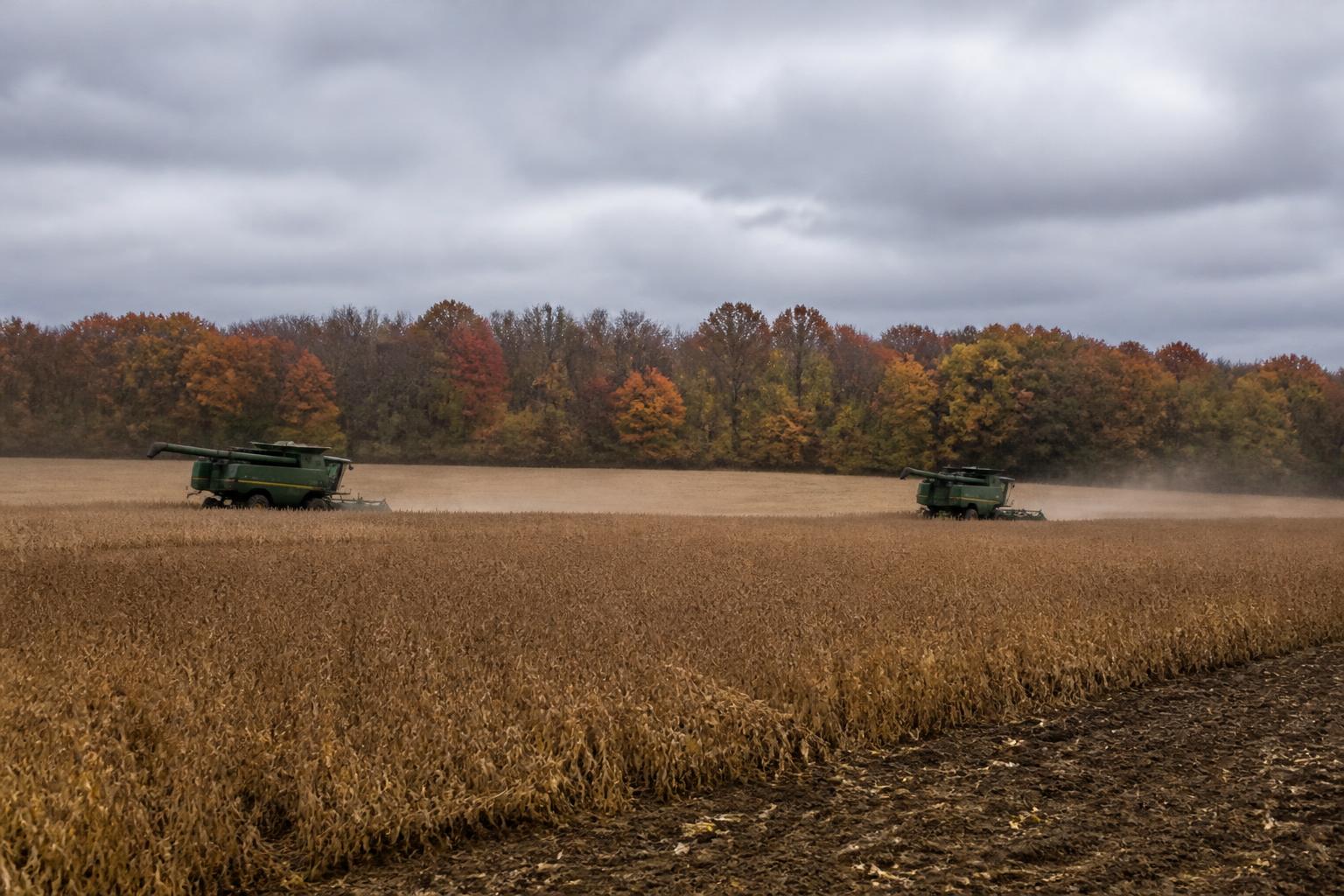
For many Ohio producers, the fall harvest is currently defined by the balancing act of navigating variable soil moisture levels and optimizing logistics. As combines move through fields across the state, recent weather patterns have presented a complex environment, where timely field access remains critical to maintaining pace and preserving crop quality. Managing the intersection of wet soil conditions and the necessity of efficient grain movement continues to be a central focus for operators during this busy season.
Effective risk management remains a top priority for agribusinesses and individual producers alike as they address these seasonal hurdles. Understanding the nuances of land management and protecting valuable farm assets is essential when dealing with unpredictable weather cycles. For more insights on safeguarding your operations during volatile times, see our guide on protecting farm assets and managing market volatility in Ohio.
Adapting to Field and Logistical Realities
The current harvest climate highlights the importance of leveraging regional data. Tools like the Ohio Mesonet are increasingly serving as resources for farmers attempting to navigate weather extremes and the resulting field conditions. By utilizing granular, real-time data, operators can make more informed decisions about when to engage machinery without risking severe soil compaction or equipment stress.
Beyond the field, local infrastructure remains a key point of discussion. Concerns regarding road projects and regional connectivity continue to influence how grain is transported from the farm gate to elevators. For many, these logistical considerations are just as influential as the fluctuating market prices for corn and soybeans, necessitating a proactive approach to transport planning throughout the autumn months.
Strategic Asset Protection
As the season nears its conclusion, maintaining clear lines of communication regarding property and trespasser laws can help avoid unnecessary friction. Whether it is addressing concerns about input costs or coordinating with local transportation networks, the ability to adapt to changing variables is what separates successful operations. As farm numbers in the state show resilience, the focus shifts toward sustainable practices that protect both the yield potential and the underlying soil health of Ohio farmland.
What it means for the market
For farmers and handlers, the current environment demands high operational flexibility. With harvest timing contingent on regional weather patterns, prioritizing grain storage capacity and efficient logistics will remain the primary drivers of profitability as the state moves deeper into the fall months.
Comments
No comments yet - be the first to share your take.